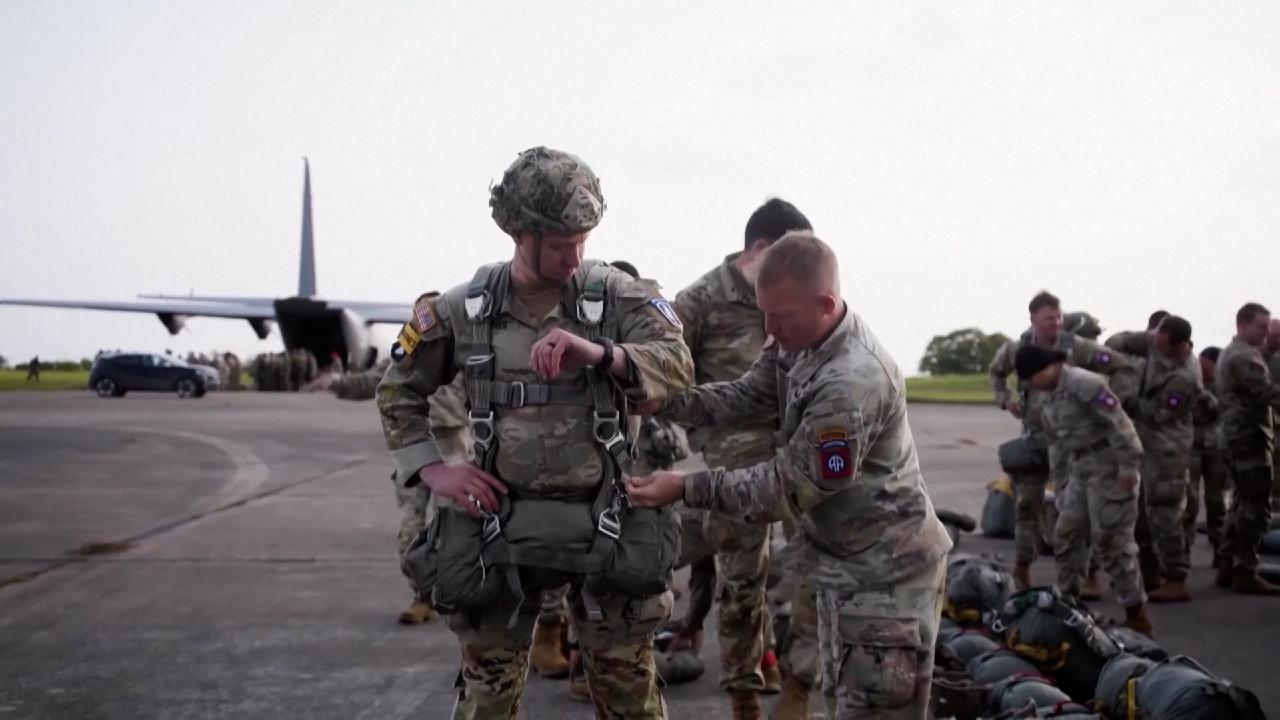
The Trump administration is set to deploy additional troops in the Middle East amid rising opposition within the United States. This decision comes at a sensitive time as the conflict with Iran enters its fifth week, raising questions about the military and political implications of this move.
According to informed sources, the U.S. administration is considering options for troop deployment in light of escalating tensions in the region, especially following recent attacks targeting American interests. This move comes at a time when public opinion in the U.S. is divided over military intervention in the Middle East.
Details of the Deployment
Reports indicate that the Trump administration may take concrete steps to deploy additional military units in Gulf countries, focusing on enhancing its military presence to counter increasing Iranian threats. Military movements have been observed at U.S. bases in the region, reflecting a growing readiness to confront any potential escalation.
These steps come amid rising tensions between the U.S. and Iran, with both countries exchanging accusations regarding support for armed groups in the region. There are also concerns that any military escalation could lead to a widespread conflict that might drag other countries into the fray.
Background & Context
Historically, relations between the United States and Iran have been tense since the Islamic Revolution in 1979. These relations have escalated in recent years, particularly after the U.S. withdrawal from the Iranian nuclear deal in 2018. Since then, Washington has imposed stringent economic sanctions on Tehran, further heightening tensions.
In recent years, the region has witnessed numerous armed conflicts, including the wars in Syria and Yemen, where Iran plays a key role in supporting armed groups. This complex situation makes it challenging for the United States to make clear strategic decisions without affecting the stability of the region.
Impact & Consequences
The increase of American troops in the Middle East could escalate tensions with Iran, potentially negatively impacting regional security. This move may also provoke reactions from Iran's allies in the region, increasing the likelihood of new conflicts.
Moreover, this decision may face opposition within the United States, as many politicians and citizens express concern over military involvement in new conflicts. This could affect the popularity of the Trump administration and increase political pressure on it.
Regional Significance
Arab countries neighboring Iran and the United States find themselves in a precarious position, as they are directly affected by any military escalation. Gulf countries, such as Saudi Arabia and the UAE, may find themselves in a difficult situation if tensions escalate further.
It is crucial for Arab countries to remain vigilant and work on strengthening their internal stability and unity to face any negative repercussions that may arise from the U.S.-Iran conflict. These countries should also seek diplomatic solutions to avoid any military escalation that could lead to catastrophic consequences for the region.