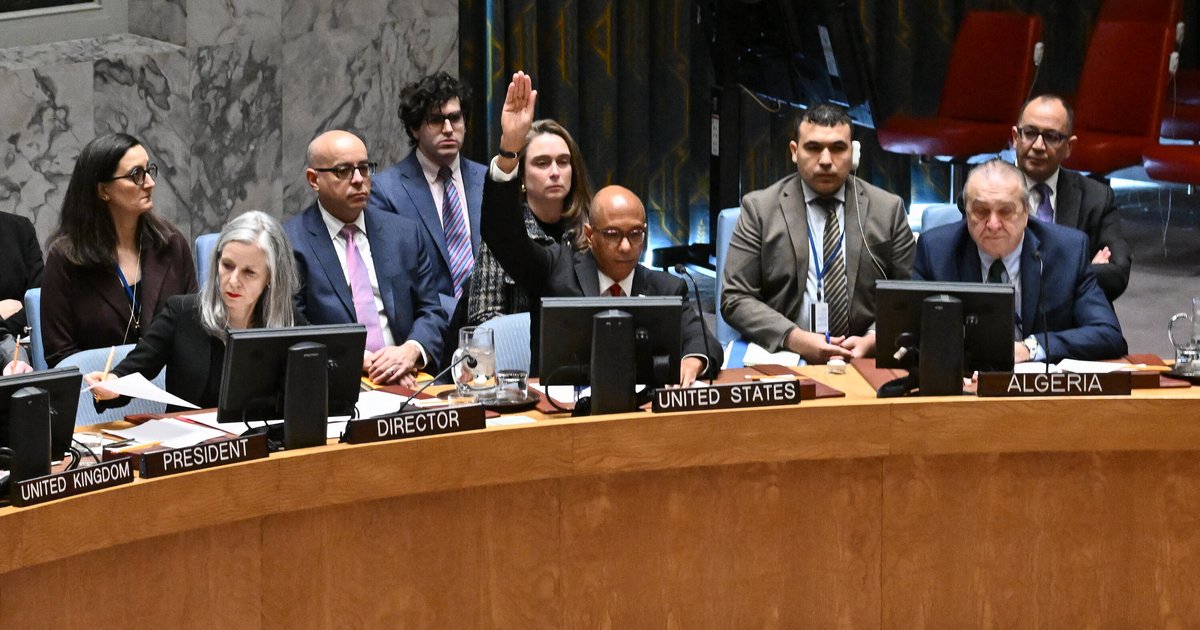
The United States of America has unveiled a comprehensive plan consisting of 15 points for a ceasefire with Iran, in an effort to alleviate the escalating tensions in the region. This step comes amid a notable escalation in relations between Washington and Tehran, raising concerns about the outbreak of armed conflict in the Middle East.
The American plan includes a series of measures aimed at enhancing security and stability in the region, including calls for de-escalation of military activities and activating dialogue channels between the two sides. This initiative was presented during recent diplomatic talks between American officials and their Iranian counterparts.
Details of the Initiative
The plan encompasses 15 key points that include commitments from both sides to halt hostile military activities and establish mechanisms for direct communication to avoid any misunderstandings that could lead to escalation. Additionally, the plan calls on the international community to play a role in supporting peace efforts.
This initiative follows a series of tense events, including reciprocal attacks between Iranian forces and American troops in the region. American officials have indicated that this plan represents a new opportunity to rebuild trust between the two sides.
Background & Context
The roots of tensions between the United States and Iran extend back many years, with relations deteriorating significantly after the U.S. withdrawal from the Iranian nuclear agreement in 2018. Since then, Washington has imposed stringent economic sanctions on Tehran, exacerbating the economic and social conditions in Iran.
Despite previous diplomatic efforts, military escalation has persisted, keeping the region in a state of constant alert. In this context, the United States seeks through this plan to reopen dialogue channels with Iran, aiming to prevent any potential military escalation.
Impact & Consequences
If accepted by Iran, this plan could contribute to reducing tensions in the region and pave the way for broader negotiations that include other issues such as the Iranian nuclear program and Tehran's support for armed groups in the region. This step could also lead to improved relations between Iran and Western countries.
However, the question remains regarding Iran's willingness to accept these terms, especially in light of the internal and external pressures it faces. The success of this initiative heavily depends on the political will from both sides.
Regional Significance
This American initiative holds particular importance for Arab countries, as any escalation in the conflict between the United States and Iran could directly impact security and stability in the region. Gulf states, in particular, are closely monitoring the situation, as they may be the most affected by any military escalation.
If the United States and Iran succeed in reaching an agreement, it could lead to a reduction in tensions in the region, providing Arab countries with a greater opportunity for cooperation in security and economic fields.
In conclusion, the U.S. proposal for a ceasefire plan represents a positive step towards alleviating tensions in the Middle East, but the success of this initiative depends on Iran's response and its willingness to engage in constructive dialogue.