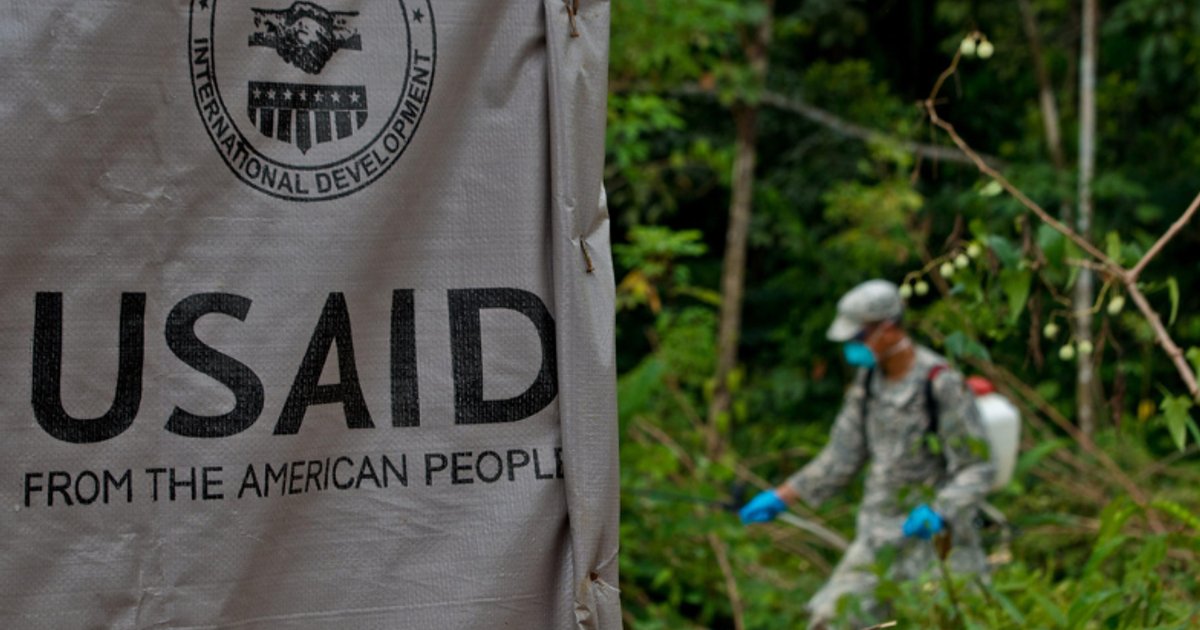
The United States has announced significant changes to its global supply program for combating malaria and AIDS, raising concerns about potential gaps in the provision of essential medicines and resources. This decision comes at a critical time as the need for greater support to fight these diseases increases.
Through these changes, the United States aims to reassess its strategies in addressing global health challenges, particularly in light of the increasing threats from infectious diseases. U.S. officials have indicated that these adjustments are intended to improve the program's efficiency, but they may lead to shortages of necessary supplies to combat malaria and AIDS in many developing countries.
Details of the Changes
As part of these changes, the restructuring of certain aspects of the program has been announced, including a reduction in financial aid allocated to the most affected countries. This decision has raised concerns among many NGOs and health experts, who have warned that it could exacerbate health conditions in the most needy areas.
Malaria and AIDS are diseases that have caused millions of deaths worldwide and continue to affect vulnerable communities. Reports have shown that there is an urgent need for sustainable support to combat these diseases, especially in Africa and Asia.
Background & Context
Historically, the United States has been one of the largest contributors to the fight against malaria and AIDS globally, providing financial and technical assistance to many countries. However, political and economic changes in recent years have led to a reassessment of this aid.
In 2003, former U.S. President George W. Bush launched the PEPFAR program to combat AIDS, which significantly contributed to reducing the number of infections and deaths. However, with the current changes, many are questioning the future of this program and the sustainability of U.S. support in combating these diseases.
Impact & Consequences
Many organizations expect these changes to worsen health conditions in countries that heavily rely on U.S. support. The World Health Organization has warned that any shortage of supplies could lead to increased disease transmission and deterioration of public health.
This move could also affect global efforts to combat infectious diseases, as many countries depend on external aid to provide the necessary medicines and resources. Therefore, any reduction in this assistance could lead to catastrophic outcomes.
Regional Significance
In the Arab region, malaria and AIDS are health challenges that require special attention. Although infection rates may be lower compared to some other regions, there is an urgent need to enhance efforts to combat these diseases.
If the United States continues to reduce its aid, it could impact public health programs in Arab countries, necessitating that governments and local organizations seek alternatives to ensure the provision of necessary medicines and resources.
In conclusion, the recent changes in the global supply program for combating malaria and AIDS raise significant concerns among experts and observers, indicating the need to reconsider international support strategies for combating infectious diseases. The international community must work together to ensure the continuity of support and the provision of necessary resources to address these health challenges.