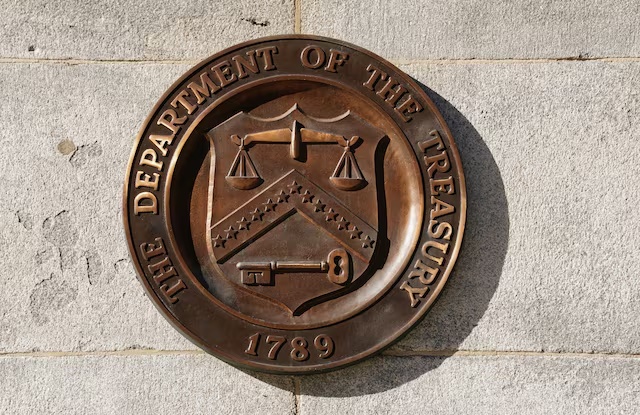
The United States has announced new sanctions against one of the largest private oil refineries in China, marking a bold step in U.S. policy towards Iran. These sanctions come at a time when China's petrochemical sector is facing significant challenges, raising concerns about their impact on both the Chinese and global economies.
The U.S. sanctions target refineries that have business ties with Iran, increasing pressure on Chinese companies that rely on Iranian oil. This move reflects the escalating tensions between the United States and China, particularly amid rising economic competition between the two nations.
Details of the Sanctions
These sanctions are part of a broader U.S. strategy aimed at curbing Iranian influence in the global market. The announcement of the sanctions comes at a sensitive time, as China's petrochemical sector faces multiple challenges, including declining global demand and rising production costs.
China is one of the world's largest oil consumers, and when its refineries are affected, it directly impacts global oil and petrochemical prices. The U.S. sanctions could lead to increased production costs and reduced profits, placing Chinese companies in a difficult position.
Background & Context
Historically, relations between the United States and Iran have been tense, with the U.S. imposing sanctions on Iran for several years due to its nuclear program. In recent years, these sanctions have expanded to include the oil and petrochemical sectors, affecting the Iranian economy and reducing its exports.
In contrast, China seeks to strengthen its trade relations with Iran, viewing Iranian oil as a crucial source to meet its energy needs. This tension between the United States and China reflects a broader geopolitical struggle that impacts the global economy.
Impact & Consequences
These sanctions are expected to exacerbate the situation in China's petrochemical sector, as companies will face new challenges in securing oil supplies. The impact will not be limited to China alone but will extend to global markets, where oil prices may rise due to reduced supplies.
Furthermore, these sanctions could affect trade relations between China and other countries, potentially leading to a reshaping of global supply chains. Companies that rely on Iranian oil will need to seek alternatives, increasing market instability.
Regional Significance
This situation highlights the geopolitical tensions and their effects on the global economy, which are of significant concern to investors and policymakers. The sanctions not only affect the immediate parties involved but also have broader implications for international trade and energy markets.
As the situation unfolds, it will be crucial to monitor the responses from both China and Iran, as well as the potential ripple effects on global oil prices and supply chains.