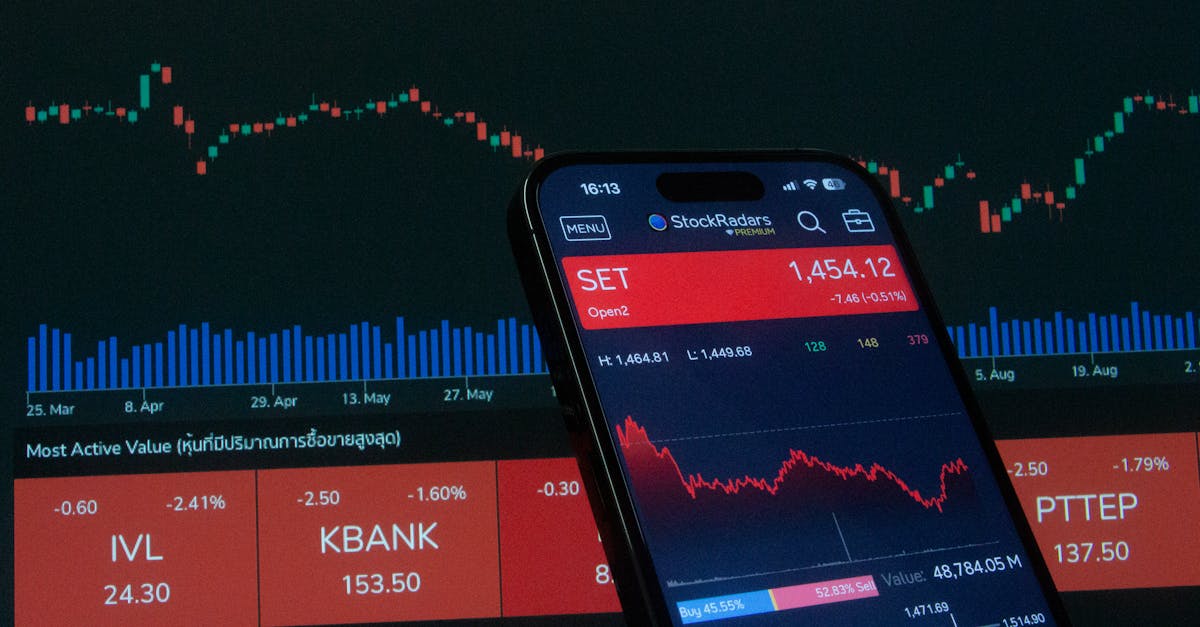
In alarming remarks, Mark Daudine, head of fixed income investment at RBC BlueBay Asset Management, confirmed that financial markets show a certain indifference to the potential economic impacts of the Iranian war. In an interview with Bloomberg, Daudine explained that the current situation is strikingly similar to what we witnessed before the COVID-19 pandemic.
Daudine pointed out that markets did not grasp the extent of the virus's real impacts until it began affecting our daily lives, leading to significant disruptions in financial markets. He expressed concern that the same scenario could repeat itself amid escalating tensions in the Middle East.
Details of the Situation
Concerns are mounting about the Iranian war's impact on the global economy, as tensions in the region are noticeably escalating. Daudine believes that financial markets may be in a state of calm, making them susceptible to significant fluctuations should unexpected developments occur. He indicated that markets do not adequately reflect the risks associated with the conflict, which could lead to a shock in the future.
He also added that there is a clear similarity between the current situation and what happened before the coronavirus outbreak, where markets were in a state of tranquility before facing a major shock. Daudine believes that markets need to reassess the risks associated with the Iranian conflict, and that it is time to pay attention to these threats.
Background & Context
Historically, the Middle East has been a focal point for numerous armed conflicts, which often impact the global economy. The Iranian war, which has emerged in recent years, comes at a sensitive time as tensions between major powers increase. These conflicts affect oil prices and financial markets in general, raising concerns among investors.
In recent years, we have witnessed how conflicts in the region have led to significant market fluctuations. For instance, the conflict in Syria caused oil prices to rise, impacting the global economy. Therefore, any escalation in current events could have far-reaching effects on the global economy.
Impact & Consequences
If the Iranian war continues or escalates, it could lead to rising oil prices, affecting inflation and global economies. Financial markets may also experience significant volatility, potentially resulting in a loss of confidence among investors. Daudine believes this situation requires investors to reassess their investment strategies.
Moreover, the economic impacts could extend to other sectors such as tourism and trade. If the conflict persists, trade flows between countries may be affected, leading to a slowdown in economic growth in many nations.
Regional Significance
The implications of the Iranian war extend beyond its immediate borders, influencing regional stability and security. Neighboring Arab countries may face security and economic risks as a result of the escalation. The interconnectedness of economies in the region means that any disruption can have a ripple effect, impacting trade and investment.
In conclusion, the statements highlight the importance of monitoring developments in the Middle East and their impact on the global economy. Investors and policymakers must remain vigilant and proactive in addressing the potential risks posed by the ongoing conflict.