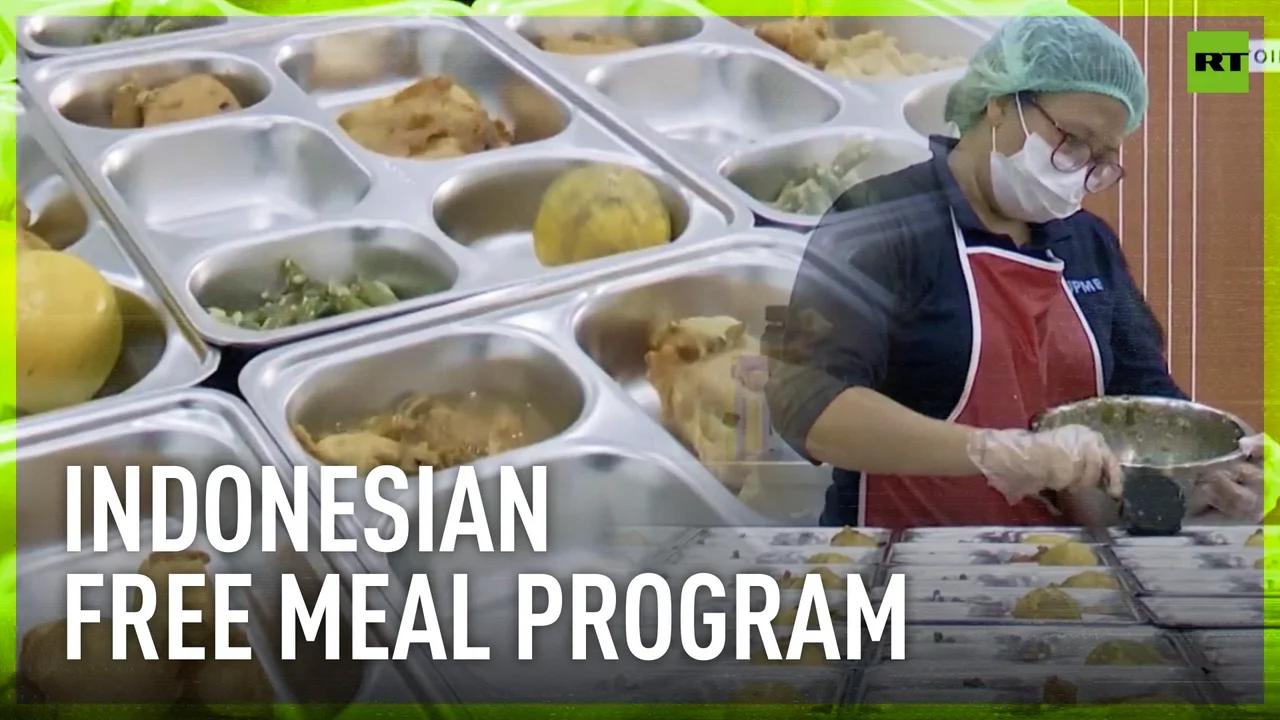
Indonesian Deputy Finance Minister Joda Agung announced that the cancellation of the 'Free Meals' (MBG) program, which was provided on Saturdays, will save the Indonesian government around one billion rupees in just one day. This move is part of the government's efforts to enhance the efficiency of public spending and ensure the sustainability of essential programs more effectively.
Agung explained during a policy dialogue in Jakarta that the decision to cancel the free meal service on Saturdays is logical, as students do not need to attend school solely to receive food. He emphasized that this change could lead to savings of up to four trillion rupees monthly if reductions are calculated over four weeks.
Details of the Event
Agung reported that the government will also eliminate the provision of free meals during school holidays as part of the redirection of government programs. He confirmed that the government will continue to implement priority programs, but in a more precise and quality-driven manner.
He also noted that the government will assess nutrition service units that do not comply with the required nutritional standards and will take strict action against those units that fail to meet the criteria.
Background & Context
This step comes amid the economic challenges facing Indonesia, including pressures from rising global oil prices. The government aims to keep the budget deficit under control, especially given the need to support citizens' purchasing power.
Free nutrition programs are part of the government's efforts to improve children's health and enhance education, but with increasing financial pressures, it has become essential to make decisions aimed at balancing public spending with the basic needs of citizens.
Impact & Consequences
The cancellation of the 'Free Meals' program is a controversial step, as it may affect many families that rely on these free meals. However, officials believe that this move will contribute to improving the efficiency of government spending and directing resources towards more critical programs.
The government expects these changes to enhance the quality of the food programs provided, which could positively reflect on children's health in the future. Nevertheless, the challenge remains in how to address local community reactions to these changes.
Regional Significance
This move in Indonesia illustrates how governments can tackle economic challenges through the redirection of spending. This experience could be beneficial for Arab countries that are also facing similar economic pressures, as they could adopt similar strategies to improve spending efficiency.
In light of global economic challenges, it is crucial for Arab nations to seek innovative ways to ensure the sustainability of their social programs while keeping budgets under control.