The Trump administration imposed sanctions on a Chinese independent oil refinery on Friday due to its purchase of billions of dollars worth of Iranian oil. This action comes at a time when efforts to resume talks between Washington and Tehran are faltering, further heightening tensions with Beijing.
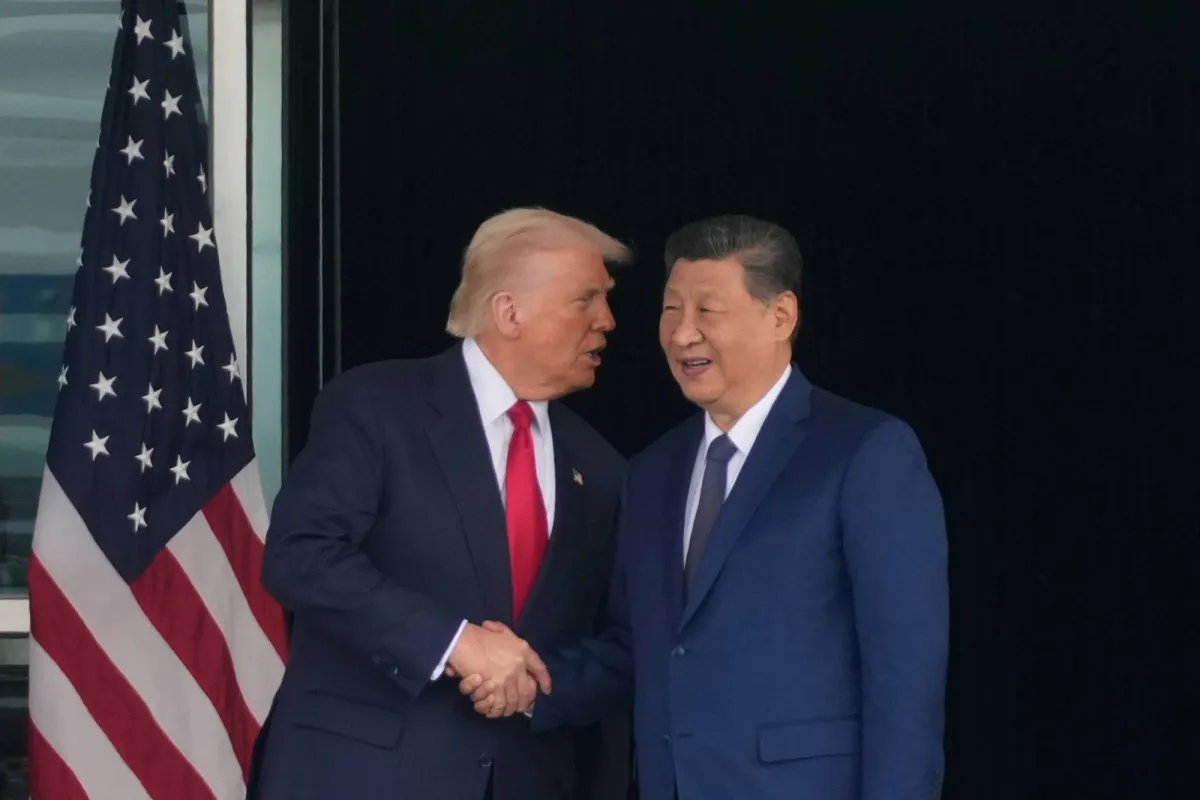
The sanctions coincide with Trump's anticipated visit to the Chinese capital on May 14 and 15, his first in eight years, which had previously been postponed due to the war with Iran. According to the South China Morning Post, Republican Senator Steve Daines will lead a bipartisan delegation to China on May 1, covering cities such as Shanghai and Beijing in preparation for the presidential visit.
Details of the Sanctions
The U.S. Treasury Department targeted the "Hengli Petrochemical" refinery in Dalian, which is considered one of Iran's largest clients for crude oil and petroleum products. The Office of Foreign Assets Control confirmed that it also imposed sanctions on approximately 40 shipping companies and vessels operating within Iran's "shadow fleet."
In response, China announced its opposition to the "illegal" unilateral sanctions, with its embassy in Washington stating that normal trade should not be harmed and urging the United States to stop "abusing" sanctions to target Chinese companies. A spokesperson for the embassy emphasized the need to avoid politicizing issues related to trade, science, and technology.
Background & Context
It is worth noting that the Trump administration had previously imposed sanctions on other smaller independent Chinese refineries last year, leading to difficulties in receiving crude oil and forcing them to sell refined products under different names. These refineries contribute nearly a quarter of China's refining capacity and operate on thin profit margins, having recently been affected by weak domestic demand.
U.S. sanctions freeze assets under U.S. jurisdiction and prevent Americans from dealing with listed entities, leading some major independent refiners to shy away from purchasing Iranian oil. Data from Kpler indicates that China buys over 80% of Iranian oil shipments.
Impact & Consequences
Experts assert that independent refineries enjoy relative immunity from the impact of U.S. sanctions due to their limited ties to the U.S. financial system. However, imposing sanctions on Chinese banks facilitating purchases would have a greater impact on Iranian oil acquisitions.
U.S. Treasury Secretary Scott P. Mnuchin confirmed that the United States is imposing a "strangling financial grip" on the Iranian government, indicating that the department will continue to tighten the noose on the network of ships and intermediaries that Iran relies on to transport its oil to global markets.
Regional Significance
These developments indicate a rise in tensions between the United States and Iran, directly affecting global oil prices and increasing economic pressures on oil-importing countries, including Arab nations. Additionally, U.S. sanctions could exacerbate economic crises in the region, especially amid rising energy prices.
In conclusion, relations between Washington and Tehran remain in a state of ongoing tension, raising concerns about regional and economic stability in the Middle East.