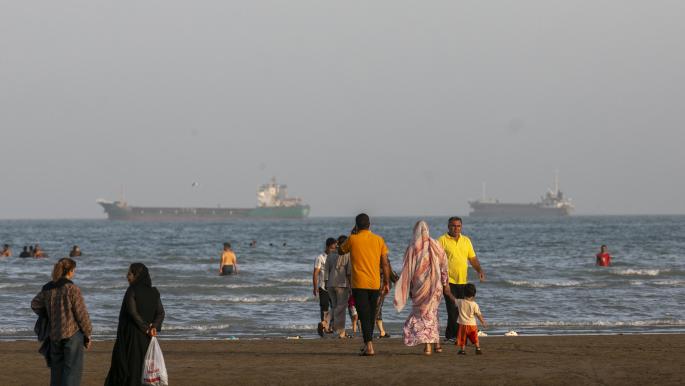
On Thursday, the United States imposed new sanctions on the Iranian body responsible for managing the Hormuz Strait, which is considered one of the most important maritime passages for global trade. These sanctions come at a sensitive time as Washington seeks to bolster its pressure on Tehran amidst escalating regional tensions.
The Hormuz Strait is a vital point, through which approximately 20% of the world's total oil passes. The US sanctions target the body formed by the Iranian government to oversee this strategic passage, which could impact international trade flows and heighten tensions in the region.
Details of the Sanctions
The new sanctions include asset freezes and prohibitions on financial transactions with the Iranian body, reflecting the US policy to counter Iranian activities deemed a threat to regional and international security. This step follows a series of American statements emphasizing the need to curb Iran's influence in the region.
These sanctions are expected to provoke reactions from Tehran, which may view them as part of the declared economic war against it. Furthermore, these measures could affect trade relations between Iran and other countries, especially those reliant on Iranian oil.
Background & Context
Historically, the Hormuz Strait has witnessed numerous tensions, particularly amid regional disputes between Iran and Western countries. Since the US withdrawal from the Iranian nuclear deal in 2018, tensions have escalated, leading to multiple sanctions imposed on Tehran. These new sanctions are part of the US strategy aimed at reducing Iran's ability to influence the region.
These developments coincide with an increase in maritime activities in the area, as Iran seeks to bolster its military presence in the Hormuz Strait. This situation raises concerns about potential military confrontations that could affect international navigation.
Impact & Consequences
The new US sanctions could lead to heightened tensions in the region, which may negatively impact global oil prices. If Iran continues to defy these sanctions, it could result in military escalation in the area, threatening the stability of global markets.
Additionally, these sanctions may affect Iran's neighboring countries that rely on the stability of the Hormuz Strait for their trade. Gulf countries, in particular, may find themselves in a difficult position if military tensions escalate.
Regional Significance
The US sanctions on the Iranian body managing the Hormuz Strait represent a step that could impact regional security. Arab countries in the Gulf, which heavily depend on the stability of navigation in the strait, may face new challenges in light of these developments.
Moreover, the situation may open the door for other countries to enhance their presence in the region, potentially leading to changes in political and economic alliances. It is crucial for Arab nations to closely monitor these developments, as any escalation could directly affect their interests.
In conclusion, the new US sanctions on the Iranian body managing the Hormuz Strait mark an important step in the context of international relations and underscore the ongoing tensions in the region. Stakeholders in the area must be prepared to deal with the potential consequences of these sanctions.