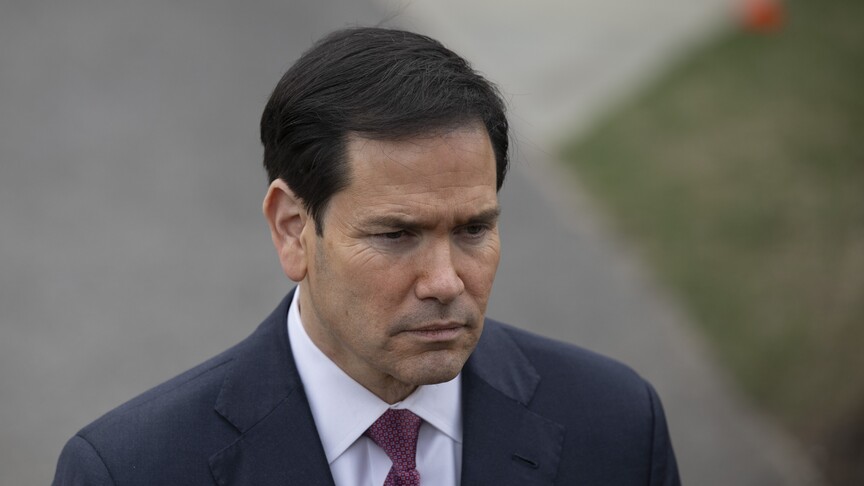
In his recent statements, U.S. Secretary of State Marco Rubio confirmed that Iran is demonstrating seriousness in its efforts to emerge from the difficult situation it currently faces. He pointed out that any future agreement with Tehran must include strong guarantees to prevent it from developing nuclear weapons, which is one of the most significant international concerns.
These remarks come at a sensitive time, as pressures on Iran are increasing due to its nuclear program, which has raised alarms in the international community. Rubio clarified that the United States will not relent in its stance on this issue, stressing the importance of reaching an agreement that protects regional and international security.
Details of the Event
In this context, Rubio's statements follow a series of negotiations that have taken place in recent months between Iran and major powers, aimed at reviving the nuclear agreement reached in 2015. This agreement had halted some Iranian nuclear activities in exchange for the easing of economic sanctions, but the U.S. withdrawal from it in 2018 led to escalating tensions.
Rubio, considered one of the most influential figures in U.S. foreign policy, indicated that Iran fully understands the dire consequences that may result from its continued development of its nuclear program. He also emphasized the necessity of having a clear timeline for reaching a final agreement.
Background & Context
Historically, relations between Iran and the United States have experienced significant fluctuations, with periods of cooperation and others marked by tension. The nuclear agreement reached in 2015 was seen as a diplomatic achievement, yet the U.S. withdrawal from it nearly returned matters to square one.
Iran, facing substantial economic pressures due to sanctions, is seeking to improve its situation through negotiations for a new agreement. At the same time, concerns about Tehran's potential development of nuclear weapons persist, complicating the negotiations further.
Impact & Consequences
If the current negotiations succeed in reaching a new agreement, it could lead to a de-escalation of tensions in the region. However, any agreement must include stringent mechanisms to ensure Iran's compliance with the agreed-upon terms.
On the other hand, the outcomes of these negotiations may affect relations between Iran and neighboring Arab states, which fear that any agreement could enhance Iran's influence in the region. Therefore, international monitoring will be essential to ensure that conditions do not worsen.
Regional Significance
Arab countries, particularly those located in the Arabian Gulf, are among the most affected by developments related to the Iranian nuclear program. Any agreement that might improve relations between Iran and the West could raise concerns among these countries that Tehran may exploit this to bolster its regional influence.
In this context, Arab nations must be prepared to address any changes that may arise in the regional landscape as a result of these negotiations. Regional cooperation and strengthening defensive capabilities will be crucial to counter any potential threats.