The US Senate voted on Tuesday against a proposal to end the embargo on Cuba that was implemented during Donald Trump's presidency. This decision highlights the ongoing American policy towards Cuba, with many members believing that the embargo remains necessary for security and economic reasons.
The vote came after extensive discussions regarding the impact of the embargo on the Cuban people, where some members pointed out that the embargo has negatively affected the Cuban economy and worsened humanitarian conditions on the island. However, some members insisted that the embargo serves as a means to pressure the Cuban government into making reforms.
Details of the Vote
The resolution to end the embargo was introduced by a group of Democratic members who argued that the embargo has not achieved its intended goals. However, the resolution received limited support, with only a few members voting in favor while the majority opposed it.
This move comes at a time when Cuba is experiencing a severe economic crisis, with citizens facing acute shortages of food and medicine. Some experts have indicated that the embargo contributes to exacerbating these crises, prompting a reevaluation of American policy towards Cuba.
Background & Context
Historically, the United States imposed the embargo on Cuba in 1960 as part of its efforts to confront the communist regime on the island. Since then, US-Cuban relations have experienced numerous fluctuations, with some administrations attempting to ease the embargo while others have adhered to a policy of pressure.
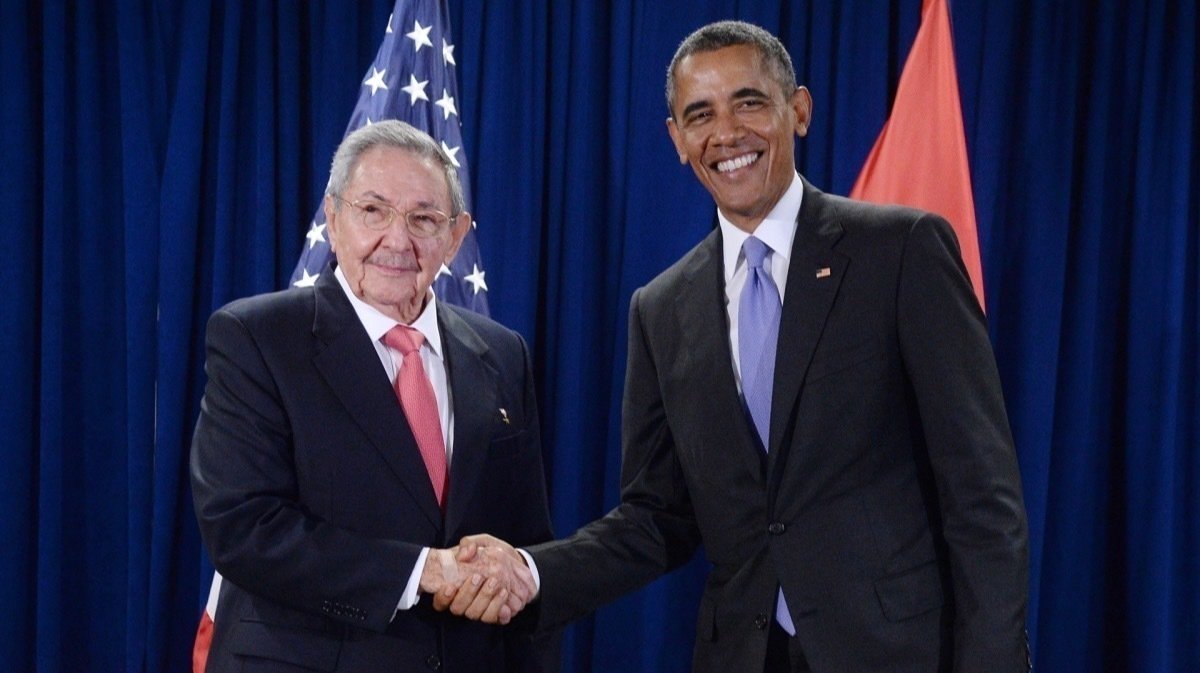
In 2016, relations between the two countries saw a notable improvement during Barack Obama's administration, with steps taken towards normalizing relations. However, things changed drastically with Trump's arrival in power, as he reinstated many of the restrictions that had previously been lifted.
Impact & Consequences
This step by the Senate is an indication of the continuation of the US's hardline policy towards Cuba, which may lead to worsening economic and social conditions on the island. Additionally, this decision could affect relations between the United States and other Latin American countries that support lifting the embargo.
Moreover, this decision may increase tensions between Cuba and the United States, hindering any future efforts to reach new agreements. The continued embargo could also drive Cuba to seek new allies on the international stage.
Regional Significance
Given the situation in Cuba, there may be lessons for Arab countries facing similar challenges. The Cuban experience reflects how foreign policies can impact internal conditions, necessitating a reconsideration of how to manage international relations in a way that safeguards the interests of the people.
Ultimately, the question remains whether the United States will reconsider its policy towards Cuba in the future or continue its current approach, which raises much debate.