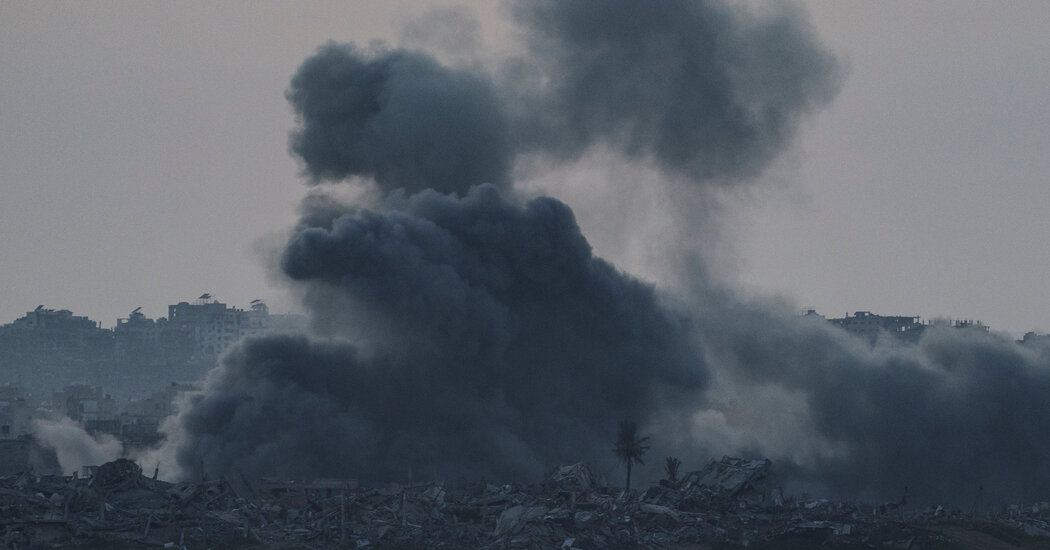
U.S. stock futures for the S&P 500 fell by 0.3% at 7:55 AM local time in New York, reflecting a state of anxiety among investors regarding the situation in the Middle East. Doubts have increased about the possibility of the ceasefire holding, which has impacted market sentiment.
This decline occurs at a sensitive time, as investors had hoped that the ceasefire would lead to greater stability in financial markets. However, recent developments suggest that conditions may not be as many had anticipated, increasing uncertainty.
Market Reactions to Geopolitical Events
Financial markets are significantly influenced by geopolitical events, particularly those occurring in the Middle East. This region is a focal point for numerous political and economic issues that affect the global economy. As tensions escalate, attention turns to how this will impact U.S. markets.
The S&P 500 futures, regarded as a crucial indicator of U.S. stock performance, have seen a decline that reflects growing fears among investors. With ongoing events in the Middle East, markets are expected to remain under pressure.
Background & Context
Recently, the Middle East has witnessed an escalation in conflicts, impacting regional stability. Historically, financial markets react swiftly to any developments in this area, as political and economic crises influence oil prices and other resources.
The United States is one of the largest investors in the region, and any tensions could affect its investments. Therefore, any news regarding the ceasefire or escalation of conflict has a direct impact on financial markets.
Impact & Consequences
The decline in U.S. stock indices could have far-reaching implications. It may affect investor confidence, leading to greater volatility in markets. Additionally, rising doubts about the situation in the Middle East could lead to increased oil prices, impacting the global economy overall.
Moreover, any escalation in conflict could provoke political and economic reactions from major countries, further increasing uncertainty in the markets. Investors need to closely monitor the situation to assess potential risks.
Regional Significance
Developments in the Middle East have a direct impact on global financial markets, necessitating careful monitoring by investors. The interplay between geopolitical tensions and market performance underscores the importance of understanding regional dynamics.
In conclusion, the current state of uncertainty surrounding the ceasefire and its implications for financial markets highlights the need for vigilance among investors as they navigate these turbulent times.