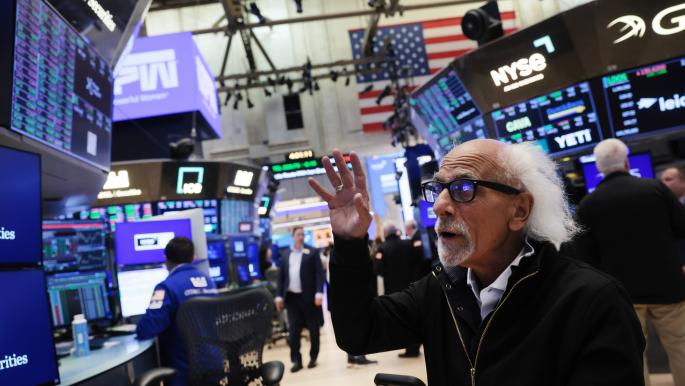
U.S. markets faced significant pressure at the start of trading on Thursday, with stock indices sharply declining while bond yields increased. This downturn comes amid escalating tensions due to exchanges of strikes between Iran and the United States, reigniting fears of a potential military escalation that could impact the global economy.
The main stock indices on Wall Street fell considerably, with the Dow Jones Industrial Average reflecting the prevailing anxiety among investors. At the same time, U.S. government bond yields saw a notable rise, indicating an increased demand for safe assets in the tense atmosphere.
Details of the Event
These developments follow a series of rapid events in the Middle East, where both Iranian and American forces have exchanged strikes, leading to heightened tensions. This situation has raised concerns among investors in financial markets, as many seek to protect their investments from potential risks.
In this context, analysts pointed out that the rise in bond yields reflects growing fears of potential negative impacts on the U.S. economy, especially amid geopolitical tensions. The decline in stocks also mirrors the uncertainty dominating the markets, making investors more cautious in their decision-making.
Background & Context
Historically, U.S. financial markets have experienced similar fluctuations during times of geopolitical crises. Whenever tensions in the Middle East escalate, markets tend to react negatively, leading to declines in stock indices and increases in bond yields. This dynamic illustrates the close relationship between political and economic events.
Moreover, U.S. financial markets are among the largest in the world, and any downturn can significantly affect the global economy. Therefore, the ongoing events in the Middle East raise widespread concern among investors and analysts alike.
Impact & Consequences
The current tensions could lead to negative repercussions for the U.S. economy, potentially affecting consumer and investor confidence. Additionally, rising bond yields may increase borrowing costs, impacting both businesses and individuals.
Furthermore, global markets may also be affected, as any downturn in the U.S. economy could lead to negative impacts on economic growth in other countries. Thus, closely monitoring ongoing events is essential for understanding future trends.
Regional Significance
The tensions between Iran and the United States directly impact the Arab region, as these events are part of the broader conflict in the Middle East. Any escalation in the situation could have repercussions on security and stability in the countries of the region, increasing economic risks.
Additionally, Arab markets may also be affected by fluctuations in U.S. markets, as foreign investments could decline in the tense atmosphere. Therefore, Arab countries need to take proactive measures to protect their economies from any potential negative impacts.
In conclusion, amid the current conditions, the focus remains on how events in the Middle East will develop and their impact on global financial markets. Vigilance and preparedness from investors and analysts will be crucial in facing any challenges that may arise in the future.