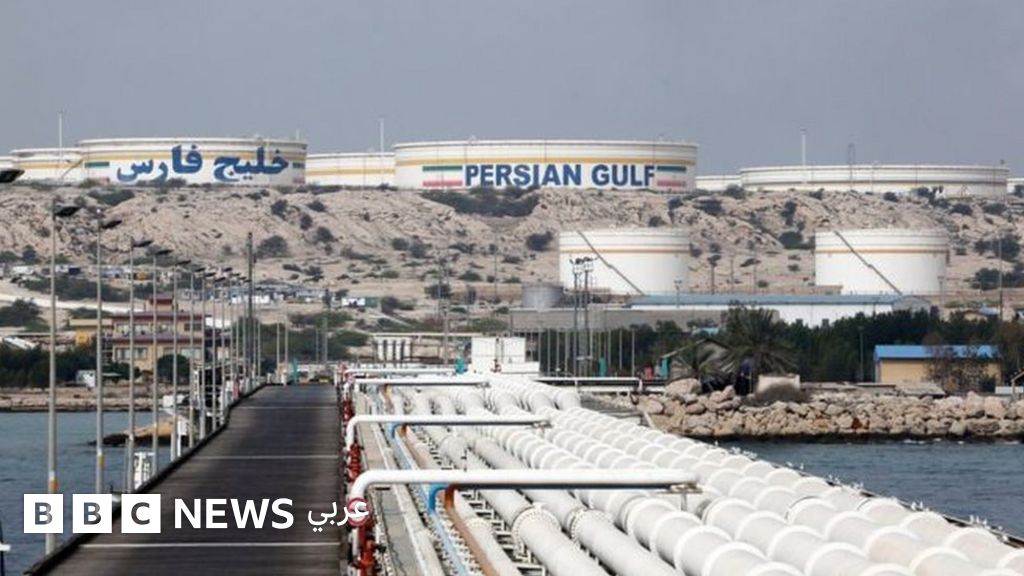
U.S. government bonds have declined as part of a global bond sell-off, exacerbated by rising oil prices. At the same time, President Donald Trump has threatened Iran with military escalation, which has heightened investor concerns and increased pressure on financial markets.
Reports indicate that oil prices have seen a significant increase, directly impacting financial markets as fears grow regarding its effects on inflation and economic growth. With geopolitical tensions escalating, markets are on high alert for potential developments in the coming days.
Details of the Event
Yields on U.S. government bonds have notably decreased, coinciding with a broad sell-off in global markets. This decline followed signs of weakness in U.S. economic data, prompting investors to seek safe havens.
Simultaneously, oil prices have surged significantly, surpassing the $80 per barrel mark, raising concerns about the impact on global inflation. Analysts have pointed out that rising oil prices could lead to increased production costs, negatively affecting the global economy.
Background & Context
Historically, financial markets have experienced significant volatility due to geopolitical tensions, particularly in the Middle East. Iran is considered one of the hotspots in international relations, with tensions between the U.S. and Iran escalating since Washington's withdrawal from the nuclear deal in 2018.
Moreover, rising oil prices have multiple effects on the global economy, potentially leading to increased inflation in oil-consuming countries, thereby placing additional pressure on central banks to make decisions regarding monetary policy.
Impact & Consequences
These developments are expected to significantly impact financial markets, as rising oil prices may lead to increased production costs, negatively affecting corporate profits. Additionally, escalating tensions with Iran could increase uncertainty in the markets, prompting investors to adopt more cautious strategies.
Furthermore, these conditions may increase pressure on central banks, which might have to adjust their monetary policies to address the effects of rising inflation. This could lead to changes in interest rates, affecting borrowing and investment.
Regional Significance
The Arab region is among the most affected by geopolitical developments, as oil prices play a vital role in the economies of many countries. While some oil-producing nations may benefit from rising oil prices, oil-importing countries may face greater economic challenges.
Additionally, escalating tensions between the U.S. and Iran could lead to increased instability in the region, impacting investments and heightening economic risks. Therefore, Arab nations must be prepared to face these challenges by diversifying their economies and enhancing regional cooperation.