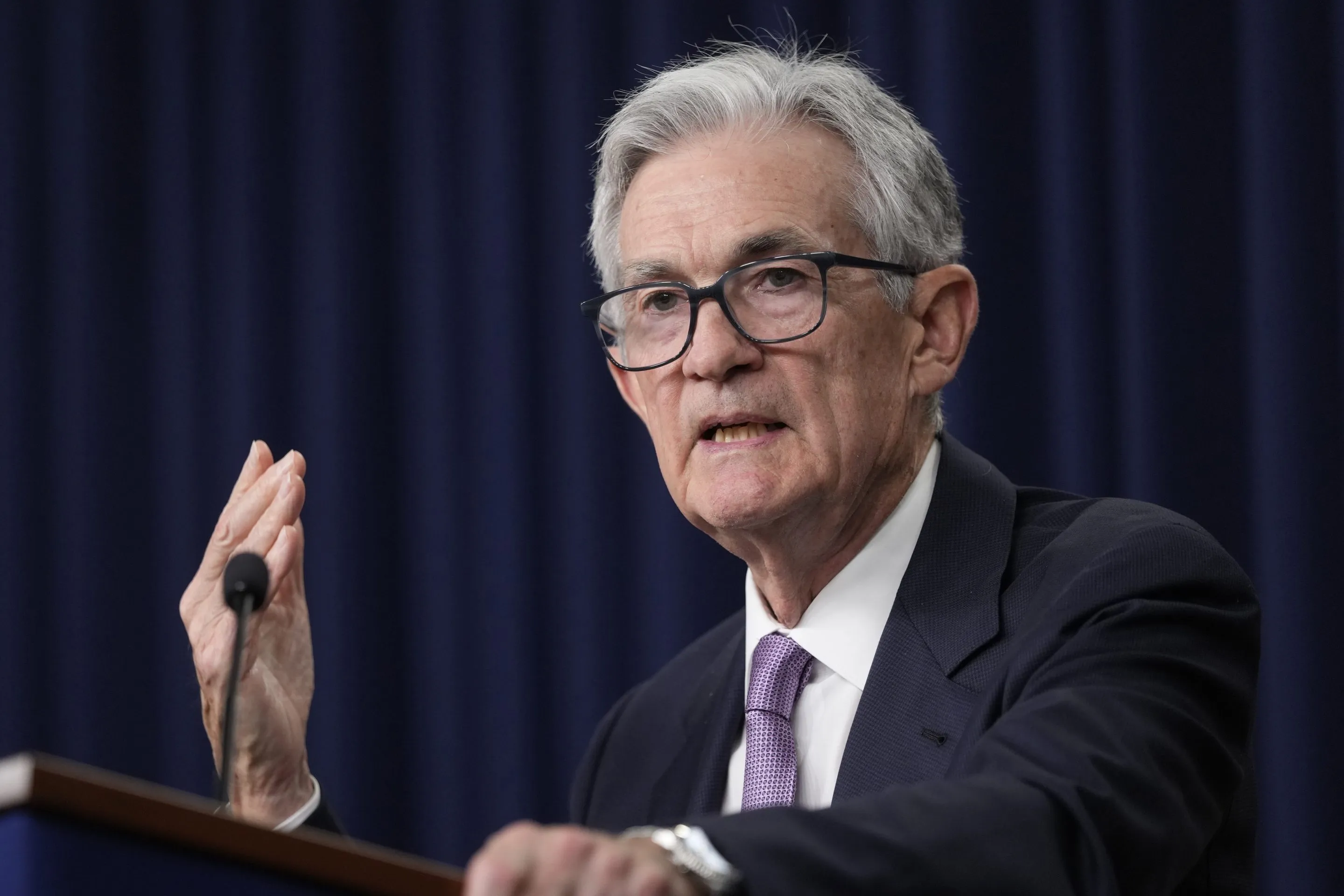
US Treasury bonds experienced a notable increase in value following recent remarks by Federal Reserve Chairman Jerome Powell. Powell confirmed that the tariffs imposed by former President Donald Trump resulted in a temporary rise in prices, pointing out that the central bank has limited capacity to influence economic pressures arising from global crises, such as the sharp increase in oil prices due to geopolitical conflicts.
These statements come at a sensitive time for the US economy, which is grappling with multiple repercussions, including rising inflation and increasing commodity prices. These factors have significantly impacted the financial market, prompting investors to seek safe havens like government bonds.
Details of the Event
Powell clarified that the tariffs imposed on Chinese imports had negative effects on the US economy, but they were not the sole reason behind the current pressures. He noted that global crises, such as conflicts in the Middle East, play a significant role in driving up oil prices, which negatively impacts inflation.
In this context, US Treasury yields have declined, reflecting an increase in demand for these safe assets. This trend indicates investor concern over the instability of financial markets under current conditions.
Background & Context
Historically, the monetary policies of the Federal Reserve have played a pivotal role in stabilizing the US economy. However, global crises, such as the COVID-19 pandemic and trade wars, have significantly affected the central bank's ability to control inflation. These crises have led to increases in commodity prices, making it challenging for the Federal Reserve to achieve its inflation targets.
Moreover, the tariffs imposed by Trump on China were part of a broader strategy to bolster the US economy. However, this strategy has proven to be less effective than anticipated, leading to increased costs for consumers and American businesses.
Impact & Consequences
The repercussions of Powell's remarks extend beyond the US economy, affecting global markets. As inflationary pressures increase, central banks in other countries may be compelled to take similar actions, potentially leading to divergences in monetary policies worldwide.
Additionally, the decline in US Treasury yields may impact foreign investment flows, as investors view low yields on US bonds as a sign of instability. This could lead to increased volatility in global financial markets.
Regional Significance
For the Arab region, the rise in oil prices due to geopolitical crises could significantly impact the economies of oil-producing countries. Many of these nations rely on oil revenues as a primary source of income. Therefore, any increase in prices could lead to improved economic conditions in these countries.
However, rising prices could also exacerbate economic conditions in oil-importing countries, increasing inflationary pressures and affecting citizens' purchasing power.
In conclusion, financial markets remain influenced by global and local factors, necessitating that investors and analysts closely monitor developments to understand future trends.