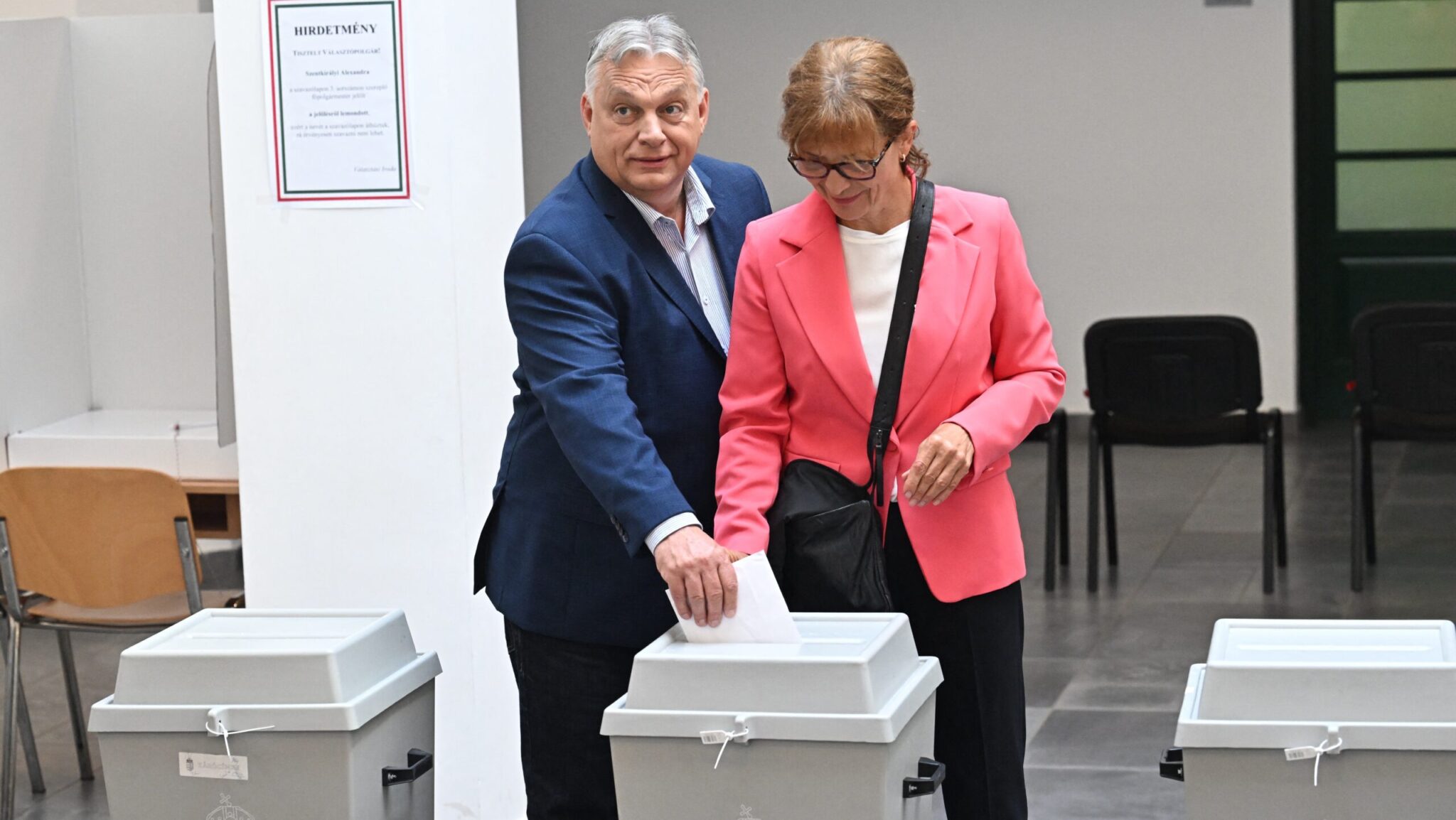
In a visit with significant political implications, U.S. Vice President J.D. Vance traveled to Budapest on Tuesday, just before the scheduled legislative elections in Hungary. This visit comes at a time when Prime Minister Viktor Orbán faces substantial challenges, as polls indicate a decline in his popularity. During this visit, Vance strongly criticized what he termed "interventions" from Brussels, warning that these interventions threaten to harm the Hungarian economy.
This visit is part of a broader strategy to support nationalist governments in Europe, as U.S. officials seek to strengthen ties with leaders like Orbán who adopt nationalist policies. Vance emphasized the importance of maintaining Hungary's independence in the face of European pressures, indicating that such pressures could lead to the "destruction of the economy."
Event Details
Vance's visit comes at a critical time for Orbán, who is facing increasing criticism from the opposition and some EU countries due to his policies. Vance pointed out that Hungary needs support from its allies, highlighting the significance of U.S.-Hungarian relations. He also assured that the United States would stand by Hungary in confronting economic and political challenges.
During his visit, Vance met with several Hungarian officials, discussing ways to enhance bilateral cooperation. The Hungarian officials expressed their appreciation for U.S. support, underscoring the importance of the strategic relationship between the two countries.
Background & Context
Historically, Hungary has been under strong influence from the European Union, but in recent years, Orbán's government has taken steps to bolster national sovereignty, leading to tensions with Brussels. Since taking office, Orbán has implemented policies aimed at reducing dependence on the EU, making him a focal point for many nationalists across Europe.
The upcoming elections represent a real test for Orbán as he seeks to renew his mandate amid growing criticism. Polls have shown a division in public opinion regarding his policies, complicating his political standing.
Impact & Consequences
Vance's visit carries profound implications for U.S.-European relations, as the United States aims to enhance its influence in the region by supporting nationalist governments. At the same time, this visit may exacerbate tensions between Hungary and the EU, potentially affecting the country's economic and social policies.
If Orbán succeeds in the elections, it could encourage other leaders in Europe to adopt similar approaches, leading to significant changes in European politics. Conversely, if Orbán loses, it may prompt a reevaluation of relations between Hungary and the United States.
Regional Significance
The relationship between the United States and Hungary is particularly important in the context of global politics, as it can influence Arab nations' positions on European issues. Additionally, U.S. support for nationalist governments may resonate with Arab countries seeking to enhance their sovereignty and independence.
Ultimately, this visit serves as an indicator of global political trends, as leaders strive to assert their influence amid growing challenges. What unfolds in Hungary may have far-reaching effects on both European and global politics.