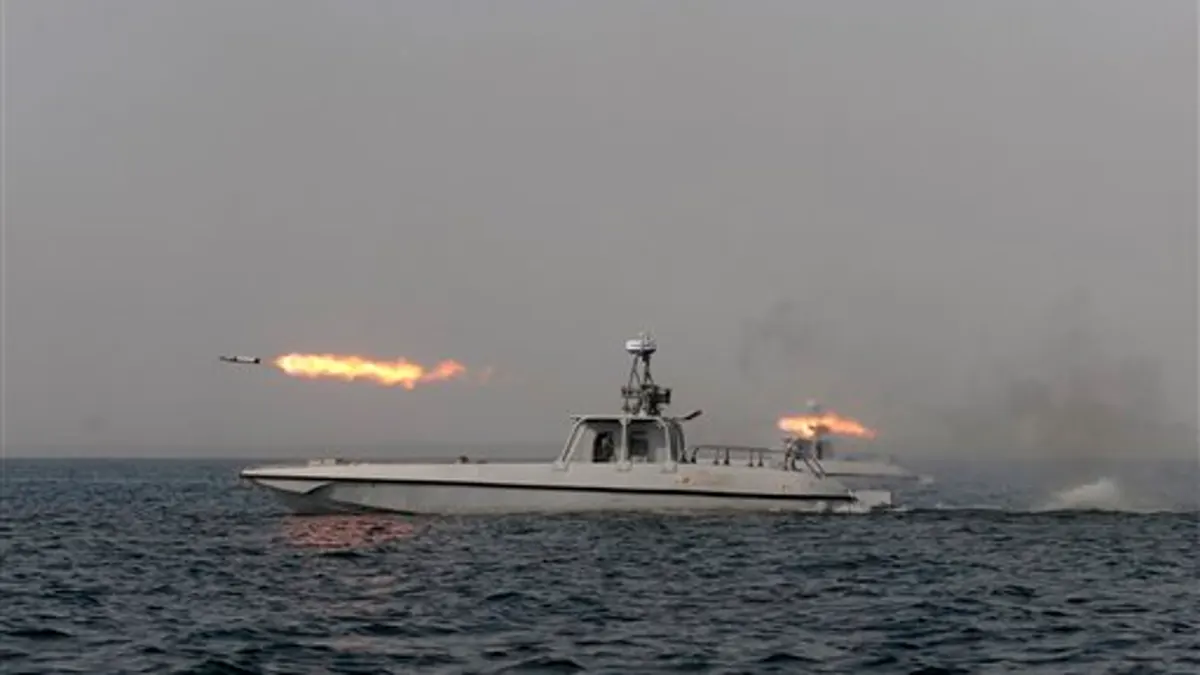
U.S. Secretary of State Marco Rubio emphasized in statements made on Monday that the United States will not tolerate any Iranian attempts aimed at imposing illegal control over navigation in the Strait of Hormuz. These remarks come at a sensitive time when the region is witnessing increasing tensions related to Iranian movements in international waters.
Rubio pointed out that the division within the Iranian leadership represents the biggest obstacle to any efforts aimed at reaching agreements or diplomatic solutions. He explained that this division could lead to an escalation of tensions in the region, threatening the security and stability of the Strait of Hormuz, which is one of the most important maritime corridors in the world.
Details of the Event
Rubio's statements are part of a U.S. policy aimed at enhancing maritime security in the region. The Strait of Hormuz is a vital transit point for approximately 20% of the world's total oil, making it a strategic target for many countries. In recent years, there has been an increase in Iranian activities, including threats against commercial vessels and acts of detention.
In this context, the United States is seeking to bolster its military presence in the region by deploying additional naval forces, in addition to cooperating with its allies to ensure freedom of navigation. These steps are part of a broader strategy to counter the increasing Iranian influence in the Middle East.
Background & Context
Historically, the Strait of Hormuz has always been a theater for geopolitical tensions. Since the Iranian Revolution in 1979, the region has witnessed numerous crises that have affected navigation. In recent years, Iran has increased its military activities in the area, leading to strong reactions from the United States and its allies.
These activities include targeting commercial vessels and direct threats against U.S. forces. Such tensions have raised concerns about the outbreak of open military conflict, alarming the international community.
Impact & Consequences
Rubio's statements highlight the importance of the Strait of Hormuz as a strategic area, where any escalation in tensions could have negative impacts on global oil prices. If Iran continues to threaten navigation, markets could experience significant volatility, affecting the global economy.
Moreover, the division within the Iranian leadership could lead to reckless decision-making, increasing the likelihood of military escalation. This scenario could drag the region into a comprehensive conflict, threatening both regional and international security.
Regional Significance
The Arab countries neighboring the Strait of Hormuz, such as the United Arab Emirates and Saudi Arabia, are at the heart of these tensions. Any escalation could directly impact their security and stability. These countries also heavily rely on oil movement through the strait, making them vulnerable to any potential threats.
Under these circumstances, Arab countries must enhance their security cooperation and develop effective strategies to address the challenges posed by Iranian activities. Continuous diplomatic efforts should also be made to ensure regional stability.