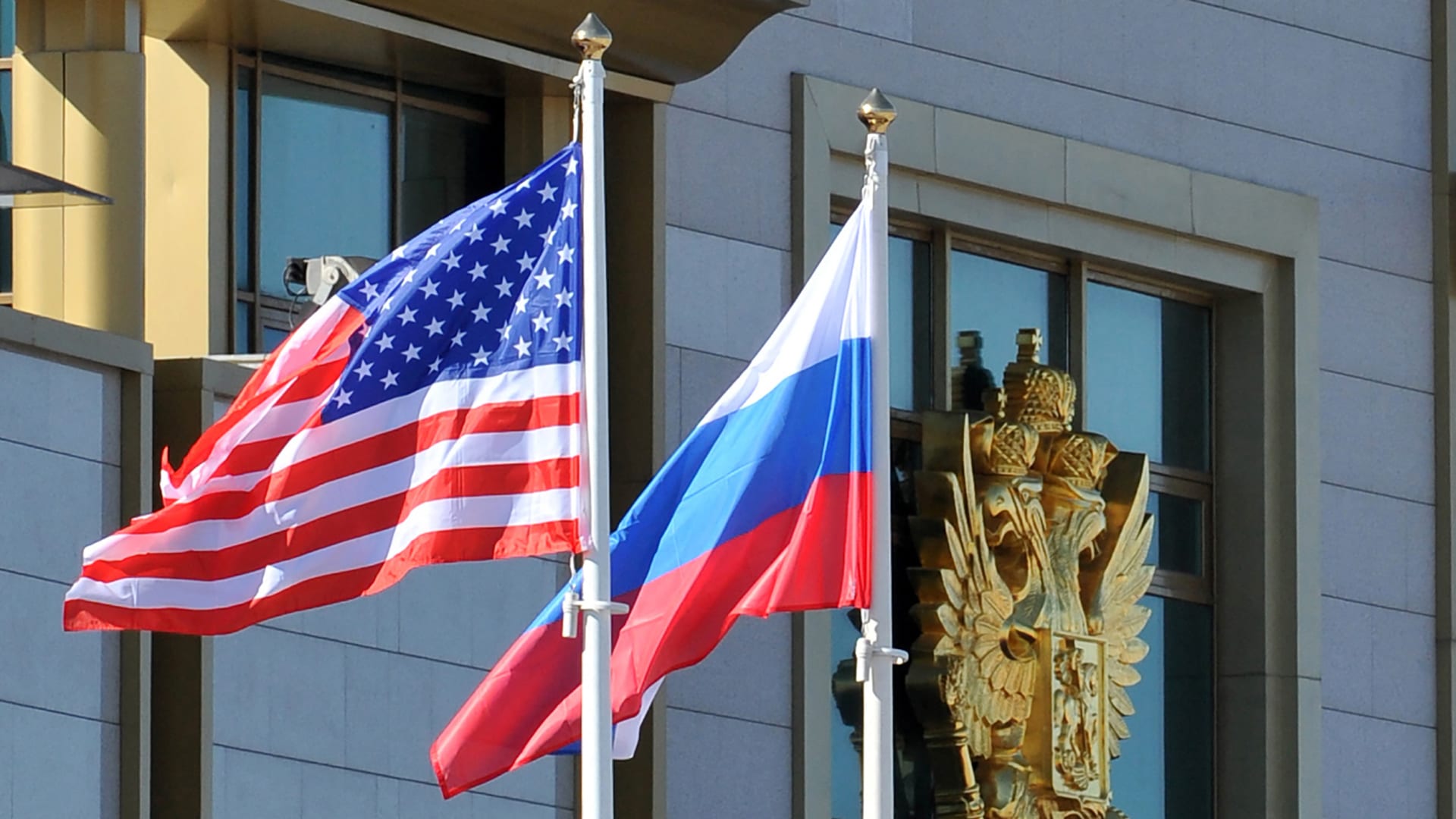
In a notable development, former U.S. Commerce Secretary Wilbur Ross confirmed that the rapidly unfolding events in Iran have placed both China and Russia in a state of caution. This statement was made during his appearance on the Bloomberg Businessweek program, where he pointed out that the United States has successfully dismantled Iranian defenses faster than anticipated.
Ross added that the situation in Iran is progressing better than expected, as U.S. forces have quickly neutralized Iranian defenses, leaving Iran in a very weak position against any potential attack. These remarks come at a sensitive time when the region is experiencing increasing tensions.
Details of the Situation
During his discussion, Ross elaborated that the United States has taken decisive steps in addressing Iranian threats, reflecting a new American strategy that involves more effective military force. He emphasized that these events could have significant implications for international relations, particularly with major powers like China and Russia.
He also noted that these countries may need to reassess their strategies in the region, especially in light of the increasing threats posed by the United States. The statements come at a time when the world is witnessing a rise in military tensions, raising questions about the future of international relations.
Background & Context
Historically, Iran has always been a focal point of tensions in the Middle East, where the interests of major powers intersect. Since the Iranian Revolution in 1979, Iran has become a key player in regional politics, making it a target for many U.S. policies. Recent years have seen an escalation in tensions between Iran and the United States, particularly following the Trump administration's withdrawal from the nuclear deal in 2018.
In this context, Wilbur Ross's statements are part of a broader strategy aimed at enhancing American influence in the region. The warnings directed at China and Russia reflect U.S. concerns over the growing influence of these two nations in the Middle East, as both seek to strengthen their ties with Iran.
Impact & Consequences
The remarks made by Ross could lead to heightened tensions between the United States and both China and Russia. These countries may perceive the American warnings as a direct threat to their interests, potentially resulting in military or political responses. Additionally, this situation could contribute to increasing tensions in the region, affecting regional stability.
Moreover, the escalation of events in Iran could have economic repercussions, as oil prices and global markets may be affected. Under these circumstances, Arab countries may find themselves in a sensitive position, needing to balance their relationships with major powers.
Regional Significance
For Arab countries, the ongoing events in Iran could have direct implications for security and stability in the region. The rising tensions may lead to an increase in armed conflicts, threatening stability in countries like Iraq, Syria, and Lebanon.
Arab nations may also need to reassess their strategies in dealing with Iran, particularly in light of American threats. It is crucial for these countries to stay informed about developments and work on enhancing cooperation among themselves to face common challenges.