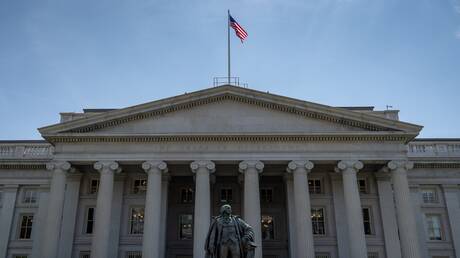
U.S. Treasury Secretary Scott Pisent has issued a strong warning to Oman, emphasizing that the United States will aggressively target any parties involved, directly or indirectly, in facilitating the imposition of fees on the Strait of Hormuz. This warning is part of Washington's efforts to safeguard navigation freedom in one of the world's most crucial waterways.
The fees imposed on the Strait of Hormuz pose a potential threat to global trade, as approximately 20% of the world's total oil passes through this strait. The United States has expressed concern over any attempts to impose fees that could affect commercial shipping, potentially leading to increased oil prices and negative impacts on the global economy.
Details of the Warning
Pisent stated that any attempt to impose fees on the Strait of Hormuz would face a strong response from the U.S. administration. This warning comes at a time when the region is experiencing rising tensions, highlighting the importance of maintaining navigation freedom in this vital corridor. He also noted that Washington will monitor any activities that could be considered a threat to maritime security.
These statements come at a critical juncture, as fears of escalating tensions in the Gulf region are on the rise. The United States has shown its readiness to take diplomatic and military actions to protect its interests and those of its allies in the area.
Background & Context
Historically, the Strait of Hormuz has witnessed numerous crises and tensions, being a key transit point for oil. In recent years, tensions between Iran and the United States have escalated, raising concerns about the security of navigation in the region. Some countries have attempted to impose fees or restrictions on shipping movements, provoking strong reactions from the international community.
Oman plays a crucial role in the region, consistently striving to maintain good relations with all parties. However, the current challenges require it to take clear stances to protect its national interests.
Impact & Consequences
If fees are imposed on the Strait of Hormuz, it could lead to a significant increase in oil prices, affecting the global economy. Oil-importing countries would be particularly impacted, and financial markets may experience sharp fluctuations as a result. Additionally, any escalation in tensions could lead to military interventions by the United States or its allies.
Conversely, this warning may enhance cooperation among Gulf states to address security challenges. Countries may seek to bolster their defensive capabilities and develop joint strategies to protect navigation in the region.
Regional Significance
This American warning represents a turning point in relations between the United States and Gulf countries, necessitating clear positions from Arab nations. This could lead to a reassessment of security and economic policies in the region, affecting relations between Arab states and the United States.
Ultimately, the question remains as to how Oman and other countries will respond to this warning and whether they will take steps to prevent any potential escalation in the region. Maintaining stability in the Strait of Hormuz is vital not only for the region but for the global economy as a whole.