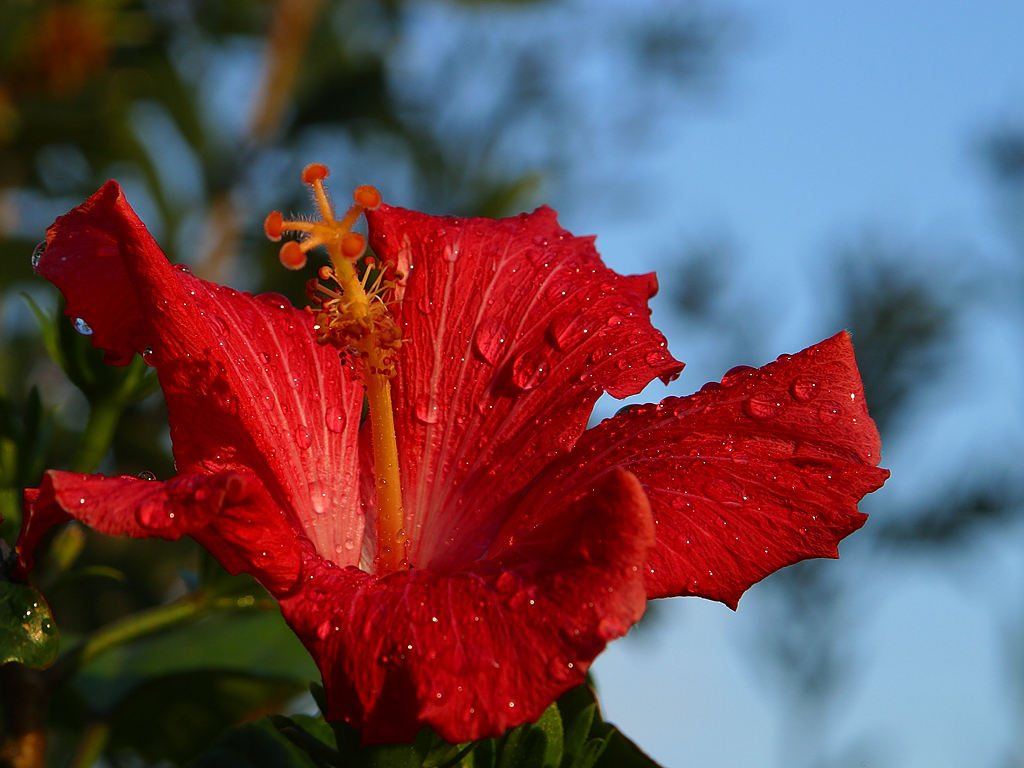
As Easter approaches, interest in natural methods for dyeing hair is increasing, with hibiscus being one of the most prominent options. This method is not only effective but also safe and healthy, allowing women to achieve a beautiful burgundy color without the need for harmful chemicals.
Hibiscus is a plant known for its health and beauty benefits, used in many cultures as a natural remedy. It is characterized by its dark red color, making it an ideal choice for natural hair dyeing. Preparing hibiscus dye at home is easy, which makes it a preferred option for many women.
Details of the Process
To prepare hibiscus dye, simple steps can be followed. First, hibiscus leaves are boiled in water for 30 minutes, then the liquid is strained to be ready for use. After that, a little olive oil or coconut oil can be added to enhance the health benefits of the dye. The liquid is applied to the hair and left for an hour before rinsing with water.
This method is ideal for individuals who are sensitive to chemical substances, as hibiscus contains natural antioxidants that help promote hair health and strengthen it. Additionally, the burgundy color resulting from the use of hibiscus adds a distinctive aesthetic touch suitable for the Easter atmosphere.
Background & Context
Historically, hibiscus has been used in many cultures as a natural dye, regarded as a symbol of beauty and health. In recent years, interest in natural products in the beauty sector has increased, leading to a revival of ancient techniques such as dyeing hair with hibiscus.
This method is gaining popularity in Arab countries, where women are keen to use natural materials in hair care. With holidays and occasions approaching, many are looking for new ways to refresh their appearance safely and healthily.
Impact & Consequences
Using hibiscus for hair dyeing reflects a growing trend towards natural self-care. This trend is not limited to hair dyeing but extends to skincare and the use of natural products in daily life.
Moreover, this method raises awareness about the importance of using natural materials, which may lead to a reduction in reliance on chemical products that could harm health in the long term. Thus, these practices can contribute to improving overall quality of life.
Regional Significance
In the Arab region, natural care techniques are part of cultural heritage. Using hibiscus as a hair dye revives these traditions and enhances cultural identity. Additionally, these practices contribute to supporting the local economy by aiding farmers who grow hibiscus.
Furthermore, these trends can lead to increased awareness about the importance of sustainable agriculture and environmental conservation, contributing to improving environmental conditions in the region.
In conclusion, dyeing hair with hibiscus is an ideal option for those looking to refresh their appearance in a natural and safe way, especially with Easter approaching. This method not only enhances beauty but also reflects a trend towards natural self-care and health awareness.