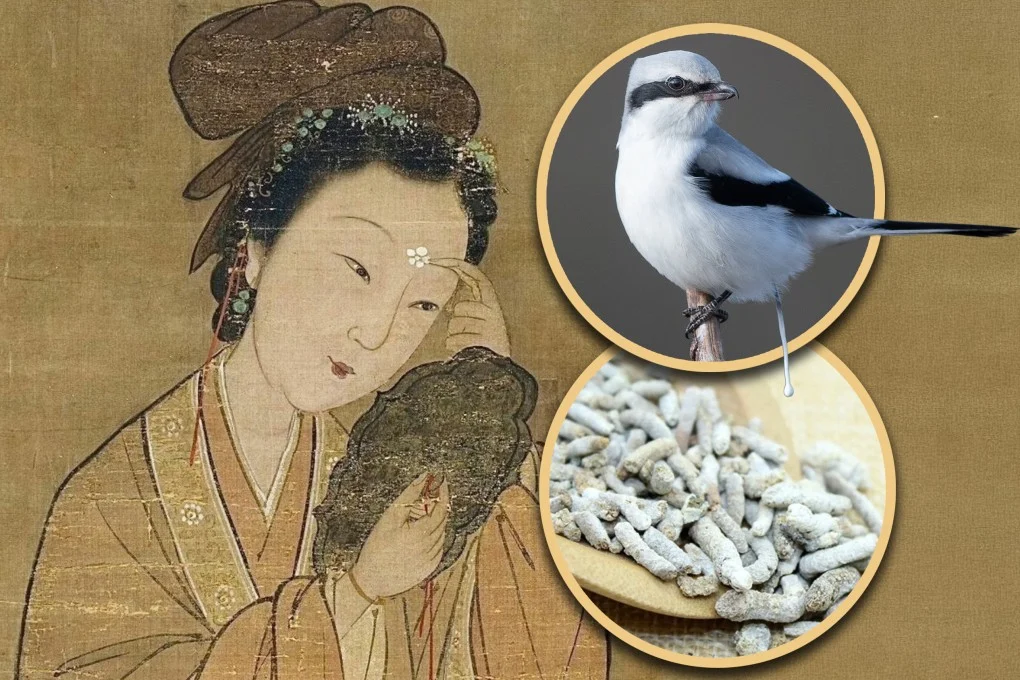
In ancient China, it was not uncommon to use animal waste as part of beauty routines, as it was considered an effective means to improve skin appearance. Empress Dowager Cixi, known for her ability to rise from a low-ranking concubine to an effective ruler, was one of the most notable figures who relied on these strange practices. Cixi ruled the Qing Dynasty from 1861 until her death in 1908, facing numerous political and social challenges.
Reports indicate that Cixi used bird droppings as part of her skincare routine, reflecting the peculiar beauty traditions that were prevalent at the time. These practices are believed to stem from a deep understanding of traditional Chinese medicine, which linked beauty with health.
Details of the Event
Empress Dowager Cixi, born in 1835, was considered a pivotal figure in Chinese history. She began her life as a concubine in the palace but managed to rise to power to become the regent of the throne. During her reign, China faced many challenges, including foreign invasions and internal revolts.
The use of bird droppings in beauty routines was not merely a tradition; it was viewed as a means to enhance overall health. At that time, women in Chinese society sought to achieve ideal beauty, and it was believed that using natural ingredients like bird droppings could help in achieving that.
Context and Background
Historically, China was considered a center of culture and arts, where many unique customs and traditions developed. During the Qing Dynasty, there were strong external influences, leading to social and cultural changes. Women at that time faced immense pressure to conform to beauty standards, driving them to use any means available to achieve that.
Bird droppings, which were used in skincare, were considered rich in nutrients, and modern studies have shown that some of these substances can be beneficial for the skin. This strange usage reflects how women of that era sought to attain beauty by any means possible.
Implications and Effects
The use of animal waste in beauty routines demonstrates how cultural habits can change over time. Today, these practices are considered strange and unacceptable in most cultures, yet they reflect a deep understanding of traditional medicine during that period. This usage also shows how women attempted to confront social challenges by utilizing what was available to them.
These practices also illustrate how beauty was sometimes viewed as a matter of life or death, as women tried to use any means to improve their appearance. This indicates the social pressures that were exerted on women during that time.
Impact on the Arab Region
Although the use of animal waste in beauty routines may seem strange to Arab cultures, there are similarities in how natural ingredients are used in skincare. In many Arab cultures, natural ingredients like olive oil and honey are used in beauty routines, showing how skincare has been and remains an important part of daily life.
Ultimately, this news highlights how customs and traditions can change over time and how women in all cultures strive for beauty in different ways. Understanding these customs can help foster cultural dialogue among peoples.