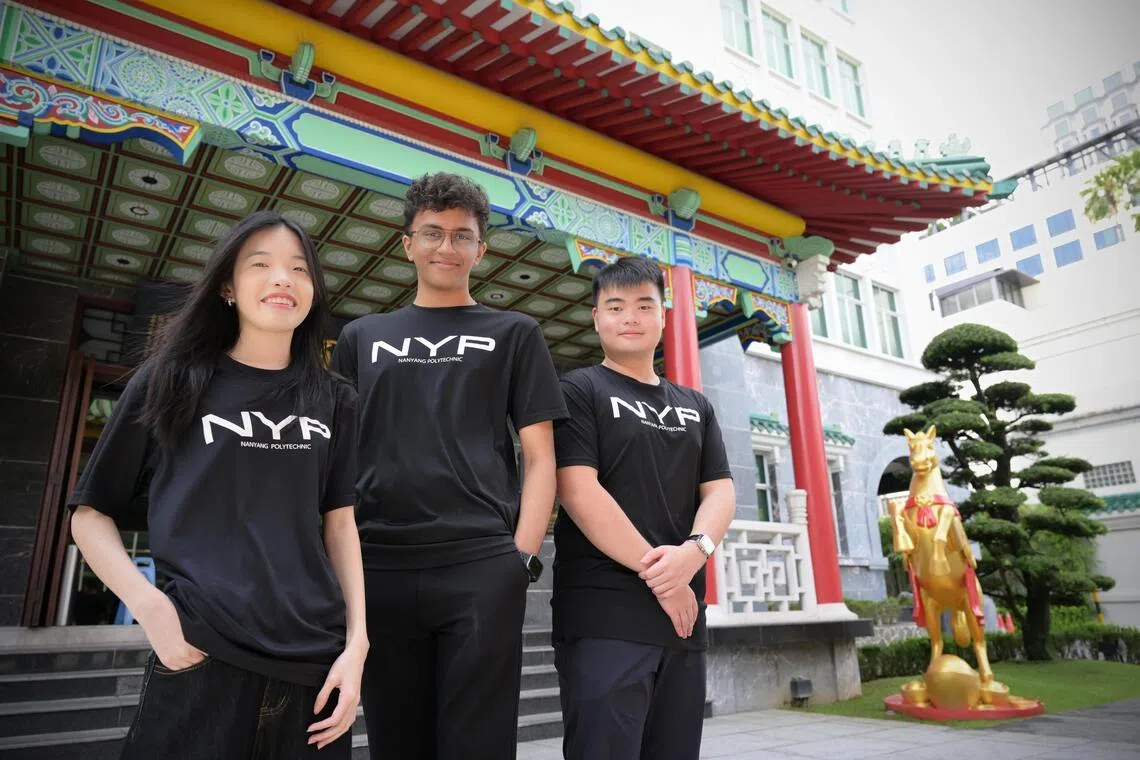
In an innovative step towards preserving cultural heritage, a team of researchers has announced the development of a new tool called ArchAIve, which employs artificial intelligence techniques to digitize historical artifacts and images in Singapore. This initiative comes at a time when the need to safeguard the collective memory of nations is increasingly urgent, especially given the rapid changes occurring worldwide.
The ArchAIve team is working on converting traditional artifacts into digital copies, making them more accessible and ensuring their preservation for future generations. This tool is not merely a means of preservation; it also serves as a bridge between the past and the present, allowing people to explore their history in an interactive and innovative way.
Event Details
The digitization process involves the use of advanced artificial intelligence techniques, enabling high-precision analysis of images and artifacts. The project aims to create a comprehensive digital library containing rich information about Singapore's history and culture. This effort aligns with the Singaporean government's vision of preserving cultural heritage and enhancing national identity.
This tool represents a significant step in the realm of digitization, as it can be utilized across various fields, from education to tourism. Visitors can now explore historical landmarks through interactive digital experiences, increasing their awareness of the country's history.
Background & Context
Singapore's history is rich in cultural and historical diversity, having been influenced by numerous different cultures over the centuries. Established as a modern state in 1965, its history dates back centuries. Efforts to preserve cultural heritage are vital in the face of globalization, which threatens to diminish cultural distinctions.
Singapore seeks to enhance its cultural identity through projects like ArchAIve, where modern technology is employed to safeguard history. This project reflects the government's commitment to promoting local culture and providing valuable educational resources for both citizens and visitors.
Impact & Consequences
The ArchAIve project serves as a model for how modern technology can be harnessed to preserve cultural heritage. This initiative could inspire other countries in the region and around the world to adopt similar methods for preserving their history and culture. It also demonstrates how innovation can play a crucial role in fostering cultural understanding and intergenerational communication.
The importance of digitization is growing in the modern world, where digital information is becoming increasingly accessible and shareable. This can enhance cultural tourism, allowing visitors to explore history in a new and exciting way.
Regional Significance
Arab countries face similar challenges in preserving their cultural heritage, with diverse cultures and histories in each nation. Singapore's experience can serve as an inspiration for Arab countries to develop similar projects aimed at digitizing cultural heritage. By utilizing technology, Arab nations can enhance their cultural identity and provide valuable educational resources for their citizens.
In conclusion, the ArchAIve project represents a significant step towards preserving history and culture, illustrating how technology can play a vital role in enhancing cultural understanding and national identity.