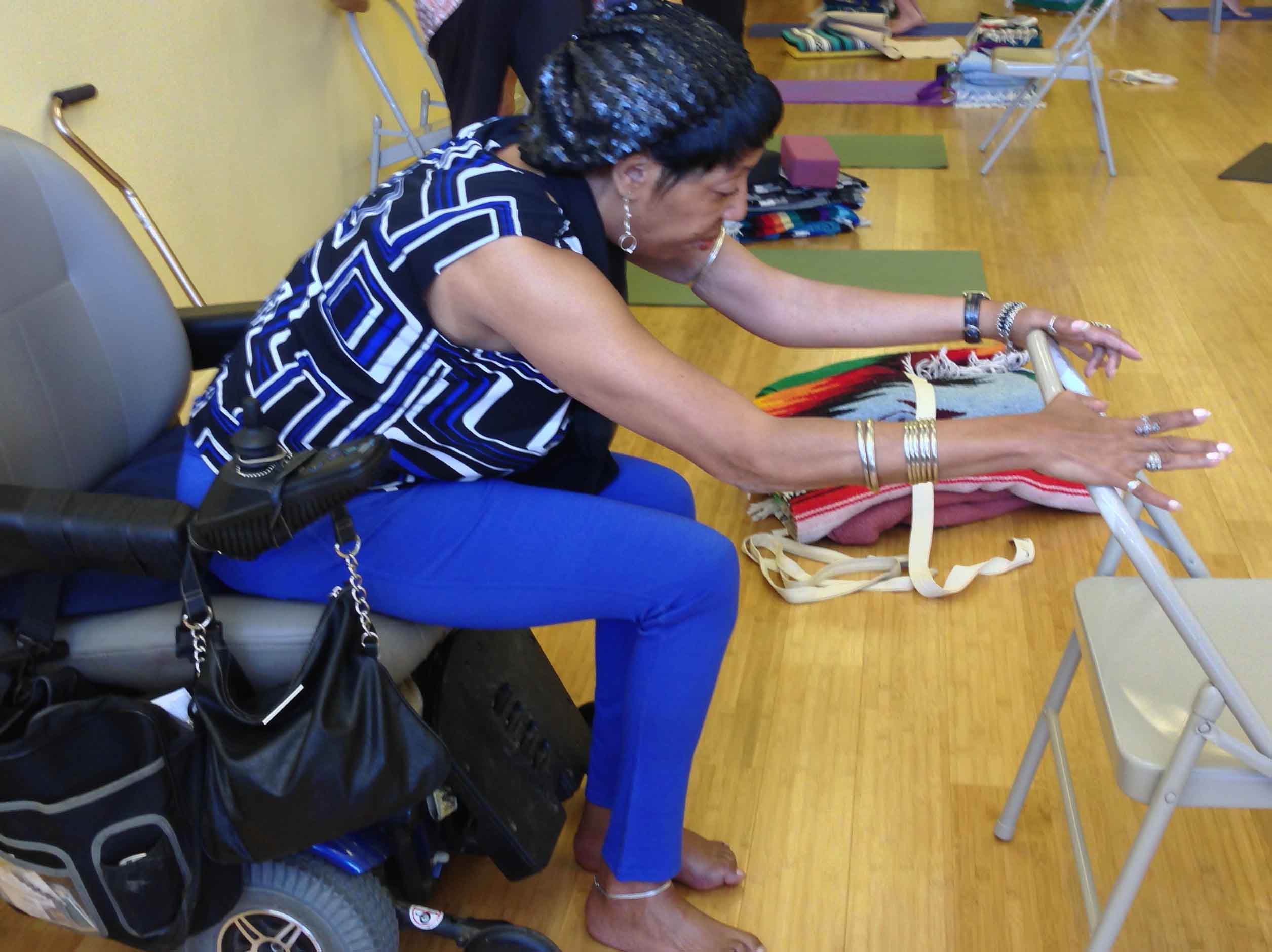
Hobbies are an essential part of individuals' lives, especially for those with disabilities, as they contribute to improving their mental health and provide spaces for self-expression. Research indicates that engaging in preferred activities can have a significant positive impact on psychological well-being, helping individuals overcome daily challenges.
There are various types of hobbies that individuals with disabilities can engage in, ranging from arts and crafts to sports and music. These activities not only enhance their personal skills but also contribute to building strong social relationships, thereby fostering a sense of belonging.
Event Details
In recent years, numerous studies have shown that hobbies play a pivotal role in enhancing the mental health of individuals with disabilities. According to a report by the World Health Organization, engaging in recreational activities can reduce levels of anxiety and depression, contributing to an overall improvement in quality of life.
Experts have also noted that hobbies help in developing new skills, which boosts self-confidence and encourages independence. For instance, artistic activities can improve fine motor skills, while sports can enhance physical fitness.
Background & Context
Historically, societies have tended to marginalize individuals with disabilities, negatively impacting their mental health. However, many initiatives have emerged in recent years aimed at integrating individuals with disabilities into society by providing opportunities for engaging in hobbies and recreational activities.
These initiatives are part of global efforts to improve the quality of life for individuals with disabilities, as hobbies represent an effective means of self-expression and communication with others. Additionally, these activities help change the negative stereotypes associated with disabilities, promoting greater acceptance within society.
Impact & Consequences
Results show that engaging in hobbies can lead to improved mental health for individuals with disabilities, reducing the need for traditional psychological therapy. Furthermore, these activities are considered an effective way to cope with psychological stress and daily challenges.
Moreover, promoting hobbies can help bridge the social gap between individuals with disabilities and others, fostering mutual understanding and respect. Therefore, supporting these activities is seen as an investment in a better future for all members of society.
Regional Significance
In the Arab region, many non-governmental and governmental organizations have begun to recognize the importance of hobbies in the lives of individuals with disabilities. Events and workshops have been organized to encourage individuals with disabilities to engage in various activities, contributing to improved mental health and skill enhancement.
These efforts are a significant step towards achieving equality and social justice, demonstrating that individuals with disabilities can be active members of society if given the right opportunities. Promoting hobbies can bring about positive changes in the lives of these individuals, contributing to building a more inclusive community.
In conclusion, the passion for hobbies serves as an effective means of psychological healing for individuals with disabilities, enhancing self-confidence and providing spaces for self-expression. Supporting these activities is a collective responsibility of society to ensure the improvement of the quality of life for all its members.