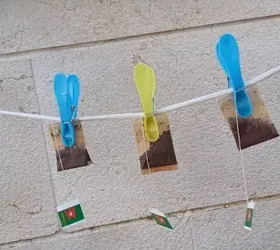
Old tea bags are materials that can be reused in innovative ways, as studies have shown they are not just waste but can have multiple benefits. Among these benefits is their use as insect repellents and fertilizers for plants, contributing to sustainable agriculture.
Tea bags contain natural ingredients that help repel insects such as ants and mosquitoes; they can be placed in areas where these pests are found. Additionally, tea bags contain nutrients beneficial for plants, making them an effective natural fertilizer.
Event Details
The uses of old tea bags are diverse, as they can also be used to improve refrigerator odors by placing them inside to absorb unpleasant smells. Furthermore, tea bags can be utilized for cleaning surfaces due to their properties that help remove stains.
Tea bags can also be used in cosmetics, serving as a face mask thanks to their antioxidant properties. These applications reflect the importance of creative thinking in reusing materials, which contributes to waste reduction.
Background & Context
Interest in sustainability and recycling has increased in recent years, with many seeking to reduce waste and improve the environment. Tea bags serve as a good example of how everyday materials can be used in new and beneficial ways. In many cultures, natural materials are used in agriculture and plant care, reflecting ancient traditions that date back thousands of years.
These uses align with global trends toward sustainable agriculture, as farmers aim to use natural materials instead of harmful chemicals. Such practices also contribute to improving soil quality and increasing productivity.
Impact & Consequences
Reusing old tea bags contributes to waste reduction and environmental improvement. By using these bags as fertilizers, reliance on chemical fertilizers that may harm soil and water can be decreased. Additionally, using tea bags as insect repellents provides natural and safe solutions for farmers.
This trend toward sustainability reflects a growing awareness of the importance of protecting the environment and encourages individuals to think about how to use materials more effectively. These practices may also open new avenues in the field of sustainable agriculture.
Regional Significance
In the Arab region, where many countries face environmental and agricultural challenges, these uses of old tea bags can be an innovative solution. Agriculture in many Arab countries faces significant challenges, such as water scarcity and soil degradation, making it essential to seek sustainable solutions.
These practices can enhance food security and improve crop quality. The use of natural materials reflects traditional Arab culture in agriculture, reinforcing cultural identity and promoting sustainability.
In conclusion, old tea bags exemplify how waste can be transformed into valuable resources. Through creative thinking and reuse, individuals and communities can contribute to environmental protection and promote sustainable agriculture.