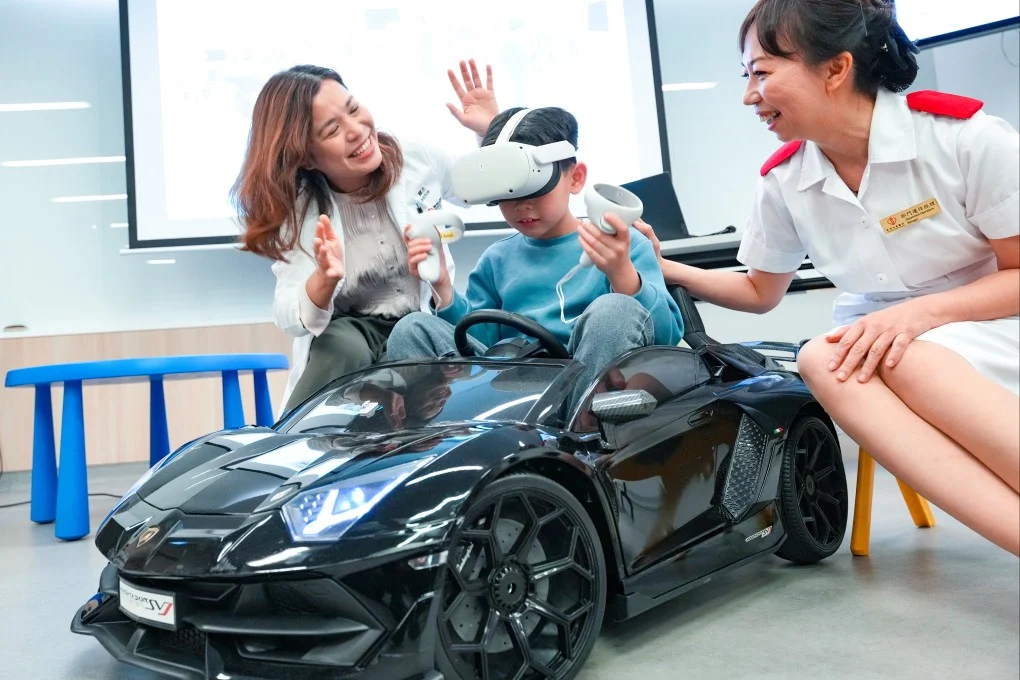
In an innovative effort aimed at alleviating children's fears before surgical procedures, the Children's Hospital in Hong Kong has adopted virtual reality technology, helping children better understand medical procedures. Eight-year-old Eden was experiencing severe anxiety before his scheduled surgery, but everything changed dramatically after he used virtual reality goggles.
Through a cheerful panda character, the program provided him with valuable information about what to expect during the surgery. The program allowed him to explore the hallways and examine the operating room, as well as choose the colors of the medical staff's attire and the method of anesthesia, including the flavor of the anesthetic he would receive.
Details of the Initiative
This initiative is part of the Children's Hospital in Hong Kong's efforts to create a more comfortable environment for children facing potentially frightening medical procedures. By using virtual reality, children can safely and enjoyably familiarize themselves with the hospital environment, which helps reduce anxiety and stress.
The interactive experience also includes information about how the surgery will be performed, giving children a sense of control over the situation. This method not only helps alleviate fears but also enhances children's understanding of what is happening around them, facilitating communication between doctors and young patients.
Background & Context
Virtual reality technology is one of the latest innovations in the healthcare sector, having been utilized in several fields, including psychological therapy and rehabilitation. In recent years, hospitals worldwide have begun exploring how to use this technology to improve patient experiences, especially for children.
Historically, children have suffered from feelings of anxiety and fear before surgical procedures, negatively impacting their medical experience. With advancements in technology, it has become possible to use tools like virtual reality to change this reality and improve health outcomes.
Impact & Consequences
The use of virtual reality can have significant positive effects on children's mental health. By reducing anxiety, this can lead to improved surgical outcomes and a decreased need for sedative medications. Furthermore, this approach enhances the patient experience, making them more willing to cooperate with medical staff.
Moreover, this experience could serve as a model for other hospitals around the world. If this initiative proves successful, it may encourage more healthcare institutions to adopt similar technologies to enhance patient care.
Regional Significance
This initiative contributes to improving children's experiences before surgical procedures, helping to reduce their anxiety and stress levels. The successful implementation of such technology could lead to broader acceptance and integration of virtual reality in pediatric care across various regions.
In conclusion, the Children's Hospital in Hong Kong's use of virtual reality represents a significant step forward in pediatric healthcare, potentially transforming how children perceive and experience surgical interventions.