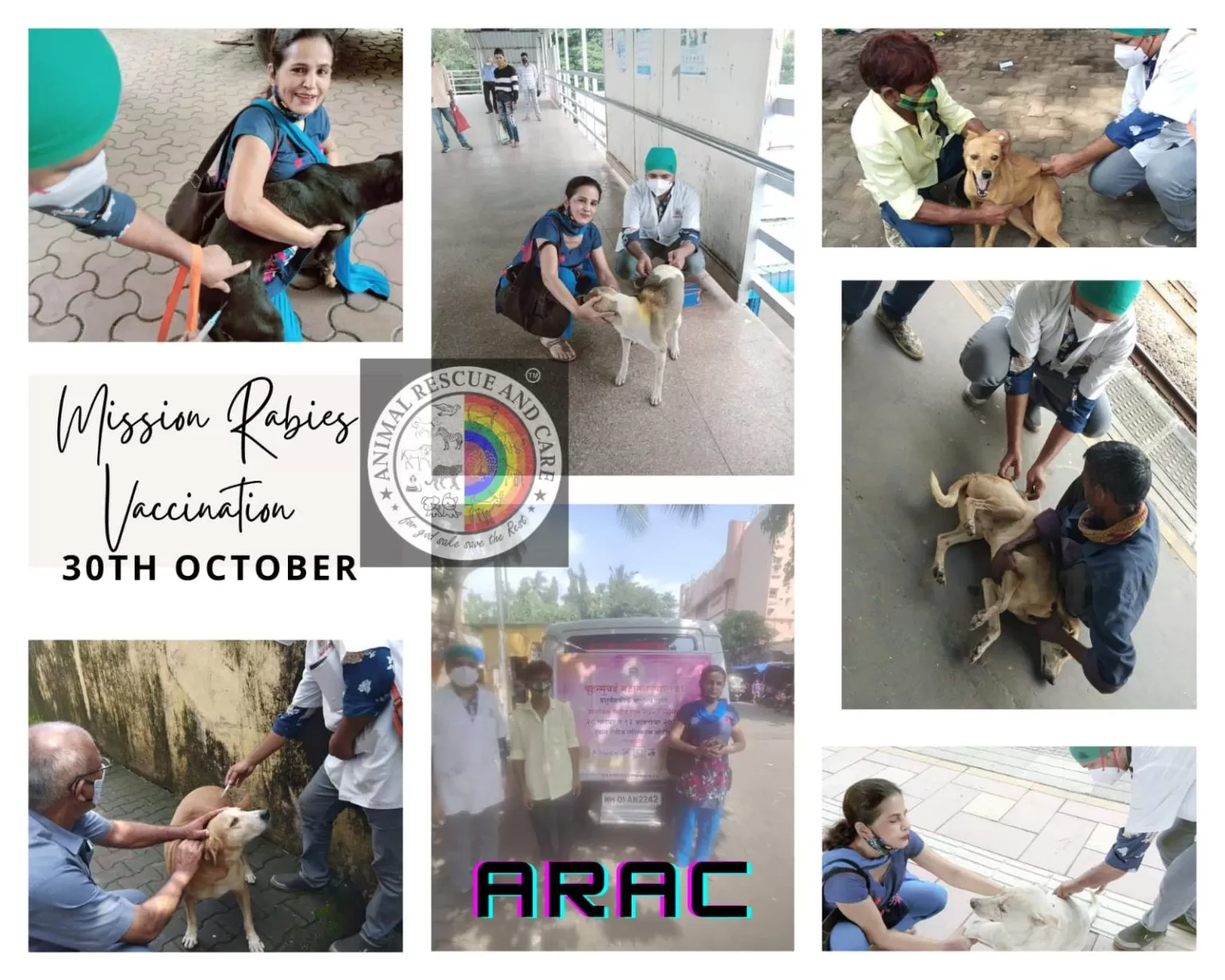
The Veterinary Medicine Directorate in Aswan has successfully vaccinated 1234 dogs against rabies as part of a campaign aimed at enhancing public health and protecting the community from the dangers of this deadly disease. This step comes at a time when concerns about the spread of rabies are increasing, as it is one of the fatal diseases that can be transmitted to humans.
The vaccination campaign is part of the Egyptian government's efforts to combat animal diseases, executed in collaboration with civil society organizations and health authorities. The campaign covered multiple areas in Aswan, where necessary vaccines were provided, and citizens were educated on the importance of vaccination.
Details of the Event
The vaccination process took place over several days, with strategic locations designated for dog vaccination. Dr. Mohamed Abdel Aal, the Director of Veterinary Medicine in Aswan, indicated that the campaign targeted both stray and owned dogs to reduce the risk of rabies spread in the area. Information was also provided to citizens on how to deal with infected or suspicious dogs.
This campaign is part of a comprehensive national plan to combat rabies, with clear objectives set to reduce the number of human cases and infections among animals. Citizens have responded positively to the campaign, with many bringing their dogs for vaccination.
Background & Context
Rabies is a serious viral disease that affects the central nervous system and is typically transmitted through bites from infected animals. In Egypt, there have been previous cases of rabies that led to fatalities, prompting the government to take stringent measures to combat this disease. Similar vaccination campaigns have been launched in several governorates over the past years.
The importance of these campaigns has increased in light of the health challenges facing the country, particularly with the spread of animal diseases that may impact human health. These efforts are part of a broader strategy aimed at enhancing health awareness and improving environmental conditions.
Impact & Consequences
The dog vaccination campaign against rabies contributes to reducing the risk of disease spread, reflecting the Egyptian government's commitment to protecting citizens' health. These efforts also enhance trust in the local health system and contribute to raising awareness about the importance of vaccination.
This campaign is expected to lead to a significant decrease in the number of rabies cases, thereby improving the quality of life in the community. Additionally, the success of the campaign may encourage the implementation of further health initiatives in the future.
Regional Significance
The Aswan experience serves as a model for other Arab countries facing similar challenges in combating animal diseases. Countries can benefit from exchanging experiences and best practices in vaccination and health awareness.
Enhancing public health through such campaigns contributes to building safer and healthier communities, positively impacting sustainable development in the region.
In conclusion, the dog vaccination campaign against rabies in Aswan represents an important step towards enhancing public health and underscores the importance of cooperation between government entities and civil society in addressing health challenges.