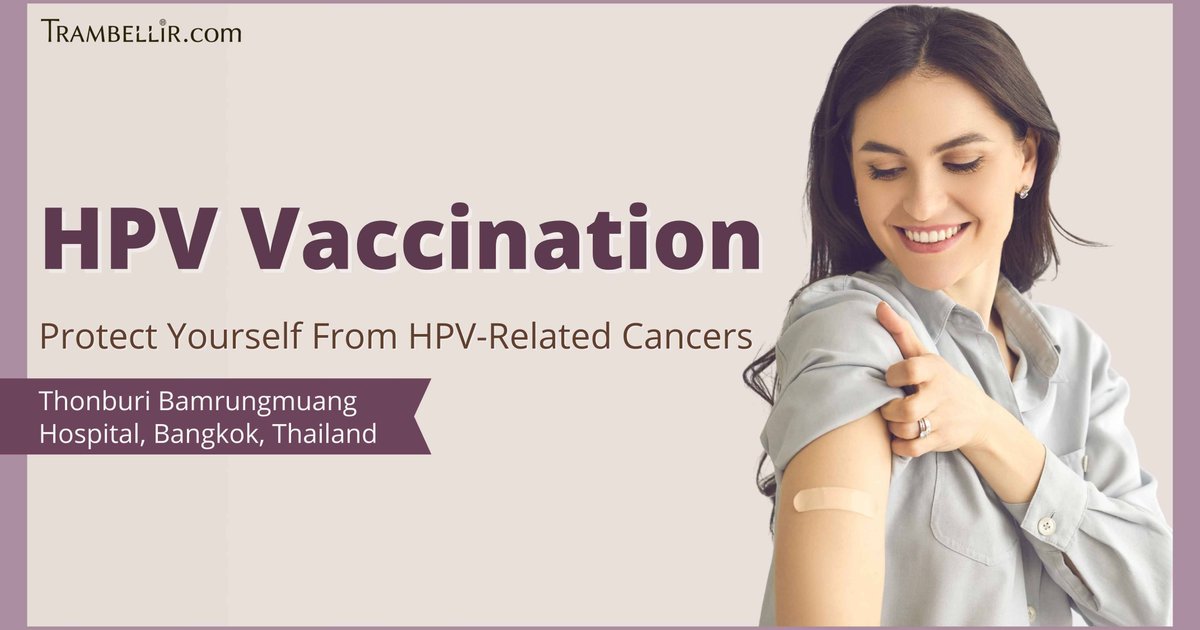
In a significant step to combat cervical cancer, 190 citizens in the city of Bogor, Indonesia, received vaccinations against the human papillomavirus (HPV). This event, organized by the National Agency of Drug and Food Control in collaboration with the Indonesian Cancer Society, aims to reduce mortality rates from this disease. The vaccination was carried out at the Agency's Laboratory Building in Bogor on Friday.
Janal Motaqin, the Deputy Mayor of Bogor, stated that this initiative represents a tangible step towards reducing the mortality rate from cervical cancer, emphasizing the importance of increasing community awareness about early prevention of this disease. He confirmed that approximately 37,000 new cases are recorded annually in Indonesia, highlighting the urgent need for effective measures.
Event Details
Motaqin explained that cervical cancer is one of the leading causes of death in Indonesia, with the country recording about 20,700 deaths each year, which translates to an average of 56 deaths per day. He stressed the necessity of intensifying efforts in health awareness and education, as cervical cancer is often not detected in its early stages.
Jevita Pradiko Putra, the head of the National Agency of Drug and Food Control in Bogor, noted that vaccination against HPV is a real step towards reducing deaths caused by cervical cancer, especially in the Bogor area. He assured that the vaccine used meets health safety standards.
Background & Context
Indonesia faces significant challenges in public health, with cervical cancer being a disease that requires special attention. According to statistics, West Java, where Bogor is located, has seen a notable increase in cancer cases, with 3,941 cases recorded in 2021.
In 2025, 1,951 cases of cancer were reported in Bogor, reflecting the urgent need for vaccination and awareness programs. Breast cancer and cervical cancer are among the most common types affecting women in the region.
Impact & Consequences
This initiative demonstrates the importance of collaboration between government entities and civil society in addressing health challenges. Vaccination against HPV not only helps reduce infection rates but also enhances health awareness among citizens regarding the importance of regular screenings and health education.
This step is part of a broader government program that includes providing one million vaccines against cervical cancer for government employees, reflecting the Indonesian government's commitment to improving public health.
Regional Significance
Indonesia's experience in combating cervical cancer serves as a model for Arab countries, many of which face similar public health challenges. Arab nations can benefit from these initiatives by enhancing vaccination and health awareness programs.
In conclusion, vaccination against HPV is a crucial step towards improving public health and reducing deaths from cervical cancer. It is essential to continue efforts in this direction to ensure a healthier future for all.