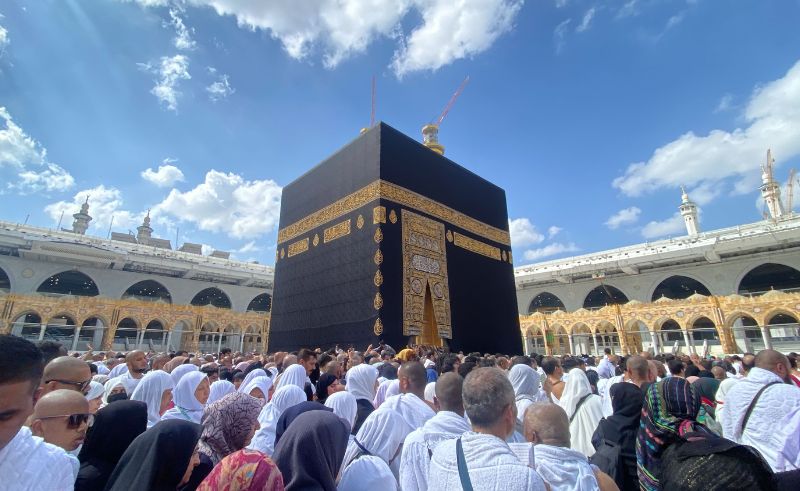
The Saudi Ministry of Health has announced a set of vaccinations and health measures that pilgrims must follow before traveling to Mecca to perform Hajj in 2026. This step is part of the Kingdom's efforts to ensure the health and safety of pilgrims, especially in light of the global health challenges faced in recent years.
The list of required vaccinations includes the meningococcal vaccine, which is mandatory for all pilgrims. The ministry also emphasized the importance of receiving the influenza vaccine, particularly for individuals with chronic health conditions. Additionally, pilgrims are advised to ensure they have received the COVID-19 vaccine to guarantee their safety and that of others during the pilgrimage period.
Details of the Health Measures
The Ministry of Health aims to provide the best health services to pilgrims, having prepared a comprehensive health list that includes tips and guidelines on how to maintain health while performing the rituals. These guidelines highlight the importance of drinking sufficient water, avoiding direct exposure to sunlight, and wearing masks in crowded places.
The ministry also stressed the necessity of conducting required medical examinations before travel and ensuring that pilgrims are free from any infectious diseases. It is also advisable to obtain health insurance that covers any emergencies that may occur during the pilgrimage.
Background & Context
Historically, Hajj seasons have faced numerous health challenges, with infectious diseases posing a significant threat to pilgrims. Therefore, Saudi Arabia has developed integrated health strategies aimed at protecting pilgrims and ensuring their safety. In recent years, these strategies have been further enhanced due to the COVID-19 pandemic, leading to the establishment of new health standards.
Hajj is considered one of the largest human gatherings in the world, with millions of pilgrims arriving from various countries. Thus, implementing these health measures is essential to maintain the health of everyone involved.
Impact & Consequences
These health measures come at a critical time, as many pilgrims are eager to perform Hajj after a hiatus of several years due to the pandemic. Adhering to vaccinations and health measures will help reduce health risks, positively enhancing the Hajj experience.
The impact of these measures also extends to the countries sending pilgrims, as they contribute to raising health awareness among citizens and encourage them to take necessary precautions before traveling. This reflects Saudi Arabia's commitment to the health of pilgrims and enhances its reputation as a safe religious destination.
Regional Significance
Hajj symbolizes Islamic unity, and any changes in Hajj procedures directly affect Arab and Islamic countries. Enhancing public health during Hajj contributes to strengthening relationships among Islamic nations, as pilgrims from different nationalities share a single religious experience.
Moreover, adherence to health measures reflects the ability of Arab countries to face global health challenges, thereby enhancing their status in the international community.
In conclusion, the list of vaccinations and health measures announced by the Saudi Ministry of Health is a significant step towards ensuring the safety of pilgrims. Compliance with these measures will enhance the Hajj experience and reflect the Kingdom's commitment to the health of its visitors.