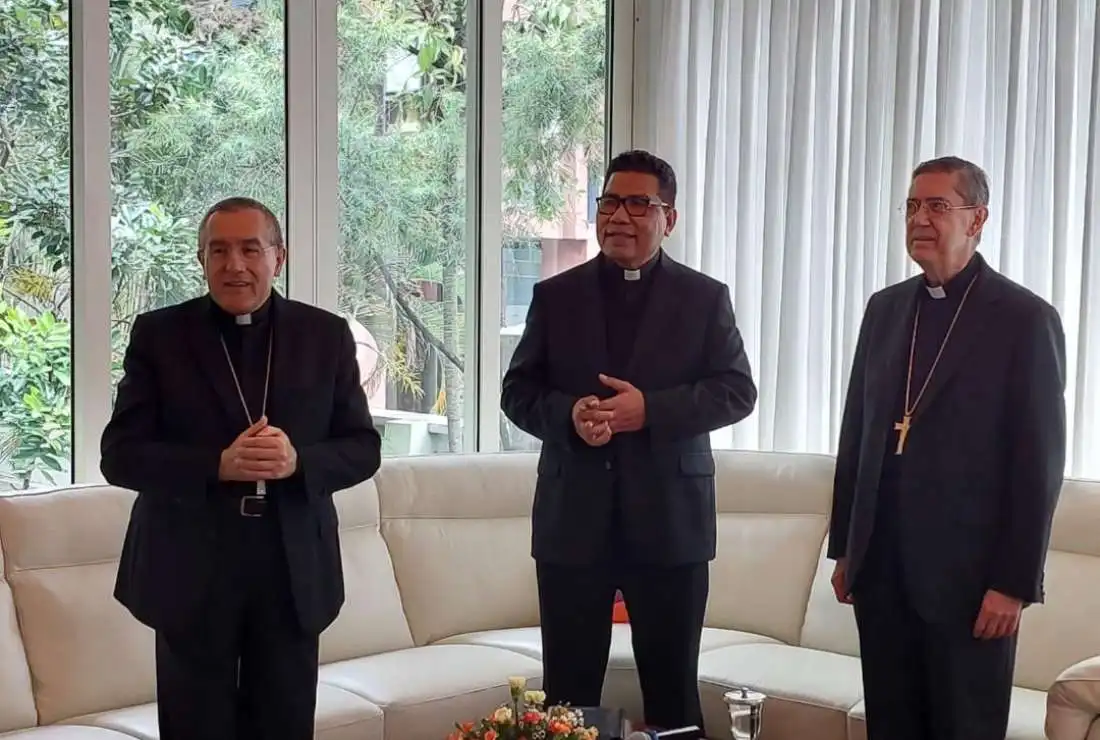
In a historic move aimed at enhancing communication with the Catholic community in Indonesia, the Vatican has announced the addition of the Indonesian language to its media services through its official portal. The agreement was signed on March 25, 2026, between the Chairman of the Social Communications Commission of the Indonesian Bishops' Conference, Bishop Agustinus Tri Budi Utomo, and the Head of the Vatican Communications Department, Dr. Paolo Ruffini, in the presence of the Indonesian Ambassador to the Vatican, Michael Trias Kuncahono.
This step comes as part of the Vatican's efforts to expand its outreach to Catholic believers in Indonesia, which is home to approximately 12 million Catholics, making it an important community in the global Catholic landscape.
Event Details
The Vatican news portal, which integrates with Vatican Radio and L’Osservatore Romano, features diverse content that includes news, religious information, and cultural insights. By adding the Indonesian language, the Vatican aims to provide content that aligns with the culture and language of the Indonesian community, making it easier for believers to access religious information in a more familiar and comfortable manner.
This initiative is also seen as an acknowledgment of the importance of language as a means of effective communication. Utilizing the native language in conveying religious messages enhances the sense of belonging and connection to the religious institution.
Background & Context
Historically, the Vatican is considered a global spiritual center for Catholic Christians and works to enhance communication with Catholic communities around the world. Indonesia, the largest Muslim-majority country by population, boasts significant cultural and linguistic diversity, with its residents speaking over 700 local languages. The Indonesian language, recognized as the national language, plays a vital role in unifying this diversity.
In recent years, the Catholic Church in Indonesia has witnessed notable growth, making it one of the most dynamic Catholic communities in Asia. However, many believers have faced challenges in accessing religious information due to language barriers, making this step by the Vatican essential.
Impact & Consequences
The inclusion of the Indonesian language in Vatican media services is a strategic move aimed at promoting inclusivity and integration. By using the local language, the Vatican demonstrates its commitment to effective communication with Catholic communities, thereby enhancing the sense of belonging and connection to the religious institution.
Moreover, this shift is part of a global trend towards tailoring media content to fit local cultures. In a world characterized by diversity, employing the local language is an effective way to capture attention and build strong relationships with the audience.
Regional Significance
While the Vatican focuses on enhancing communication with Catholic communities in Indonesia, this step could serve as a model for the Arab region. Christian communities in Arab countries face similar challenges in accessing religious information in their local languages. This model could inspire the Vatican and other churches in the region to adopt similar strategies to enhance communication with believers.
In conclusion, the Vatican's decision to add the Indonesian language to its media services reflects a strong commitment to effective and inclusive communication with Catholic communities. This move is not merely a linguistic addition but a demonstration of respect for local culture and a desire to build bridges of communication with believers worldwide.