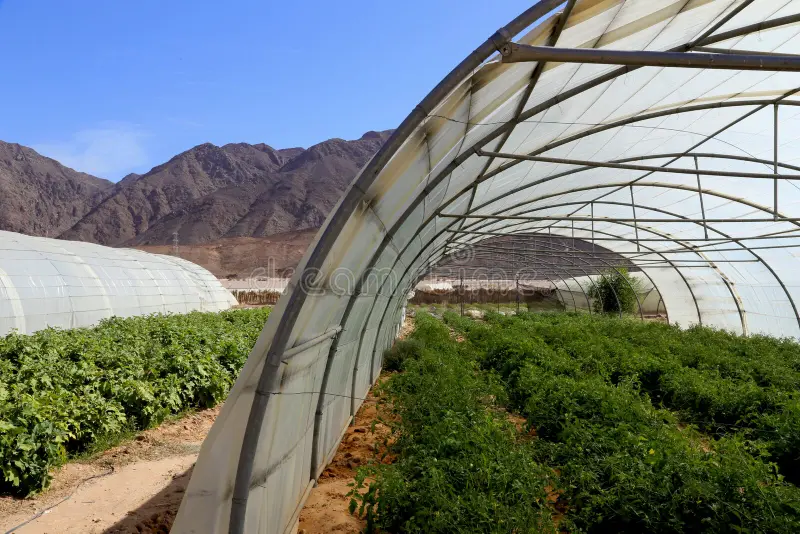
Vegetable and fruit prices in North Sinai have seen a significant increase, with tomatoes reaching 40 EGP per kilogram. This rise comes amid challenging economic conditions affecting citizens' purchasing power, exacerbating their daily struggles.
Reports indicate that prices of other vegetables have also risen, with potatoes priced at 15 EGP and onions at 12 EGP. Meanwhile, fruit prices have remained relatively stable, with bananas at 20 EGP and apples at 25 EGP.
Details of the Price Increase
These price increases occur at a time when citizens are facing mounting economic pressures, as the cost of living has generally risen. Some traders attribute this increase to higher transportation and production costs, along with a shortage of certain crops due to unstable weather conditions.
In conversations with several market vendors, they confirmed that the demand for vegetables and fruits remains high despite the price hikes. They noted that some families have started to buy smaller quantities of vegetables to reduce expenses.
Background & Context
Historically, vegetable and fruit prices in Egypt have experienced significant fluctuations, especially during times coinciding with economic crises or natural disasters. Political and economic crises have impacted agricultural production, leading to shortages of certain crops and subsequent price increases.
In recent years, the Egyptian government has attempted to take measures to curb rising prices, such as supporting farmers and providing essential goods at reduced prices. However, challenges persist, as farmers face difficulties accessing markets due to inadequate infrastructure.
Impact & Consequences
The rise in vegetable and fruit prices directly affects citizens' lives, forcing many to reduce their consumption of these essential goods. This increase may also lead to higher poverty rates, particularly in rural areas where many residents rely on agriculture as their primary source of income.
Moreover, rising prices could impact the local market overall, potentially leading to decreased demand for other goods, which negatively affects the national economy. Under these circumstances, citizens require greater government support to confront these challenges.
Regional Significance
Egypt is one of the largest agricultural producers in the Arab region, and any changes in food prices may affect neighboring markets. In recent years, many Arab countries have experienced rising food prices, sometimes leading to public protests.
The increase in vegetable and fruit prices in Egypt may raise concerns among neighboring countries, as many of these nations depend on imports from Egypt. Therefore, price stability in Egypt is vital for maintaining market stability in the region.
In conclusion, as vegetable and fruit prices continue to rise in North Sinai, citizens remain vigilant about what the coming days will bring. The government needs to take urgent steps to support the most affected groups from these increases to ensure price stability and improve living standards.