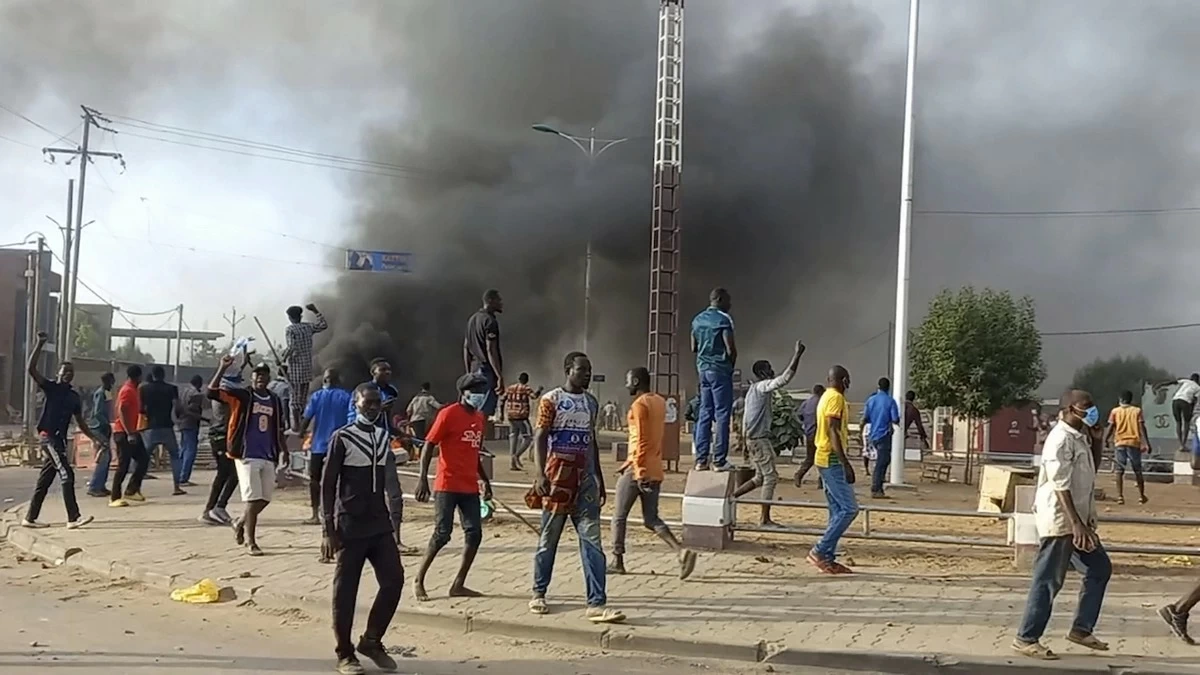
A violent clash in the village of Igouti in the Wadi Fira region of eastern Chad resulted in the deaths of 42 individuals and injuries to 10 others, according to official media reports. The incident occurred last Saturday when a personal dispute between two individuals over a water resource escalated into widespread clashes between two local groups, leading to bloody confrontations.
Chad's Deputy Prime Minister, Layman Mohammed, who led a government delegation to the scene of the incident, confirmed that the final toll reached 42 dead and 10 injured, noting that the injured were transferred to hospitals. He added that the situation is now under control and expressed his condolences to the families of the victims.
Details of the Incident
Tribal or community clashes are common in many areas of Chad, often arising from disputes over natural resources such as land, water, and grazing areas. The recent incident reflects the fragility of the security and social conditions in the region, where clashes erupted due to a disagreement between two families over a water resource before expanding to involve larger groups.
Such disputes are recurrent in Chad, where previous reports from the International Crisis Group indicated that resource conflicts have resulted in the deaths of over 1000 people and injuries to around 2000 others between 2021 and 2024, particularly in the eastern regions of the country.
Background & Context
Chad faces significant challenges in managing local conflicts, especially given the limited resources and lack of sustainable solutions. These conditions make any minor disagreement susceptible to escalating into widespread bloody conflict, increasing the suffering of local populations.
The country has a long history of tribal conflicts, with tribes competing for water and other natural resources. These disputes exacerbate humanitarian conditions and complicate efforts for development and stability in the region.
Impact & Consequences
The recent incident underscores the urgent need for effective conflict management strategies in Chad. The absence of sustainable solutions exacerbates security conditions, threatening stability across the entire region.
These circumstances require immediate intervention from the government and the international community to ensure the protection of civilians and provide necessary support to those affected by conflicts. Efforts must also be made to promote dialogue between tribes and local communities to prevent the recurrence of such tragic incidents.
Regional Significance
The events in Chad serve as an indicator of the challenges faced by many Arab countries in managing local conflicts. Conflicts over natural resources are not limited to Chad alone but extend to other regions in the Arab world, necessitating regional cooperation to address these issues.
This incident highlights the importance of promoting stability and sustainable development in the region, as conflicts impact regional security and increase tensions between countries. There must be joint efforts to enhance peace and security in the area.