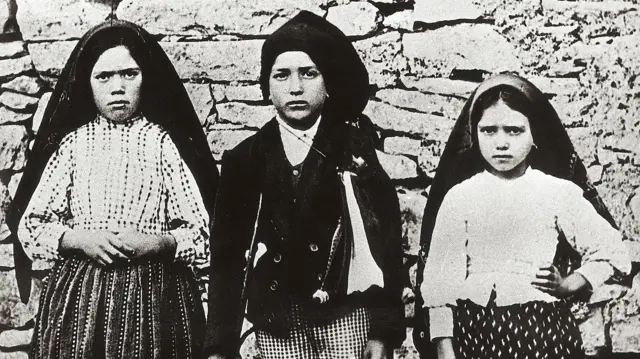
In May 1917, the Portuguese town of Fatima witnessed a historic event when three children claimed to have seen the Virgin Mary in a meadow. This occurrence was not merely a religious vision; it became a symbol of the anti-communist sentiments that were spreading during the Cold War.
The children, who were quite young, reported their spiritual experiences at a time when Europe was grappling with the aftermath of World War I. This vision garnered significant attention, as many viewed it as a prophecy carrying messages of hope and peace amidst chaos.
Details of the Event
The children spoke of the Virgin Mary's appearances on several occasions, reporting messages related to prayer and repentance. These messages had profound effects on Portuguese society, leading crowds to gather in Fatima to honor this event. In the years that followed, Fatima became an important religious and tourist destination, attracting millions of believers.
In the context of the Cold War, these prophecies were used to bolster anti-communist sentiments, as some viewed them as evidence that faith could serve as a weapon against the communist regimes promoting atheism. This context contributed to shaping public opinion in many European countries.
Background & Context
The events in Fatima occurred during a time when Europe was suffering from political and social divisions. After World War I, many countries experienced instability, prompting people to seek hope in religions. During this period, communism was rising as a political force, raising concerns among many Western nations.
The prophecies that emerged in Fatima were not merely religious events; they were part of a larger movement concerning cultural and religious identity in Europe. They helped foster national spirit in Portugal and influenced how people viewed politics and communism.
Impact & Consequences
The Fatima prophecies impacted numerous religious and political movements worldwide. Religious leaders used them to promote their messages against communism, contributing to shaping public opinion in various countries. They also helped strengthen Catholic identity in Portugal, being seen as a symbol of hope in the face of challenges.
On an international level, these prophecies became part of the anti-communist discourse, with many political leaders using them to justify their stances against communist regimes. This influence was not limited to Portugal but extended to other countries in Europe and Latin America.
Regional Significance
While the events of Fatima may seem distant from the Arab context, their influence extends to how religion and politics are understood globally. In many Arab countries, religion and politics remain closely intertwined, making it essential to study how historical events affect public opinion.
Moreover, the political conflicts in the Arab region reflect some of the tensions experienced in Europe during the twentieth century, highlighting the necessity of understanding these historical dynamics.
In conclusion, the Fatima prophecies remain a symbol of hope and challenge against political systems, continuing to influence how religion and politics are perceived worldwide.