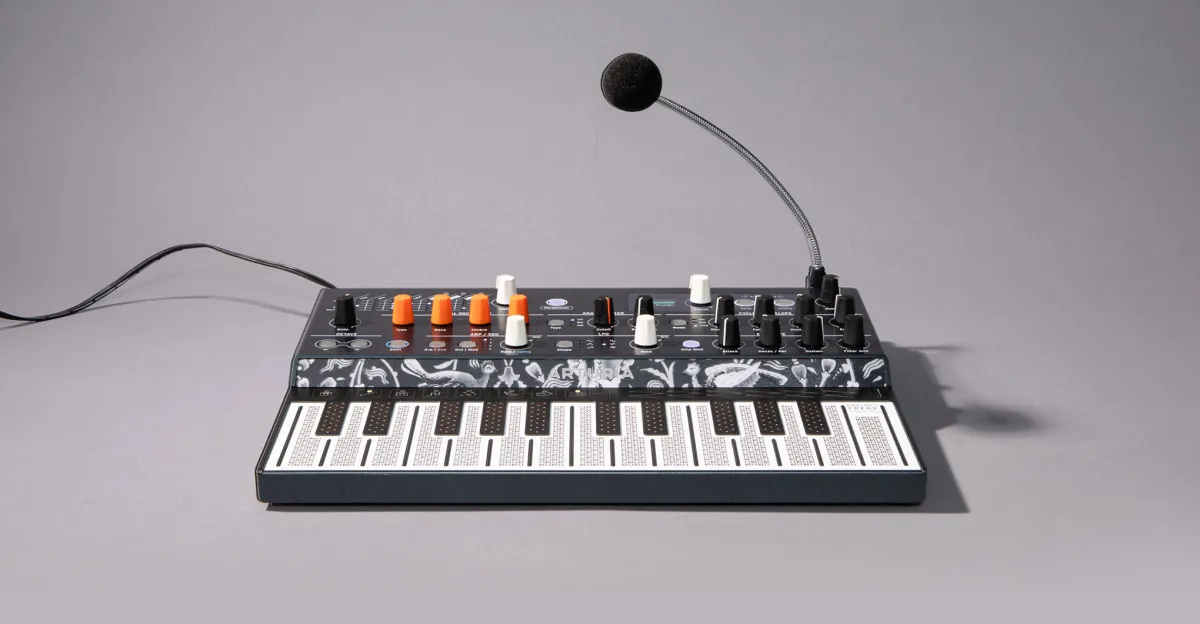
In the world of music, the quest for new sounds and a unique artistic identity has always been essential to artists' journeys. Yet, few know that this journey would not be as it is today without the emergence of an unexpected technology in the early 20th century: the vocoder. This technology, which originated from Bell Labs with the development by engineer Homer Dudley, was initially aimed at solving issues in telephone communications over copper wires but quickly evolved into a revolutionary tool that fundamentally changed the course of music.
Initially designed in pursuit of creating a system to enhance the quality of telephone calls by capturing and artificially generating human sounds, the actual uses of this technology developed in unexpected ways. During World War II, the vocoder was used to secure communications between military leaders, giving a strategic advantage to the party that possessed this technology in managing secret military operations.
After the war, the vocoder began to make its entry into the music world. Artists soon discovered that they could use this tool to slice and reshape sounds, leading to the creation of entirely new patterns of musical expression. It wasn't long before it captivated musicians worldwide, and over time, it became an integral part of numerous musical genres, including electro, pop, and hip-hop.
Understanding the historical context of vocoder technology is crucial, as it coincided with significant social and cultural shifts in the 20th century, from the rise of electronic music to the openness to new methods of artistic expression. These changes were accompanied by shifts in perception regarding technology and its role in the arts, contributing to enhanced creativity and experimentation in musical innovation.
Regarding the implications of this technology in the artistic arena, the vocoder was not just a tool but the start of a broader phenomenon reflecting the increasing intersection between technology and art. New technologies like Auto-Tune and Talkbox have been significantly influenced by the vocoder, indicating that these technological advancements continue to shape contemporary creative trends. This shift reflects a change in the music production model, as most artists today use technology daily, redefining the modern electronic artist.
In the context of the Arab region, the impact of the vocoder can be observed in some new musical styles highlighted by Arab artists who seek to integrate technology into their work. Perhaps the most apparent example is the use of the vocoder in modern Arabic music that blends traditional and contemporary elements. This suggests that the impact of technology on the arts is not limited to the West but also influences the Arab world, reflecting the interplay of cultures and the integration of diverse styles into new artistic works.
While the vocoder began as a technical innovation, it has managed to write a new chapter in music history and is likely to continue igniting the spirit of creativity among artists and musicians across generations.
In conclusion, the vocoder is more than just a musical tool; it symbolizes humanity's commitment to innovation and experimentation. As technology continues to evolve, the question remains: what comes after the vocoder?