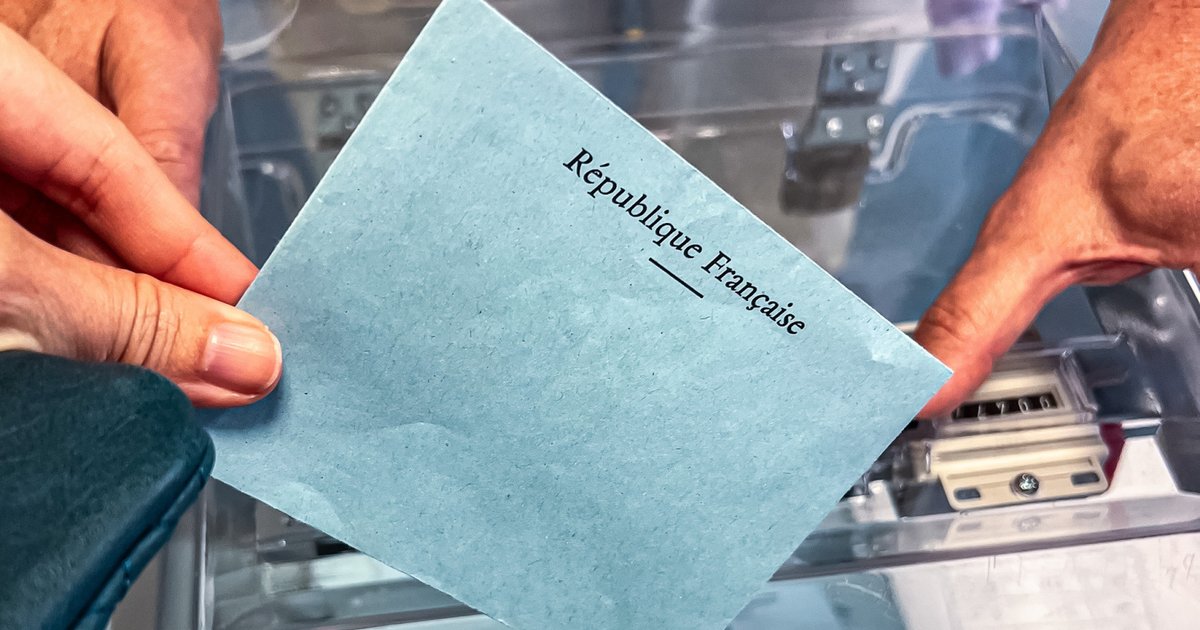
The French authorities have issued a new call for "voters to head to the polling stations" in 1,526 municipalities, marking the second round of municipal elections that are part of the country’s democratic process. This round follows a week after the initial election, where some results remained undecided, compelling voters to reconsider their options after initial results revealed significant concerns in various regions.
The electoral scene in France is markedly tense, as voters in several cities are urged to respond to the call of democracy during a time characterized by political polarization. According to reports, the results of the second phase of the voting are expected to be released around 8 PM. This election is considered a true test for many parties politically, reflecting the significant impact of voters at all levels.
Municipal elections in France hold particular importance, as they reflect the political and social differences between various regions. Historically, these elections have always mirrored voter trends in the country, specifically their satisfaction with local and national policies. It has become essential for political parties to navigate the daily challenges posed by a range of factors, including the economic and health crises that have swept the nation in recent years.
This election is receiving widespread media attention, as political analysts await the potential implications of its results on the French political landscape and possibly on the European level as well. In recent years, new groups have emerged in the political arena, increasing competition between traditional parties and far-right parties, which may affect the priorities of the French populace.
Moreover, many scholars expect that the results of this election will impact the French government and its relationship with the European Union in light of growing crises such as migration and climate change.
The municipal elections represent an opportunity to renew trust between local government and citizens, as most voters seek to elect representatives who truly reflect their needs and aspirations. In this context, it is essential to understand how such electoral processes contribute to enhancing the democratic process in the country and how they highlight the idea of community participation in decision-making.
The anticipated results today could have a significant impact on the upcoming elections and on how political power is distributed, which is why municipal elections are deemed crucial not only at the local level but also on the international stage.