Professor Tri Basuki Juyono, a public transportation expert and head of Katolik Parahyangan University, has called on Indonesian citizens to exercise patience as they await the results of the investigation being conducted by the National Transportation Safety Committee (KNKT) into the train collision that took place in Bekasi, West Java, on Monday, April 27, 2026.
Juyono emphasized that the investigation's findings will be crucial in identifying the true causes of the accident, enabling relevant authorities to propose effective solutions to potential issues that may arise in the future. He highlighted the importance of comprehensive solutions that go beyond merely addressing the superficial symptoms of the problem.
Details of the Incident
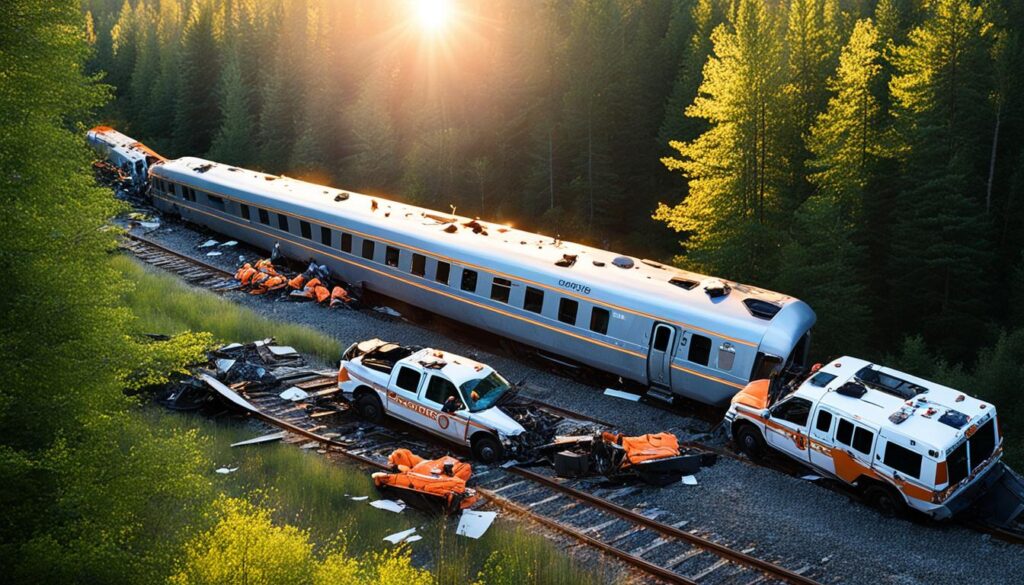
The accident occurred when an electric train (KRL) numbered 5181 collided with a taxi at a railway crossing near Bulak Kapal in Bekasi. As a result, the train heading towards Cikarang came to a halt, but the long-distance train Argo Bromo Anggrek, which connects Jakarta and Surabaya, crashed into the stopped train, leading to several carriages being breached.
According to data from the Jakarta Metro Police, the accident resulted in the deaths of 15 individuals as of the evening of Tuesday, April 28, raising widespread concerns about public transportation safety in the country.
Background & Context
Railway accidents in Indonesia are a recurring issue, with the transportation system suffering from problems related to infrastructure and the technologies employed. In recent years, the country has witnessed several similar incidents, prompting the government to take steps to enhance safety.
In this context, President Prabowo Subianto announced a budget allocation of up to 4 trillion rupiah to improve 1,800 railway crossing points on the island of Java. Additionally, the construction of an overpass in Bekasi has been approved to reduce future accidents.
Impact & Consequences
This incident serves as a wake-up call for the Indonesian government, necessitating a comprehensive review of the public transportation system. Authorities must work on improving infrastructure and enhancing safety standards to ensure that such accidents do not recur.
The accident also reflects the urgent need to raise public awareness about the importance of adhering to traffic rules when crossing railways, a point emphasized by many transportation experts.
Regional Significance
Transportation accidents are a global issue, with many countries facing similar challenges. Arab nations can learn from Indonesia's experiences in improving transportation systems and enhancing public safety, especially in light of the increasing population growth.
In conclusion, all stakeholders must collaborate to provide effective and comprehensive solutions to ensure the safety of citizens and prevent the recurrence of such unfortunate incidents.