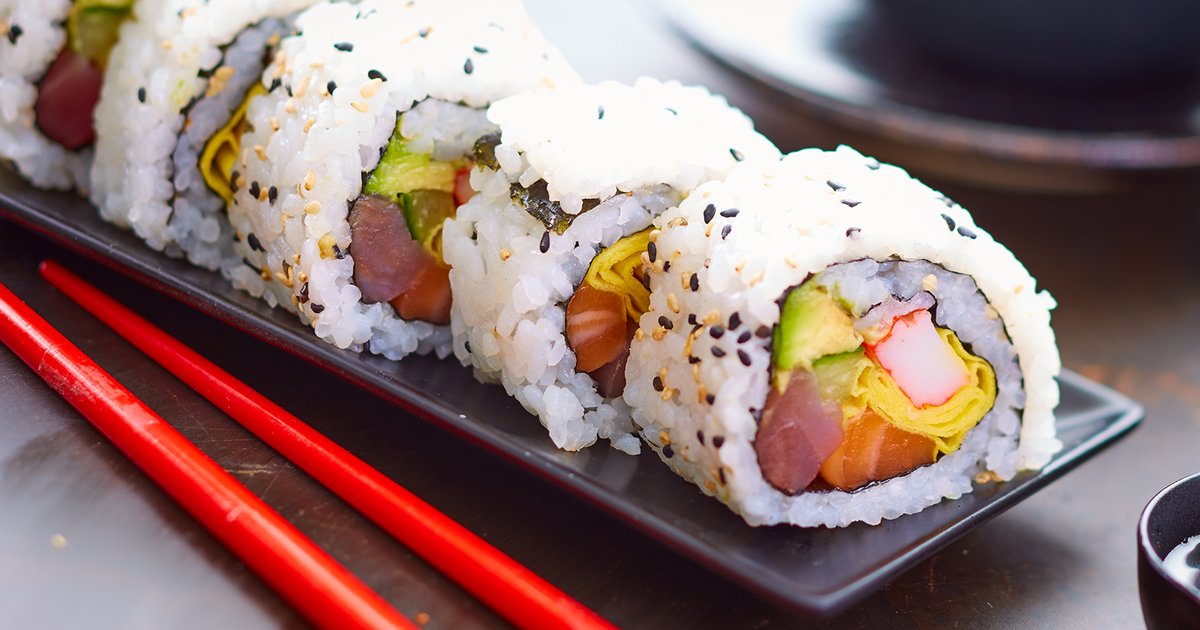
Wall Street banks have announced a financing deal worth €750 million, equivalent to $867 million, to support a transaction valued at approximately €1.5 billion between Eat Happy, a producer of Asian foods, and sushi suppliers Hana Group SAS in Europe. This initiative comes as part of efforts to strengthen cooperation between Asian and European companies in the food sector.
The deal aims to integrate the European operations of Eat Happy with those of Hana Group SAS, reflecting a growing trend towards consolidation in the food market. It is expected that this transaction will expand the range of products available to consumers and foster innovation within the sector.
Details of the Transaction
The deal includes significant investment from Wall Street banks, demonstrating confidence in the companies' potential for future successes. This financing is part of a broader strategy to enhance collaboration between Asian and European companies, particularly in light of the increasing demand for Asian foods in European markets.
Reports indicate that the deal will allow Eat Happy to expand its customer base in Europe, while Hana Group SAS will benefit from Eat Happy's extensive distribution network. This collaboration could contribute to improving product quality and increasing availability in the markets.
Background & Context
Historically, European markets have seen a notable increase in demand for Asian foods, especially sushi. In recent years, Asian cuisine has become an integral part of the food culture in many European countries. This trend reflects changes in consumption patterns and consumer preferences.
Eat Happy is considered one of the leading companies in the Asian food sector, offering a diverse range of products that meet consumer needs. On the other hand, Hana Group SAS is known for providing high-quality sushi products, making this collaboration particularly interesting amid intense market competition.
Impact & Consequences
This deal is expected to have positive effects on the European market, as it will enhance the availability of Asian products and increase choices for consumers. Additionally, this collaboration may open doors for further investments in the food sector, promoting economic growth in this area.
Furthermore, this transaction could lead to increased innovation in the food industry, as companies strive to introduce new products that meet changing consumer needs. This innovation may include developing new recipes or improving production methods.
Regional Significance
Looking at the Arab region, the demand for Asian foods, including sushi, is continuously rising. This collaboration between Asian and European companies could serve as a model in the region, where Arab companies can benefit from successful experiences in enhancing cooperation and expanding into markets.
It is important for Arab companies to monitor these developments, as they may open doors to new investment and collaboration opportunities in the food sector. Additionally, strengthening cooperation between companies in different regions can contribute to achieving sustainable growth.