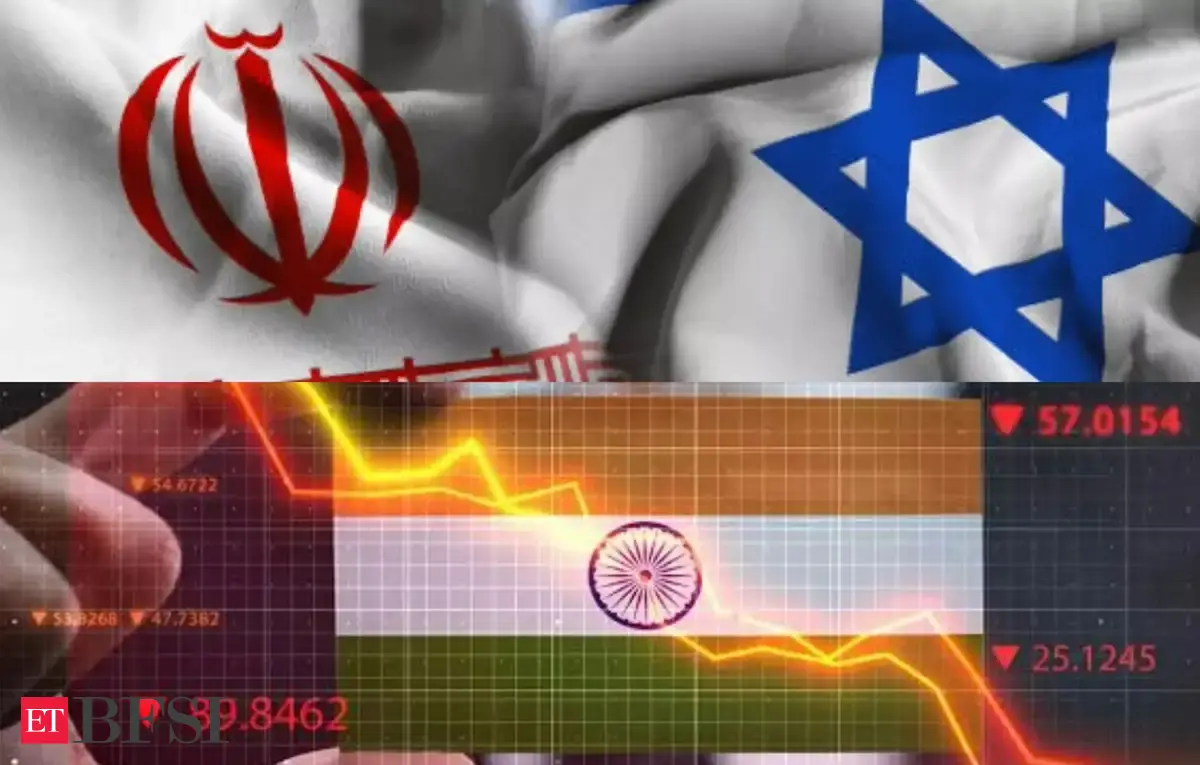
As the war in Iran enters its fifth week, Wall Street bank strategists are promoting trading strategies that could yield profits if the stock market decline is slow and steady. These predictions come amid global economic uncertainty influenced by geopolitical conflicts.
Concerns are growing that developments in Iran could negatively impact global financial markets, prompting investors to adopt more cautious strategies. In this context, analysts indicate that any market decline may be gradual, allowing investors the opportunity to capitalize on price drops.
Details of the Event
All eyes are on the developments of the war in Iran, where ongoing clashes and disputes continue to affect regional stability. Many analysts have noted that this war could lead to significant fluctuations in oil prices, which in turn affects global financial markets. At the same time, pressures are mounting on companies that rely on stability in the region.
The trading strategies being promoted on Wall Street include options such as short selling, where investors can benefit from falling prices. Investors are also advised to focus on stocks that may be less affected by conflicts, such as companies operating in the defense and technology sectors.
Background & Context
Historically, wars and conflicts in the Middle East have significantly impacted the global economy. For example, stock markets experienced sharp declines during previous wars, such as the Iraq War in 2003. These events highlight the importance of monitoring geopolitical developments and their effects on financial markets.
The war in Iran is not new; the region has experienced ongoing tensions for decades. However, the current escalation may have broader implications, especially given the increasing global reliance on Iranian oil.
Impact & Consequences
The potential ramifications of this war on financial markets could be substantial. If the war continues for an extended period, we may witness a decline in foreign investments in the region, exacerbating economic crises. Additionally, rising oil prices could impact inflation in oil-importing countries, increasing pressure on the global economy.
Moreover, these conditions could lead to heightened tensions between major powers, negatively affecting economic stability. In this context, analysts expect markets to continue reacting to news from Iran, making it essential to closely monitor developments.
Regional Significance
The war in Iran directly affects neighboring Arab countries, potentially leading to increased regional tensions. Many Arab nations rely on regional stability for economic growth, and any escalation could impact investments and tourism.
The psychological impact of the war may also drive investors to make more cautious decisions, potentially leading to declines in Arab markets. At the same time, some countries may benefit from rising oil prices, but this depends on how the conflict in Iran unfolds.
In conclusion, financial markets remain under significant pressure due to developments in Iran, making it crucial for investors to make informed decisions and closely follow events.