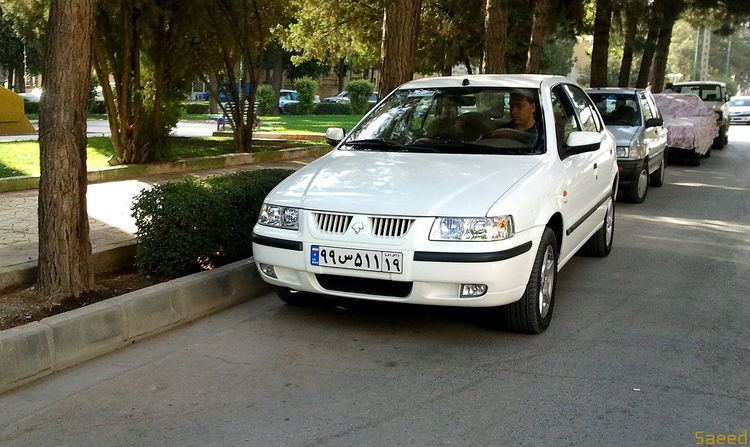
The Iranian automotive industry is under increasing pressure due to the direct impact of war on steel supplies, raising concerns about the future of this vital sector. Attacks on steel facilities during the U.S.-Israeli conflict have disrupted the flow of essential materials, negatively affecting production lines.
The automotive industry in Iran is one of the largest non-oil sectors, producing approximately 1,077,839 vehicles in 2024, a figure that is 32.6% lower than its historical peak. However, the numbers indicate a continuous decline in production, with major companies like "Iran Khodro" and "Saipa" reporting a 9.2% decrease in passenger car production during the first 11 months of the Iranian year 1404.
Event Details
Data shows that the average monthly production for these companies does not exceed 66.8 thousand vehicles, reflecting the pressure the sector is experiencing before the crisis worsens due to the targeting of steel supplies. According to the World Steel Association, a modern car requires about 900 kilograms of steel, which means that Iranian production in 2024 necessitates around 970 thousand tons of steel for vehicle manufacturing.
The issue pertains to a specific type of steel, known as flat steel, which is essential for manufacturing car bodies. Thus, any disruption in the supply of this type of steel could lead to direct negative impacts on the automotive industry.
Background & Context
Although Iran is among the top 10 steel producers in the world, having produced around 31.8 million tons of crude steel in 2025, this figure does not necessarily reflect the sector's ability to meet the automotive industry's needs. The industry requires finished flat products, making it vulnerable to bottlenecks in the event of any disruption.
Impact & Consequences
The Iranian Ministry of Industry announced in April that it granted "Mobarakeh Steel" a license to import hot-rolled steel, indicating that the crisis has surpassed a theoretical concern. This shift means that the market is facing a real shortage of essential materials, necessitating urgent measures to secure supplies.
Meetings continue between "Mobarakeh Steel" and major automotive companies to secure their needs, but reports indicate that the market is no longer discussing comfortable abundance but rather managing a potential shortage. This situation could lead to pressure on production schedules and a reordering of priorities among different models.
Regional Significance
The repercussions of this crisis extend beyond Iran, as reports indicate that the war has raised fuel and shipping costs, affecting the automotive industry in other markets. However, the Iranian situation appears more fragile, as the sector enters this phase amid declining actual production.
In conclusion, the crisis facing the Iranian automotive industry is not limited to a shortage of steel but extends to negative impacts on the market and consumers. If these disruptions continue, they could lead to lower vehicle production and slower deliveries, increasing input costs.