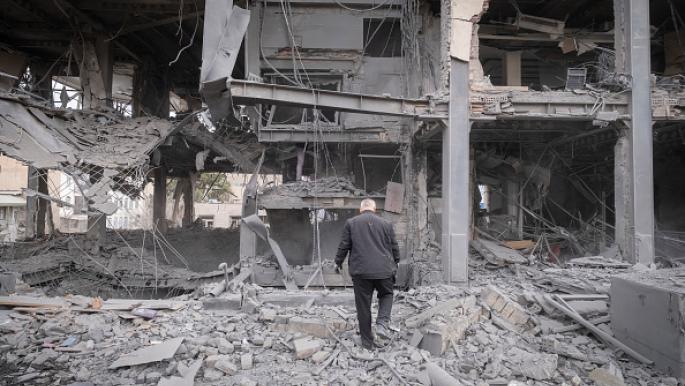
The Iranian Red Crescent Society announced on Wednesday that the ongoing war since February 28 has resulted in damage to over 115,000 civilian facilities, in addition to the deaths of 24 health workers. These figures reflect the extent of the destruction inflicted on the country's infrastructure, exacerbating the suffering of the population under the current conditions.
Reports indicate that the war has led to a deterioration of humanitarian conditions, with many Iranians suffering from severe shortages of essential services such as healthcare and clean water. The damage to civilian facilities hampers relief efforts and increases the difficulty of daily life.
Details of the Conflict
Since the beginning of the conflict, Iran has witnessed an escalation in violence, leading to the destruction of many vital facilities. The spokesperson for the Iranian Red Crescent Society noted that the damages include hospitals, schools, and essential infrastructure, threatening the lives of millions.
Humanitarian organizations continue their efforts to provide assistance, but logistical and security challenges hinder these efforts. Additionally, the deteriorating economic situation complicates matters, as many Iranians face poverty and unemployment.
Background & Context
Historically, Iran has experienced numerous political and economic crises, but the current conflict is considered one of the most severe. Events began to escalate in February, worsening humanitarian conditions. International organizations have reported an increase in the number of internally displaced persons, as many are forced to flee conflict areas in search of safety.
This crisis intertwines with regional and international tensions, as major powers play a role in fueling the conflict. This situation complicates peace efforts and hinders any attempts to reach a peaceful resolution.
Impact & Consequences
The repercussions of the war extend beyond Iranian borders, affecting regional stability. The increase in violence in Iran may lead to a flow of refugees into neighboring countries, placing additional pressures on those nations. Furthermore, the continuation of the conflict could negatively impact the Iranian economy, increasing the suffering of the people.
Concerns are growing that the deteriorating humanitarian conditions could lead to the spread of diseases and epidemics, especially in light of the lack of healthcare. Additionally, the worsening economic situation may exacerbate social and political crises.
Regional Significance
The situation in Iran holds particular importance for Arab countries, as it can affect regional relations. The rising tensions in Iran may escalate conflicts in other areas, especially with regional powers seeking to exploit the situation for their benefit.
Moreover, the humanitarian crises in Iran could impact food and economic security in neighboring countries, necessitating a collective regional and international effort to address these challenges.
In conclusion, the situation in Iran remains under scrutiny, as the increasing humanitarian crises require a swift and effective response from the international community. Addressing these crises is not solely an Iranian responsibility but a collective one that requires cooperation and solidarity among all nations.