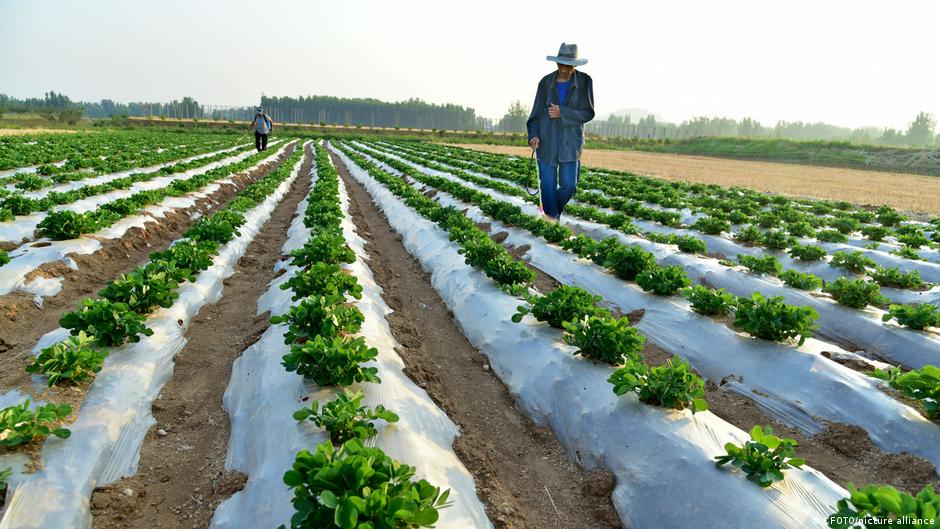
The ongoing war in Iran has exacerbated the global fertilizer shortage crisis, as maritime routes in the Strait of Hormuz have been closed, significantly impacting fertilizer exports and their essential components. The Strait of Hormuz is a vital artery for fertilizer trade, with approximately half of the nitrogen fertilizers traded globally exported from this region.
Reports indicate that this crisis may lead to rising food prices, burdening poorer nations. At the same time, farmers are facing tough choices to adapt to these changing conditions.
Details of the Event
Nitrogen fertilizers are essential for increasing crop production, produced through the Haber-Bosch process that requires both nitrogen and hydrogen. With fertilizer plants in countries like Qatar and Bangladesh shutting down, it has become crucial to reassess agricultural production strategies.
Both governments and farmers are under increasing pressure to make swift decisions to address the fertilizer shortage. Some governments, such as India, have large grain reserves that can be utilized in case of supply deterioration, while China, the world's largest fertilizer producer, can maintain substantial stockpiles to cope with this crisis.
Background & Context
Historically, global fertilizer markets have experienced significant fluctuations due to political conflicts and economic crises. Since the Russian invasion of Ukraine in 2022, markets have faced substantial shocks in fertilizer supplies, leading to unprecedented price increases. These successive crises highlight the importance of stable food supplies worldwide.
Fertilizers are a fundamental part of modern agriculture, contributing to increased productivity and improved crop quality. However, excessive reliance on chemical fertilizers can have negative effects on the environment and soil health.
Impact & Consequences
Reports predict that the fertilizer shortage will lead to increased food prices, adversely affecting low-income households. At the same time, countries may be forced to take measures to protect their resources, potentially exacerbating the global crisis.
There is a growing need for innovation in agriculture, where modern technologies such as precision farming can play a significant role in improving fertilizer use efficiency. However, these solutions may be costly and unavailable to farmers in developing countries.
Regional Significance
Arab countries face significant challenges due to their dependence on fertilizer imports. The current fertilizer crisis may worsen food conditions in the region, where many countries are already struggling with shortages of essential food resources.
Arab nations must take effective steps to ensure the sustainability of their agricultural production, including enhancing research and development in sustainable agriculture and adopting new technologies to improve resource use efficiency.
The current fertilizer crisis underscores the urgent need for international cooperation in food security, as countries must work together to ensure stable food supplies and avoid exacerbating humanitarian crises.