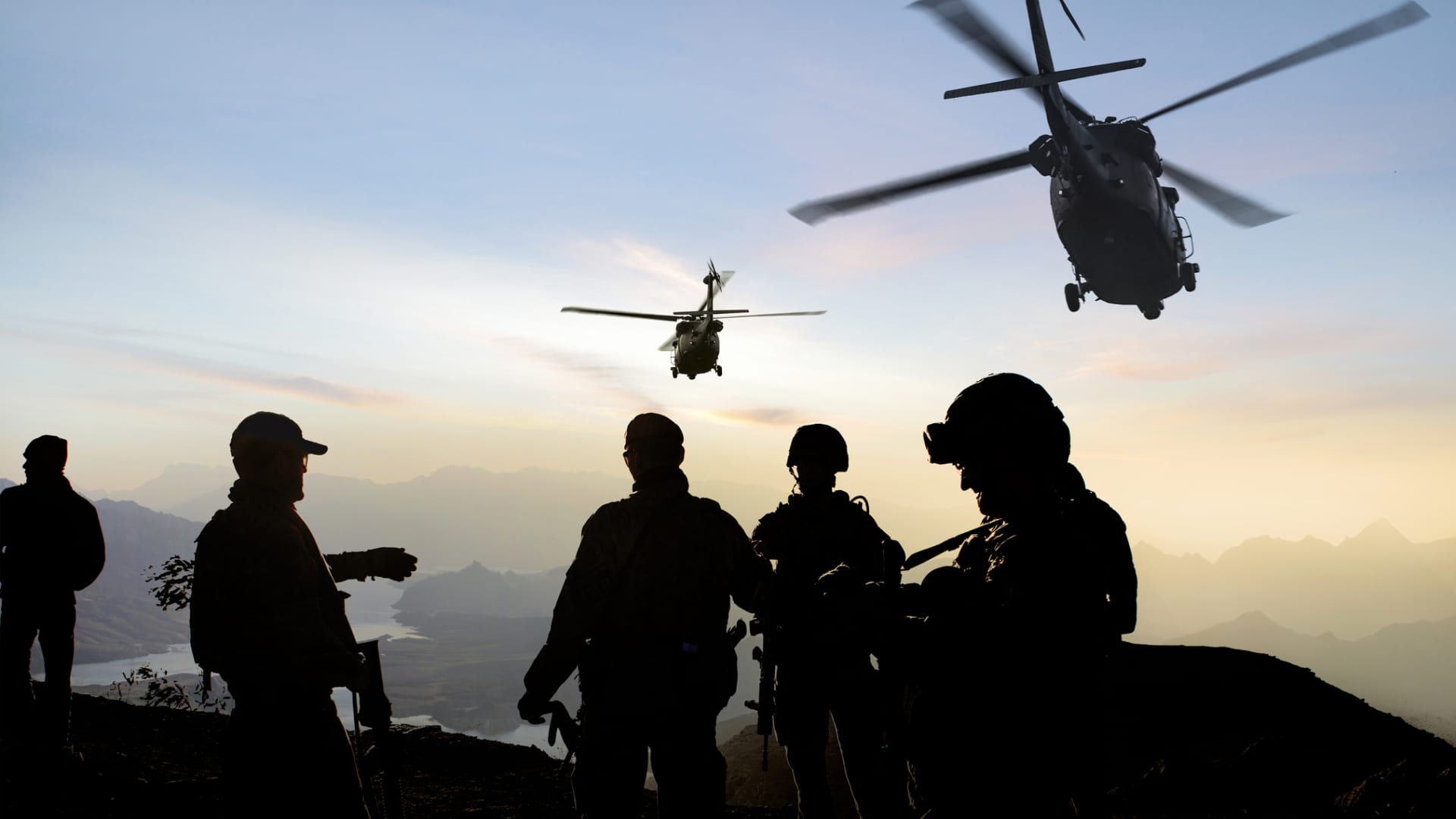
The war in Iran is a turning point in the United States' modern combat strategies, with a notable increase in demand for low-cost defense technologies. Within just two days of the conflict's onset, the United States utilized an estimated $5.6 billion worth of munitions, while Iran deployed low-cost drones, such as the Shahed drones, which range in cost from $20,000 to $50,000.
Attention is now focused on defense tech companies in Silicon Valley, such as Anduril and Palantir, which are eager to benefit from the Pentagon's increasing budgets. U.S. Secretary of Defense Pete Hegseth previously stated that the United States cannot afford to shoot down cheap drones with expensive missiles.
Details of the Conflict
Amid this conflict, the United States began using its own drones known as the Low-Cost Unmanned Combat Attack System (LUCAS), which costs approximately $35,000 per unit. However, the production of these drones remains limited, as most of the U.S. air capabilities in Iran still rely on traditional fighter jets.
In this context, Aerovironment announced the laser system Locust X3, which is claimed to cost less than $5 per shot. Companies like Lockheed Martin and RTX are also providing similar solutions in the field of counter-drone technologies.
Background & Context
Historically, efforts to enhance U.S. military capabilities began before the war in Iran, with former President Donald Trump boosting efforts to rebuild outdated military systems through a series of executive orders. A massive defense budget of $185 billion was allocated for the missile defense system known as the Golden Dome.
Data shows that the demand for defense technologies has surged significantly since the U.S. and Israel began conducting strikes against Iran at the end of February. Many companies have expressed their readiness to increase production to meet the rising demand.
Impact & Consequences
Estimates suggest that modern defense technologies have proven effective on the battlefield, with Mike Brown, a partner at Shield Capital, stating, "The world has become a more dangerous place." However, spending on these technologies still accounts for less than 1% of total defense contracts.
Companies are striving to balance increased production to meet government demand while maintaining profitability. John Tenet, CEO of Chaos Industries, noted that the manufacturing team is working around the clock to respond to customer demand signals.
Regional Significance
These developments directly impact the Arab region, as Iran remains a key player in regional conflicts. The increase in U.S. military capabilities may escalate tensions in the region, prompting Arab nations to take proactive steps to enhance their defense capabilities.
In conclusion, the war in Iran reflects a significant shift in U.S. defense strategies, opening new avenues for defense tech companies. However, the greatest challenge remains how to balance innovation and profitability amid rising demand.