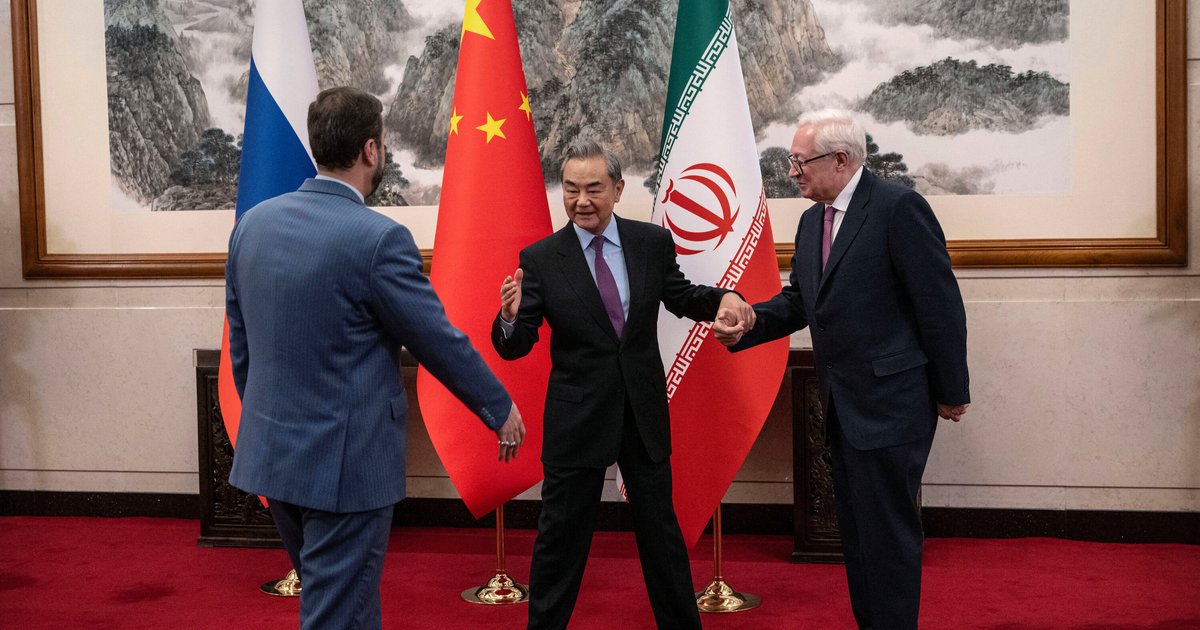
The ongoing war in Iran has profoundly affected the geopolitical dynamics between the United States and China, resulting in the postponement of a much-anticipated summit between U.S. President Donald Trump and Chinese President Xi Jinping. These developments reveal competing priorities between the two superpowers, as each seeks to advance its interests in the Middle East.
In this context, former U.S. Ambassador to China Nicholas Burns emphasized that Beijing is trying to achieve a delicate balance between its political relations with Iran and its growing economic needs for Gulf energy supplies. Although China views Iran as a strategic partner, its heavy reliance on oil and gas from Gulf countries makes it cautious about direct intervention in the conflict.
Details of the Event
Tensions are escalating in the Middle East, placing China in a sensitive position. While the United States aims to strengthen its military and political presence in the region, China is attempting to maintain its trade relationships with Gulf nations. These dynamics reflect the challenges Beijing faces in expanding its global influence, as it must balance its economic and security interests.
The postponement of the summit between Trump and Xi also reflects the instability surrounding bilateral relations. With the U.S. elections approaching, Trump is seeking to bolster his domestic standing by taking a tough stance on China, complicating matters further. On the other hand, China is trying to enhance its position on the international stage by strengthening ties with developing countries.
Background & Context
Historically, Iran and China have shared close ties, with China being one of the largest importers of Iranian oil. However, tensions between Iran and the United States, especially following Trump's withdrawal from the nuclear deal in 2018, have made it difficult for Beijing to fully support Tehran. At the same time, China is looking to strengthen its relationships with Gulf countries, which are vital sources of energy.
These dynamics illustrate how events in the Middle East directly impact international relations. China, which seeks to enhance its global influence, finds itself in a position that requires making tough decisions that could affect its future strategy.
Impact & Consequences
These events highlight the limits of Chinese influence on the global stage. While Beijing aims to bolster its role as a superpower, it faces significant challenges in achieving this goal. Tensions with the United States, coupled with regional conflicts, make it difficult for China to effectively expand its influence.
Moreover, these dynamics could impact global markets, particularly in the energy sector. With rising demand for oil and gas, any changes in relations between China and Gulf countries could lead to significant price fluctuations, affecting the global economy.
Regional Significance
The developments in U.S.-China relations are particularly significant for Arab countries. Many of these nations heavily rely on their oil exports to China, making them vulnerable to shifts in Chinese policy. Additionally, tensions between the two superpowers could affect regional stability, increasing the need for new strategies for cooperation among Arab states.
In conclusion, the ongoing events in Iran reflect the substantial challenges China faces in enhancing its global role. As tensions in the Middle East continue, the relationship between the United States and China will remain under scrutiny, impacting the future of the region and the world.