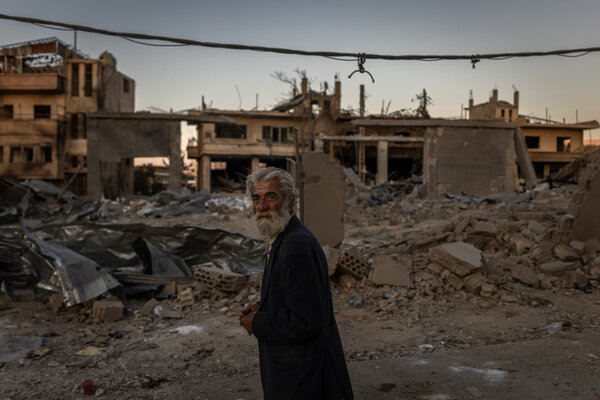
The ongoing war in the Middle East significantly impacts major food companies, presenting new challenges due to geopolitical changes. These companies are no longer insulated from the crises affecting the region.
Major consumer goods companies such as Nestlé, Unilever, and PepsiCo are among the entities most affected by the ramifications of conflicts in the Middle East. These companies rely on global supply chains that are under pressure due to ongoing conflicts, leading to increased production costs and shipment delays.
Details of the Event
Reports indicate that the war in the Middle East has led to a significant increase in the prices of raw materials, such as wheat and oils, which are essential for food production. For instance, wheat prices have risen by 30% since the beginning of the conflict, directly impacting the cost of food products.
Moreover, companies are facing difficulties accessing new markets due to trade and transportation restrictions. These combined factors lead to significant price volatility, putting additional pressure on consumers.
Background & Context
Historically, the Middle East has always been a hotspot for political and economic conflicts, affecting the stability of global markets. As tensions have escalated in recent years, it has become clear that the impact of these conflicts extends to multiple sectors, including the food sector.
In recent years, we have witnessed how political crises in countries like Syria, Libya, and Yemen have led to deteriorating economic conditions, directly affecting people's ability to access food. With the escalation of the current conflict, it seems that the negative impacts will continue to increase.
Impact & Consequences
The repercussions of the war extend beyond its direct impact on prices, also affecting the strategies of major companies. These companies may be forced to reassess their supply chains and seek alternative sources for raw materials, which could lead to radical changes in their operations.
Additionally, these crises may push companies to increase their investments in more stable regions, which could affect employment and the local economy in countries affected by the conflict. At the same time, rising prices could exacerbate social and economic conditions in countries already facing economic challenges.
Regional Significance
Given the current situation, the impact of the war on the food sector could have dire consequences for the Arab region. With rising prices, many citizens may find it difficult to secure their basic needs. This situation could lead to increased rates of poverty and hunger in some countries, threatening social stability.
Furthermore, local companies that rely on importing raw materials may face difficulties in continuing operations, potentially leading to job losses and increased unemployment. Therefore, it is crucial for governments to adopt effective strategies to address these challenges.
In conclusion, it is evident that the war in the Middle East is not just a military conflict but has profound effects on the global economy, particularly on the food sector. The current situation requires a swift and effective response from all stakeholders to ensure market stability and protect consumer rights.