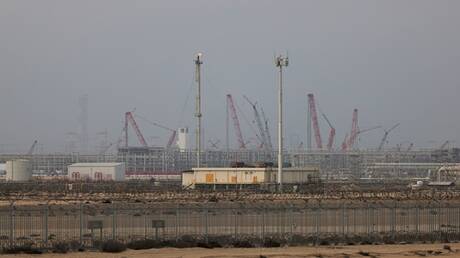
The ongoing war on Iran has led to a severe shortage of helium, essential for cooling artificial intelligence chips, threatening global production chains. Helium, considered a vital element in many technological applications, is in a critical position due to the tense political situation in the region.
Iran is one of the largest producers of helium in the world, and with the escalation of conflict, global markets have experienced significant price fluctuations and increased demand. This situation raises concerns among companies operating in the fields of artificial intelligence and technology, as they heavily rely on helium to cool their systems.
Details of the Situation
Reports indicate that the military conflict in Iran has led to the halt of some production operations in gas fields, adversely affecting helium supplies. Data has shown that global helium prices have risen by as much as 30% in recent months, increasing the challenges faced by companies.
At the same time, fears are growing that the continuation of the conflict may exacerbate the situation, as supply chains could be further affected, negatively impacting the production of advanced electronic devices.
Background & Context
Historically, Iran has been considered a major center for helium production, with gas extracted from natural gas fields. However, political and military tensions in the region have led to a decline in production, raising questions about the future of this vital resource.
Helium is a fundamental material in many applications, including the manufacturing of electronic chips, where it is used to cool systems. In recent years, the artificial intelligence sector has seen significant growth, leading to a notable increase in helium demand.
Impact & Consequences
If the helium shortage continues, major technology companies may face significant difficulties in meeting their production needs. This shortage could lead to delays in the launch of new products, affecting innovation in the technology sector.
Moreover, the increase in helium prices may lead to higher production costs, which would be reflected in the prices of final products, directly impacting consumers.
Regional Significance
Arab countries are part of the global supply chain and may be indirectly affected by the helium shortage. If tensions in Iran persist, Arab nations may seek alternatives to secure their helium needs, potentially leading to changes in supply strategies.
Ultimately, the current situation requires greater international coordination to ensure the stability of helium supplies, as any shortage of this vital resource could impact innovation and growth across many sectors.