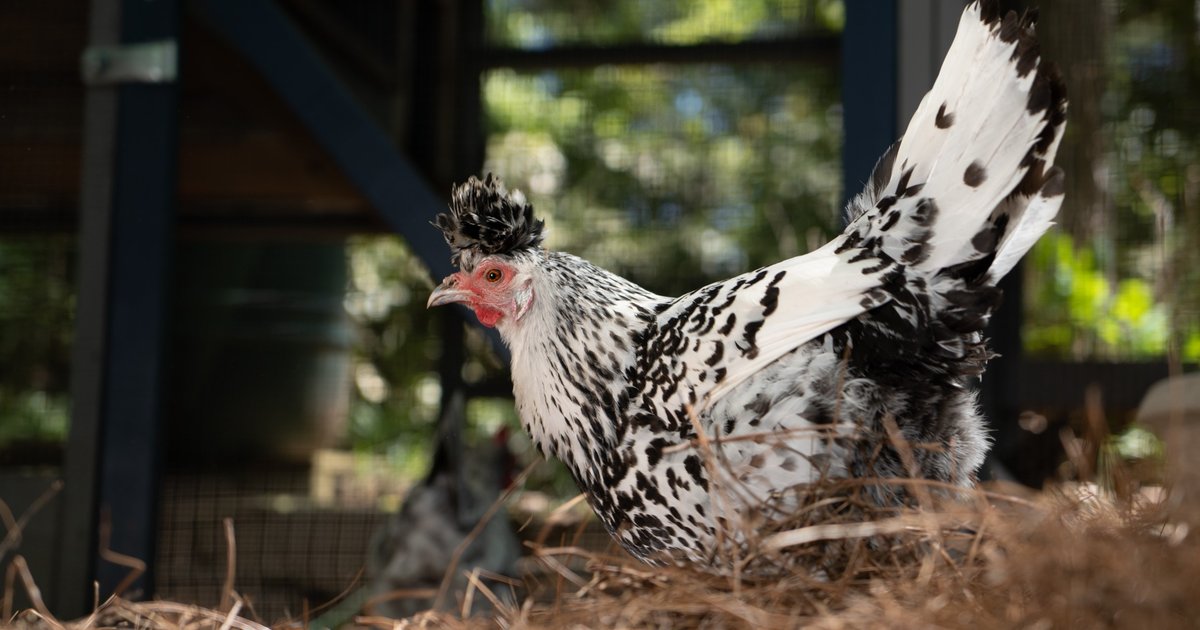
The Centers for Disease Control and Prevention (CDC) has warned about the rising cases of antibiotic-resistant salmonella infections linked to backyard poultry. Reports indicate that infections have been documented in several U.S. states, raising public health concerns.
According to reports, the infection spreads among individuals who handle backyard poultry, such as chickens and ducks, where bacteria can easily transfer from birds to humans. The CDC confirmed that some strains of salmonella identified in these cases show resistance to antibiotics, complicating treatment.
Details of the Situation
Data indicates a notable increase in salmonella infection cases in the United States, with over 200 cases reported since the beginning of the year. Tests have shown that many of these cases are linked to backyard poultry farming, highlighting the potential risks faced by families who keep these birds.
Common symptoms of the infection include fever, diarrhea, and abdominal pain, which can be more severe in individuals with weakened immune systems. The CDC has urged individuals to take extra precautions when handling poultry, such as washing hands thoroughly after contact.
Background & Context
Salmonella is one of the most common pathogens leading to food poisoning in the United States. Many past salmonella outbreaks have been linked to poultry farming, making this warning particularly significant. In recent years, the popularity of backyard poultry farming has increased, leading to greater exposure to this bacteria.
Historically, salmonella has posed a major public health issue, causing thousands of food poisoning cases annually. With the rise of antibiotic resistance, it has become essential to implement stricter preventive measures to protect public health.
Impact & Consequences
The warnings emphasize the need to raise awareness about the risks of backyard poultry farming, especially amid rising infection cases. These infections could increase pressure on the healthcare system, particularly if cases continue to rise. Additionally, antibiotic resistance presents a significant challenge for healthcare providers, as infections may require more complex treatment methods.
These circumstances necessitate cooperation between health authorities and poultry farmers to mitigate risks. It is crucial for individuals to recognize early symptoms of infection and take appropriate preventive measures.
Regional Significance
Although the warnings pertain to the United States, public health issues and antibiotic resistance represent a global challenge. In the Arab region, where poultry farming is common, similar awareness campaigns should be implemented to prevent disease outbreaks. Infections could have negative impacts on public health and the economy, necessitating effective preventive actions.
In conclusion, individuals and farmers worldwide must be aware of the risks associated with poultry farming and take necessary precautions to protect their health and the health of the community.