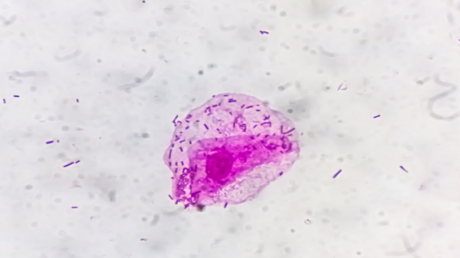
Health experts have warned that bacterial vaginosis (BV), a common condition among women, may actually be more closely associated with sexually transmitted infections than was previously believed. This discovery raises new questions about how to address this health condition.
Bacterial vaginosis occurs when there is an imbalance in the natural bacteria in the vagina. While it was previously thought that this condition resulted from non-infectious factors, recent studies suggest that certain types of sexually transmitted infections may contribute to its onset.
Event Details
Reports indicate that many women suffering from bacterial vaginosis may not be aware that this condition could be linked to a sexually transmitted infection. This necessitates a review of diagnostic and treatment methods by healthcare providers, which could lead to improved healthcare for women.
Research indicates that bacterial vaginosis can lead to more serious health complications, including an increased risk of other sexually transmitted infections, such as HIV. Therefore, awareness of this relationship may help reduce health risks.
Background & Context
Bacterial vaginosis is a common condition affecting women worldwide. According to statistics, approximately 30% of women of reproductive age experience this condition. However, public awareness about this condition remains low, increasing the risk of infection outbreaks.
Historically, this condition was considered a result of factors such as personal hygiene or the use of certain feminine products. However, as research has evolved, scientists have begun to better understand the relationship between bacterial vaginosis and sexually transmitted infections.
Impact & Consequences
These new findings require a reevaluation of how bacterial vaginosis is managed. Healthcare providers must be more aware of the potential relationship between this condition and sexually transmitted infections, which could lead to changes in treatment strategies.
Moreover, increasing awareness about this relationship may help women make more informed decisions regarding their sexual health. This could lead to improved health outcomes and reduced rates of sexually transmitted infections.
Regional Significance
In the Arab region, where topics related to sexual health may be surrounded by cultural reservations, these discoveries present a significant challenge. It is essential to promote health awareness and provide accurate information to women regarding this condition.
Awareness campaigns can help change misconceptions about bacterial vaginosis, assisting women in understanding the risks associated with it. This could lead to improved public health and reduced infection rates.
In conclusion, the new warnings regarding bacterial vaginosis as a sexually transmitted infection indicate an urgent need to enhance health awareness among women. Through education and awareness, health risks can be reduced, and quality of life can be improved.