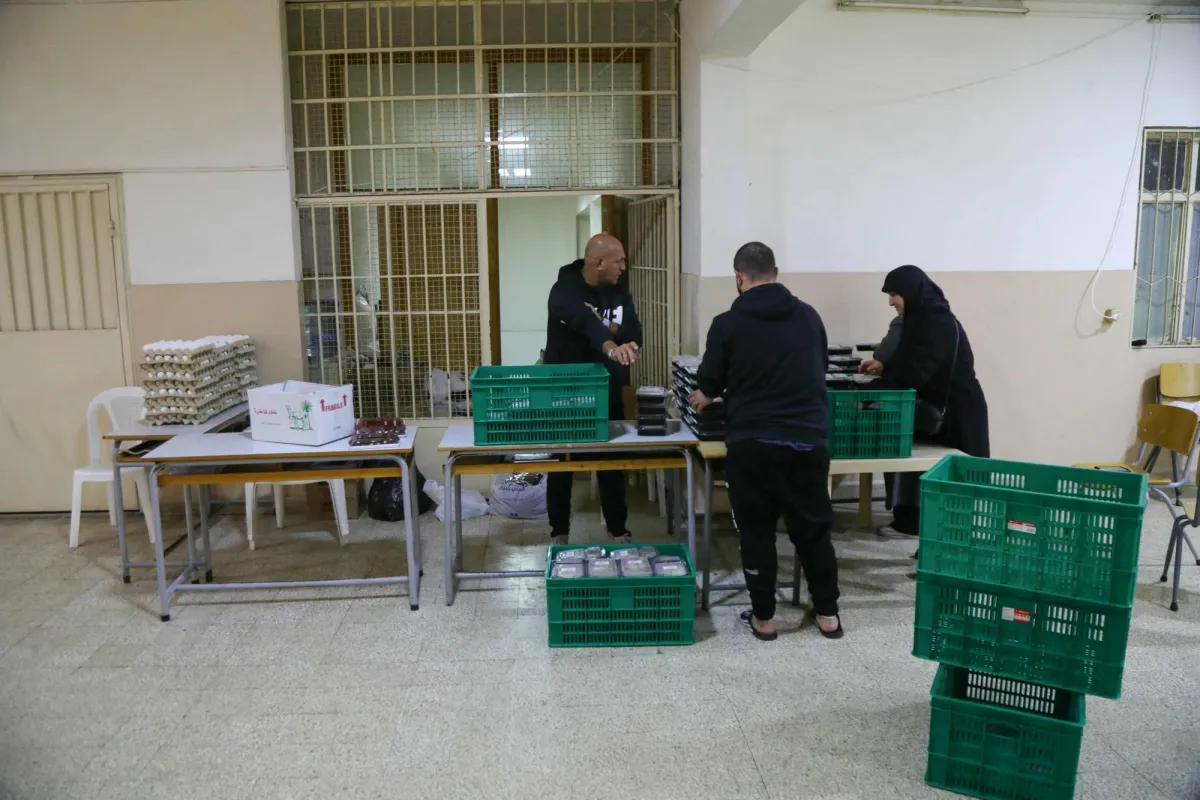
The Director of the International Organization for Migration, Emma Boub, has warned of very concerning signs that indicate the likelihood of long-term displacement in Lebanon as a result of the ongoing war between Israel and Hezbollah. In an interview with the French Press Agency, Boub confirmed that more than one million people have fled their homes due to the escalation of hostilities, raising significant concerns about the future of these displaced individuals.
Boub explained that the level of destruction witnessed in the country, along with the ongoing threats of further devastation, makes the situation more perilous. She noted that even if the war were to end tomorrow, the effects of the destruction would persist, necessitating substantial efforts for reconstruction.
Details of the Ongoing Conflict
As fighting escalates, 18 European countries called on both Israel and Hezbollah to cease hostilities on Thursday, as the war between the two parties enters its second month. Israeli sources confirmed the government's intention to establish a security zone in southern Lebanon, which has raised additional concerns about the stability of the region.
At the same time, the Israeli government has requested full occupation of southern Lebanon, designating the Litani River as the new border for Israel. However, the Israeli army rejected this request, indicating a preference to make the Litani a "fire border" monitored by what is known as the "blue line," which is the temporary border in the Gaza Strip.
Background & Context
These events coincide with Iraq's confirmation of its utmost efforts to prevent any escalation on its territory, following warnings from the U.S. Embassy about the potential for Iran-aligned armed factions to carry out attacks in Baghdad. The Iraqi Foreign Ministry issued a statement affirming the government's commitment to protecting diplomatic missions and foreign interests.
In a related context, Lebanese-French artist Ali Sherri, who lost his parents in an Israeli airstrike on a residential building in Beirut, has turned to the French judiciary to open an investigation into "war crimes." Sherri filed a civil complaint with the unit for crimes against humanity in Paris, noting that the attack on the building occurred just hours before the ceasefire agreement between Israel and Hezbollah came into effect.
Impact & Consequences
Concerns are growing that the ongoing displacement will exacerbate the humanitarian situation in Lebanon, which is already suffering from economic and social crises. The continuation of fighting may hinder relief efforts and increase the suffering of civilians.
On the other hand, the escalation of hostilities could affect regional stability, with fears that the conflict may lead to a larger escalation in the region, potentially dragging other countries into the conflict.
Regional Significance
These events serve as a stark reminder of the complexities of the situation in the Middle East, where political and military interests intersect. The current conflict between Israel and Hezbollah may have far-reaching implications for relations between Arab countries and Israel, in addition to its impact on the humanitarian situation in Lebanon.
In conclusion, the situation in Lebanon remains troubling, with increasing international calls for an end to the fighting and humanitarian assistance for the displaced. The hope for achieving peace and stability requires joint efforts from all concerned parties.