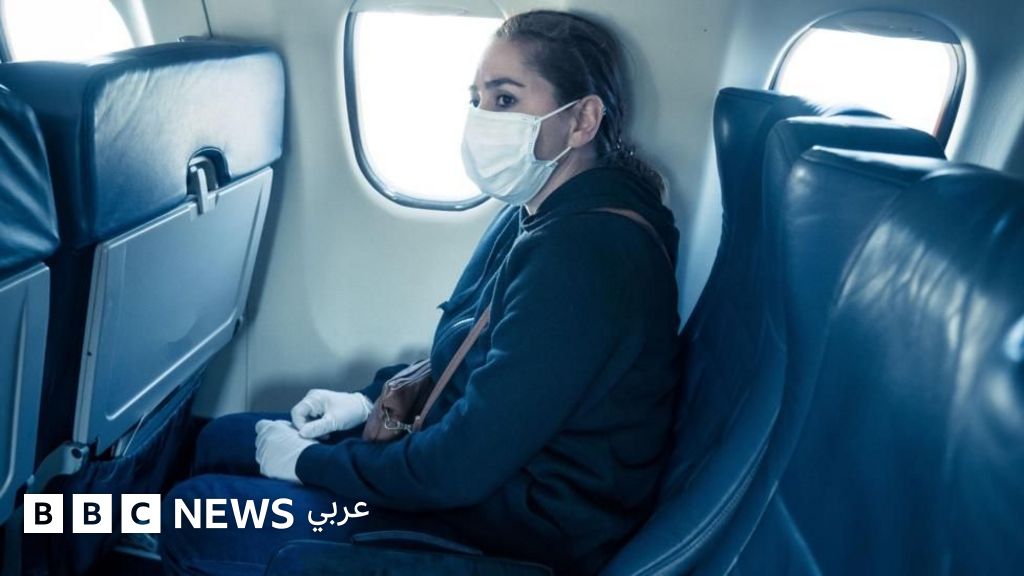
Scott Kirby, the CEO of United Airlines, has indicated that airfare prices may see an increase of up to 20% if jet fuel prices continue to rise. This warning comes at a sensitive time for the aviation industry, which is already grappling with the impacts of the COVID-19 pandemic and other economic challenges.
United Airlines is one of the largest airlines in the United States, and Kirby noted that the rise in fuel prices could put additional pressure on the company, potentially leading to increased operating costs. If the situation remains unchanged, the company will have to pass these costs onto consumers.
Details of the Situation
The aviation industry is significantly affected by oil prices, as jet fuel constitutes a large portion of operational costs. Recently, oil prices have seen a notable increase, raising concerns among airlines. In this context, Kirby confirmed that the company is closely monitoring the situation and will make necessary decisions to protect its interests and those of its customers.
This warning comes at a time when the world is gradually recovering from the COVID-19 pandemic, with air travel beginning to return to previous levels. However, any increase in ticket prices could negatively impact this recovery, as many people may hesitate to travel if costs rise significantly.
Background & Context
Historically, the aviation industry has experienced significant fluctuations in fuel prices, which have affected airlines' pricing strategies. In recent years, there have been periods of relative stability in oil prices, allowing companies to offer competitive prices to consumers. However, with the current rise in prices, companies may find themselves in a difficult position.
Oil prices are a key factor in determining airfare, as any increase in prices leads to higher operating costs. In recent years, oil prices have fluctuated significantly due to various factors, including geopolitical crises and changes in global supply and demand.
Impact & Consequences
If fuel prices continue to rise, this could lead to a general increase in airfare, which may affect travel and tourism overall. This could result in a decline in the number of travelers, negatively impacting the revenues that airlines rely on.
Moreover, rising prices may lead to changes in consumer behavior, with some opting for cheaper travel options, such as driving or using public transportation. This shift could also impact local economies in areas that rely on tourism as a primary source of revenue.
Regional Significance
The Arab region is among the areas most affected by fluctuations in oil prices, as many countries depend on oil revenues to support their economies. If airfare rises, the tourism sector in Arab countries could be significantly impacted, potentially leading to a decline in the number of tourists coming to the region.
Additionally, increased airfare may affect labor movement between Arab countries, as many expatriate workers rely on periodic travel. If costs rise, some may hesitate to travel, affecting family and economic ties between countries.
In light of the current challenges facing the aviation industry, the question remains: will airlines be able to adapt to these conditions, or will consumers have to bear the increasing financial burdens?