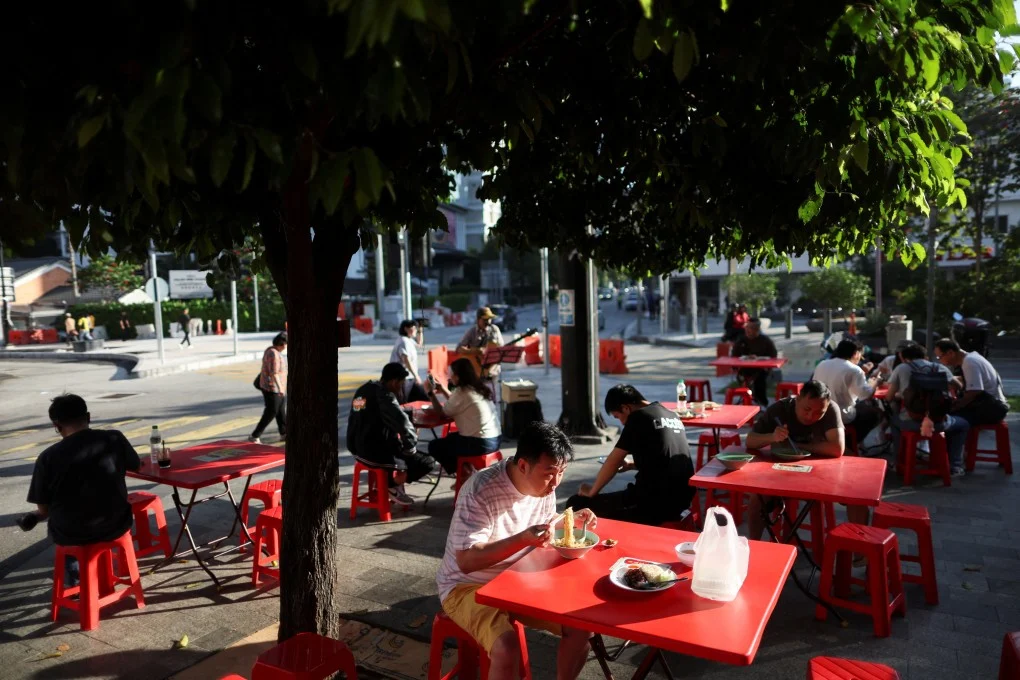
Trade associations in Malaysia have warned that food prices could rise by up to 50% due to increased fuel costs stemming from the energy crisis linked to the war in Iran. These warnings come at a time when the Malaysian economy is under increasing pressure, as high fuel costs threaten to undermine the already narrow profit margins of restaurants and food stalls that cater to the country's large appetite for dining out.
The Malaysian government is facing significant financial challenges, with local fuel subsidy costs expected to rise by more than four times, reaching approximately 3.2 billion Malaysian Ringgit (around 795 million USD). This situation raises concerns among traders and consumers alike, as the anticipated price increases are expected to have negative effects on the standard of living.
Details of the Event
Concerns are growing in Malaysia regarding rising food prices, with traders indicating that the increase in fuel costs could lead to significant price hikes. This is particularly troubling in a country that heavily relies on the restaurant and food stall sector, where many Malaysians prefer to eat out. As economic pressures mount, many families may find it difficult to bear the rising food costs.
This crisis comes at a time when Malaysia is experiencing the repercussions of the war in Iran, which has led to disruptions in global energy markets. With rising oil prices, transportation and production costs are affected, directly reflecting on food prices.
Background & Context
Historically, Malaysia has experienced fluctuations in food prices due to various factors, including economic and political crises. However, the current situation differs in terms of the global impacts caused by the war in Iran, which has exacerbated the energy crisis. Malaysia is one of the countries that depend on food imports, making it vulnerable to fluctuations in global prices.
In recent years, the Malaysian government has attempted to enhance food security by increasing local production, but with ongoing global crises, it seems these efforts may not be sufficient to meet current challenges.
Impact & Consequences
The anticipated increase in food prices could worsen the economic situation in Malaysia, as citizens may struggle to cope with the rising cost of living. This increase is likely to impact the most vulnerable segments of society, raising poverty rates and affecting social stability.
Moreover, this crisis may increase pressure on the Malaysian government to take swift action to mitigate the effects of rising prices. Such measures could include providing additional support to low-income families or boosting local production to reduce reliance on imports.
Regional Significance
The economic crises in countries like Malaysia are of particular importance to the Arab region, where many Arab nations face similar challenges related to rising food and energy prices. Global crises may increase pressure on Arab economies, necessitating urgent measures to ensure price stability and food security.
In light of these circumstances, Arab countries must enhance economic and trade cooperation among themselves to reduce reliance on global markets and strengthen regional food security.