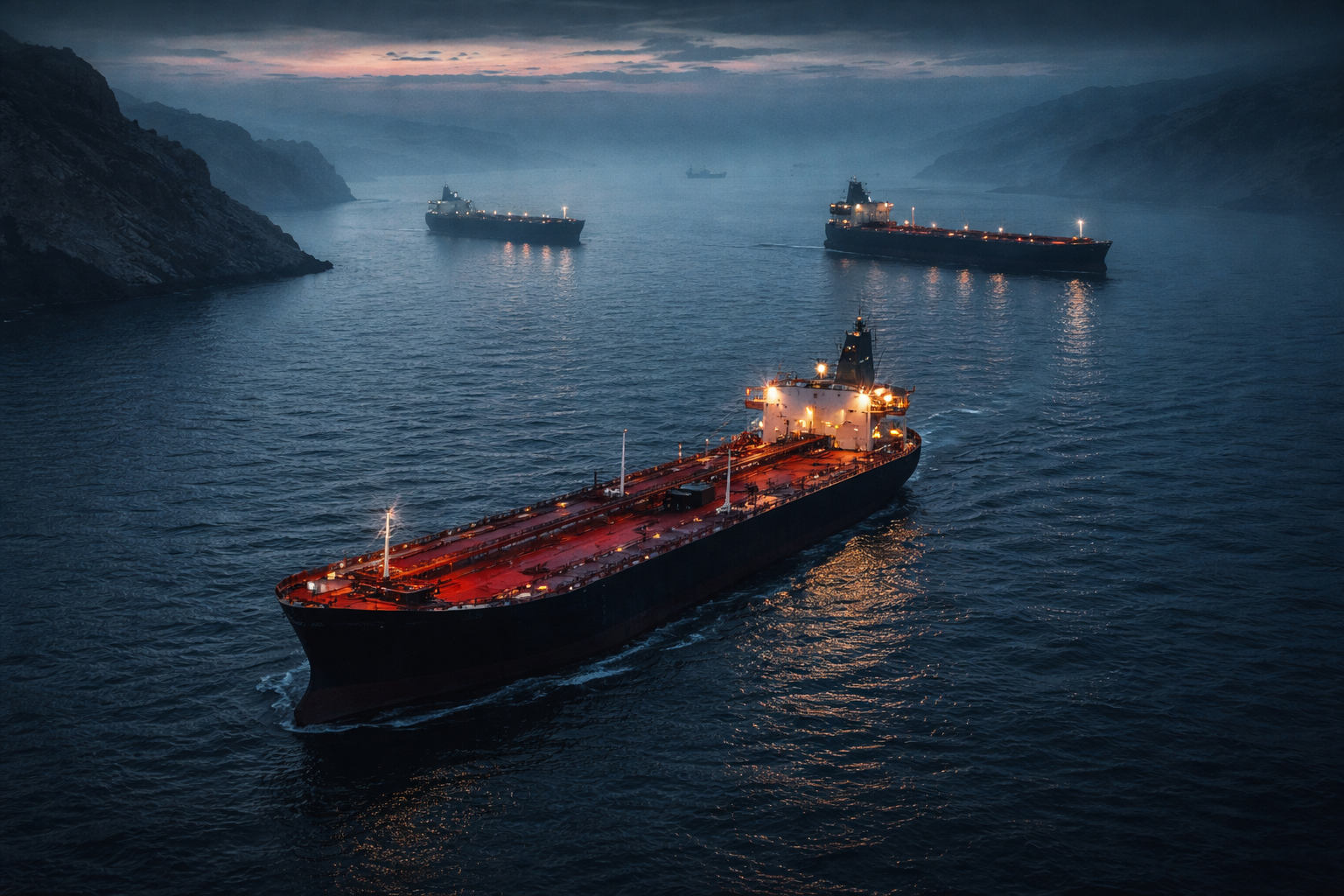
Traders in the UK have warned that commercial diesel stocks could run out entirely by mid-May if the closure of the Strait of Hormuz continues. This warning comes at a sensitive time, as this region is considered one of the most important waterways in the world for transporting oil and gas, raising serious concerns about the stability of supplies and fuel prices in the market.
The geopolitical tensions in the Arabian Gulf, particularly around the Strait of Hormuz, could exacerbate the energy crisis in the UK. The British economy heavily relies on imported energy supplies, and any disruption in these supplies could negatively impact the economy as a whole.
Details of the Situation
Traders have reported that current diesel stocks in the UK are under increasing pressure and could reach critical levels if the situation remains unchanged. The closure of the Strait of Hormuz, through which approximately 20% of global oil supplies pass, could worsen economic crises in many countries, including the UK.
If the closure of the strait continues, the UK will face significant challenges in securing its energy needs, potentially leading to rising fuel prices and increased living costs for citizens. This situation may also impact industrial sectors and transportation, further increasing pressure on the British economy.
Background & Context
Historically, the Strait of Hormuz has witnessed numerous crises and tensions, as it is a vital transit point for oil and gas. In recent years, tensions have escalated between Iran and Western countries, heightening concerns about the safety of navigation in this area. Any closure of the strait could lead to a rise in global oil prices, affecting all oil-importing countries.
In 2019, the region experienced an escalation in tensions following attacks on oil tankers, which raised fears about the safety of supplies. With the current tensions escalating, it appears that the situation may become more complicated, placing the British economy in a precarious position.
Impact & Consequences
If the closure of the Strait of Hormuz continues, the effects will be far-reaching. Fuel prices will see a significant increase, impacting transportation and goods costs, thereby leading to higher inflation. Additionally, this situation could lead to a contraction in economic growth in the UK, as businesses will struggle to secure their energy needs.
Moreover, trade relations between the UK and oil-producing countries may be affected, complicating the economic situation further. The UK is likely to seek to diversify its energy sources, but this requires time and substantial investments.
Regional Significance
The Arabian Gulf region is among the most affected by this situation, as many Arab countries rely on oil exports. Any disruption in oil supplies from this region could significantly impact Arab economies. While rising oil prices may increase revenues in some countries, they could also create economic pressures in others that depend on oil imports.
Ultimately, the situation in the Strait of Hormuz remains under observation, as any new developments could affect global markets as a whole. It is crucial for Arab countries to remain prepared to face any challenges that may arise as a result of this situation.