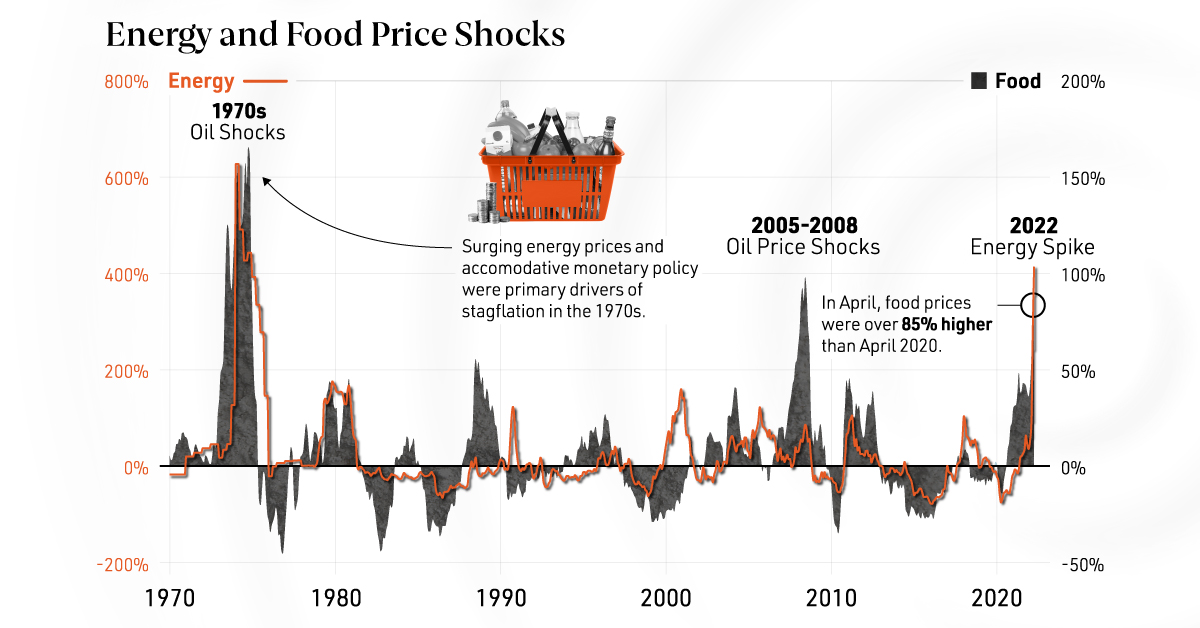
The Indonesian Chamber of Commerce and Industry (KADIN) has stressed the importance of exercising caution when dealing with global energy price fluctuations, which directly affect the costs of raw materials, production, and distribution. Vice President Saran Simanjuntak explained that the current situation requires companies to adopt precautionary measures to tackle these challenges.
Simanjuntak pointed out that the sharp rise in energy prices, such as fuel and gas, has substantial effects on production and transportation costs. Many industries still rely on imported raw materials, making them vulnerable to global price fluctuations.
Details of the Situation
In his remarks, Simanjuntak noted that rising fuel prices directly impact logistics and transportation costs, leading to increased overall expenses for companies. He added that the depreciation of the Indonesian rupiah further burdens businesses that depend on imported raw materials.
He clarified that companies may need to adjust their product prices due to rising production costs, which could negatively affect consumers. However, many business owners are striving to maintain current prices by improving efficiency and reducing profit margins.
Background & Context
Indonesia is considered one of the largest economies in Southeast Asia and heavily relies on raw material exports. However, it faces significant challenges due to global price fluctuations, especially amid geopolitical crises affecting energy markets.
Historically, Indonesia has experienced considerable volatility in energy prices, impacting the stability of the national economy. Previous crises have increased pressure on the government to ensure price stability and provide essential goods to citizens.
Impact & Consequences
The Chamber of Commerce anticipates that the ongoing increase in energy prices will have negative effects on the Indonesian economy. Rising production costs may lead to increased inflation, affecting citizens' purchasing power.
Furthermore, the continuation of these trends may force companies to make difficult decisions regarding product pricing, potentially leading to a decline in market demand. It is crucial for the government to take effective measures to ensure price stability and protect consumers.
Regional Significance
Global energy markets are closely linked to Arab economies, as many Arab countries rely on oil and gas exports. Therefore, any fluctuations in energy prices could impact economic stability in the region.
It is important for Arab nations to monitor these developments, as they can influence their economic strategies and approaches to dealing with global energy markets.